Tag: Hong Kong

Weaponizing Audits

Last month several figures in Hong Kong’s media spoke out about an apparent new tactic being used to curtail the activities of independent media and journalists. Since November 2023, at least six outlets and around twenty journalists have faced tax audits spanning seven years, with demands totaling over HK$1.7 million, or more than 200,000 dollars. The targeted outlets include InMedia (獨立媒體), The Witness (法庭線), ReNews, Boomhead, Hong Kong Peanuts (香港花生), and the Hong Kong Free Press.
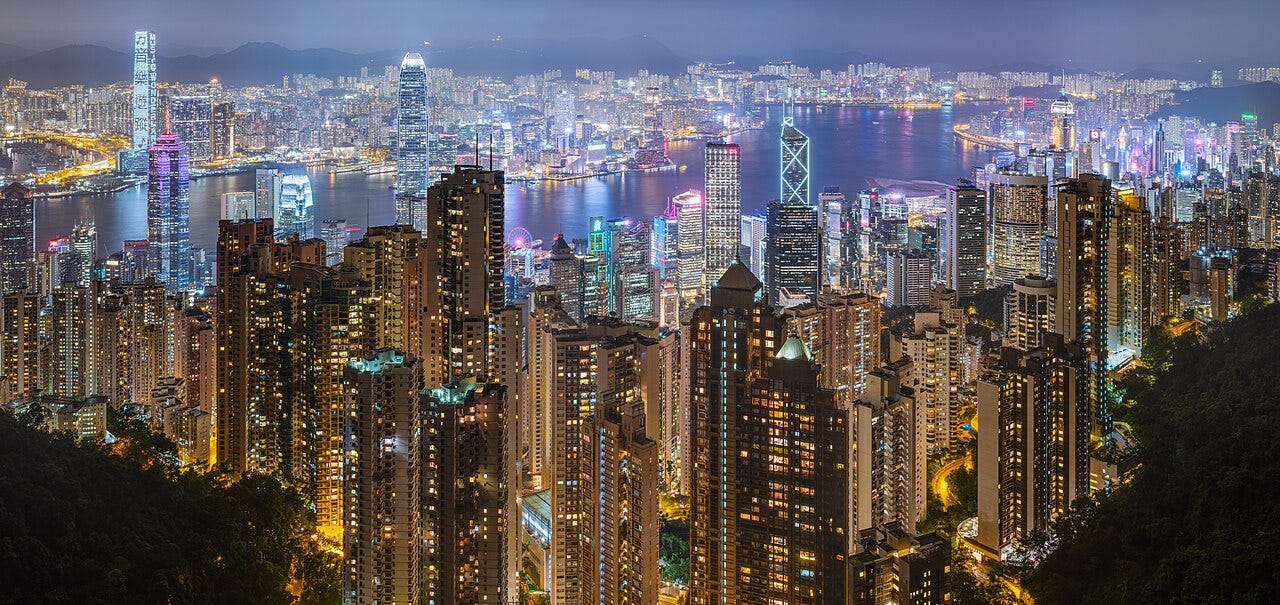
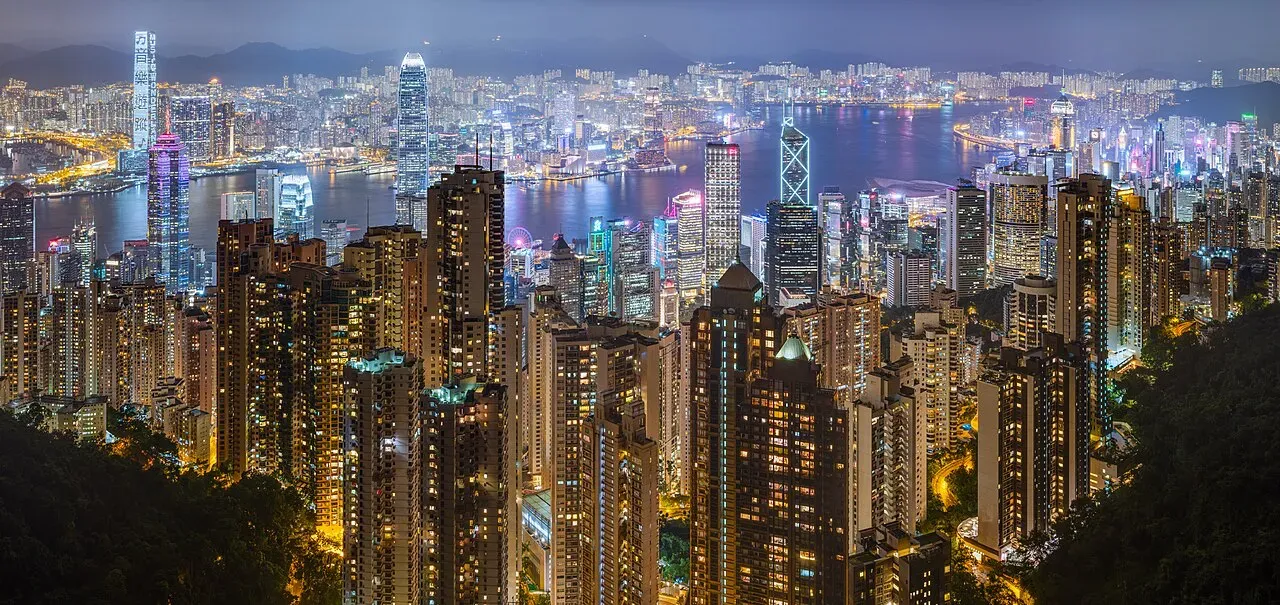
The Hong Kong skyline from Victoria Peak. SOURCE: Wikimedia Commons.

Tax authorities made errors and “strange, unreasonable claims,” including auditing one outlet for a year before it was established and asking a journalist to pay profits tax for a nonexistent company registration number. Inspections also extend to family members, including both parents of journalists’ association chief Selina Cheng (鄭嘉如). Hong Kong Peanuts host To Kwan-hang (陶君行) revealed that virtually all hosts, including Wong Ho-ming (黃浩銘) and Chow Ka-fat (周嘉發), received audit demands.

While the Inland Revenue Department (IRD), the territory’s tax collection authority, maintains that the “industry or background of a taxpayer has no bearing on such reviews,” the unified actions appear to be a form of bureaucratic censorship designed to exhaust the operations of independent media. Similar tactics have been used by authoritarian governments in Russia and Turkey, where punitive tax audits and financial sanctions have sought to control press activities. The approach would mark a new development in Hong Kong’s media landscape.

For many in the Hong Kong indie media space, the IRD’s insistence that they were “randomly selected” for a probe is difficult to swallow. “I can count all of Hong Kong’s non-government aligned digital media outlets on two hands,” Hong Kong Free Press founder Tom Grundy told Lingua Sinica. “Most are under tax audit simultaneously.” Grundy emphasizes that his outlet has insisted throughout its ten-year history on “meticulous record-keeping,” but notes that handling the audit “has diverted resources, manpower and funds away from journalism.”

The IRD audit of the Hong Kong Free Press comes one year after the outlet was selected — “randomly,” it was told — for a rare inspection from the Companies Registry, the city’s official business registration and company records authority. “We’re so lucky, perhaps we should put some numbers on the lottery,” Grundy said.

More Targets for Chris Tang

Hong Kong Security Secretary Chris Tang (鄧炳強) publicly criticized a social media-based publication called Edu Lancet (教育刺針) on March 30, 2025, for spreading rumors and “dividing society” after it raised questions — “sensationalizing,” Tang called it — about the death of a Hong Kong student during a Hangzhou exchange program. Tang also warned against “soft resistance” (軟對抗), a concept authorities in the city have increasingly used to describe acts of peaceful expression that allegedly undermine government authority. The case was covered by a number of outlets, including Points Media (棱角媒體) — a global media collective of former Hong Kong journalists.

This push against peaceful expression was reflected in a report last month by Amnesty International that showed that at least 16 people have been arrested in the past year under Article 23 — known as the Safeguarding National Security Ordinance — for actions such as wearing protest-slogan T-shirts.

At a symposium last month marking the one-year anniversary of the ordinance, officials warned that while “development is an unyielding principle” (发展是硬道理 ), “security is also an unyielding principle” (安全也是硬道理). In a rather stark illustration of China’s dominance of Hong Kong politics, this pairing was a direct copying of a phrase introduced on March 1 by Xi Jinping during a collective study session of the CCP Politburo. The first phrase, about development, echoes a core concept introduced in 1992 by Deng Xiaoping (鄧小平). The latter phrase is apparently Xi’s own recent elaboration, and likely speaks to the CCP’s sense of anxiety about the volatility of the present moment.

A Prize Behind Bars

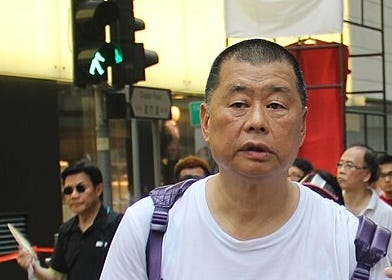
The Bradley Foundation, a private grantmaking organization in the United States, has awarded imprisoned Hong Kong media mogul Jimmy Lai (黎智英) an honorary Bradley Prize for his defense of freedom, the exile outlet Photon Media (光傳媒) reported last week. Currently in his 1,570th day of detention, Lai faces potential life imprisonment on politically motivated charges. “Even from his small prison cell, my father stands firm against one of the world’s most powerful authoritarian regimes,” Sebastien Lai (黎崇恩) was quoted by the outlet as saying. “Thank you for reminding everyone this fight isn’t over yet.” The award ceremony will be held May 29 in Washington.

Jimmy Lai picture in 2013. SOURCE: Wikimedia Commons.