New KMT Chairperson Cheng Li-wun’s (鄭麗文) claim in an October 31 Deutsche Welle interview that Russian President Vladimir Putin “is not a dictator” because he was elected has sparked controversy in Taiwan in recent days. But another source of controversy has been the confrontational approach of DW interviewer Tsou Tzung-han (鄒宗翰). Lee Chih-te (李志德), a seasoned Taiwan journalist, compared Tsou unfavorably to former Al Jazeera host Mehdi Hasan, known for his cool yet “pointed questions,” and suggested Tsou lacked the preparation and strategic questioning that makes for effective interviewing.
News&Market (上下游新聞), a niche Taiwan media outlet focusing on agriculture and environmental issues since 2011,found itself embroiled in controversy over social media framing after posts on Facebook promoting its relatively balanced coverage of Taiwan’s first African swine fever outbreak in seven years triggered allegations of bias in favor of the opposition Kuomintang (KMT) party — and escalated into questions about its financial backing.
The controversy began when News&Market’s social media posts framed its outbreak coverage in ways critics saw as deflecting blame from KMT officials currently leading the local government in Taichung, where the outbreak was confirmed on October 21. One Facebook post asked: “Is Taichung really the outbreak’s source? The answer isn’t that simple.” While the underlying reporting examined systemic failures across both local and national governments — ranging from inadequate enforcement of food waste sterilization to gaps in veterinary care — the social media packaging triggered allegations of bias as it seemed to give Taichung officials a pass and lay blame instead on the national government, currently run by the Democratic Progressive Party (DPP). As skepticism grew online, users questioning the perceived slant began probing the outlet’s funding sources. In Taiwan’s divisive political environment, KMT alignment can often be perceived by “pan-green” DPP supporters as simply pro-China.
The outlet denied allegations of Chinese funding on October 30, saying its operations are supported by “small donations and market product sales.” Risking further speculation, however, it has so far not provided financial data or verifiable documentation of these revenue sources.
The case is a sobering illustration of how intentionally viral social media posts about the news — regardless of its actual reporting quality — can lead to an outbreak of questions about credibility, especially against a backdrop of political divisiveness.
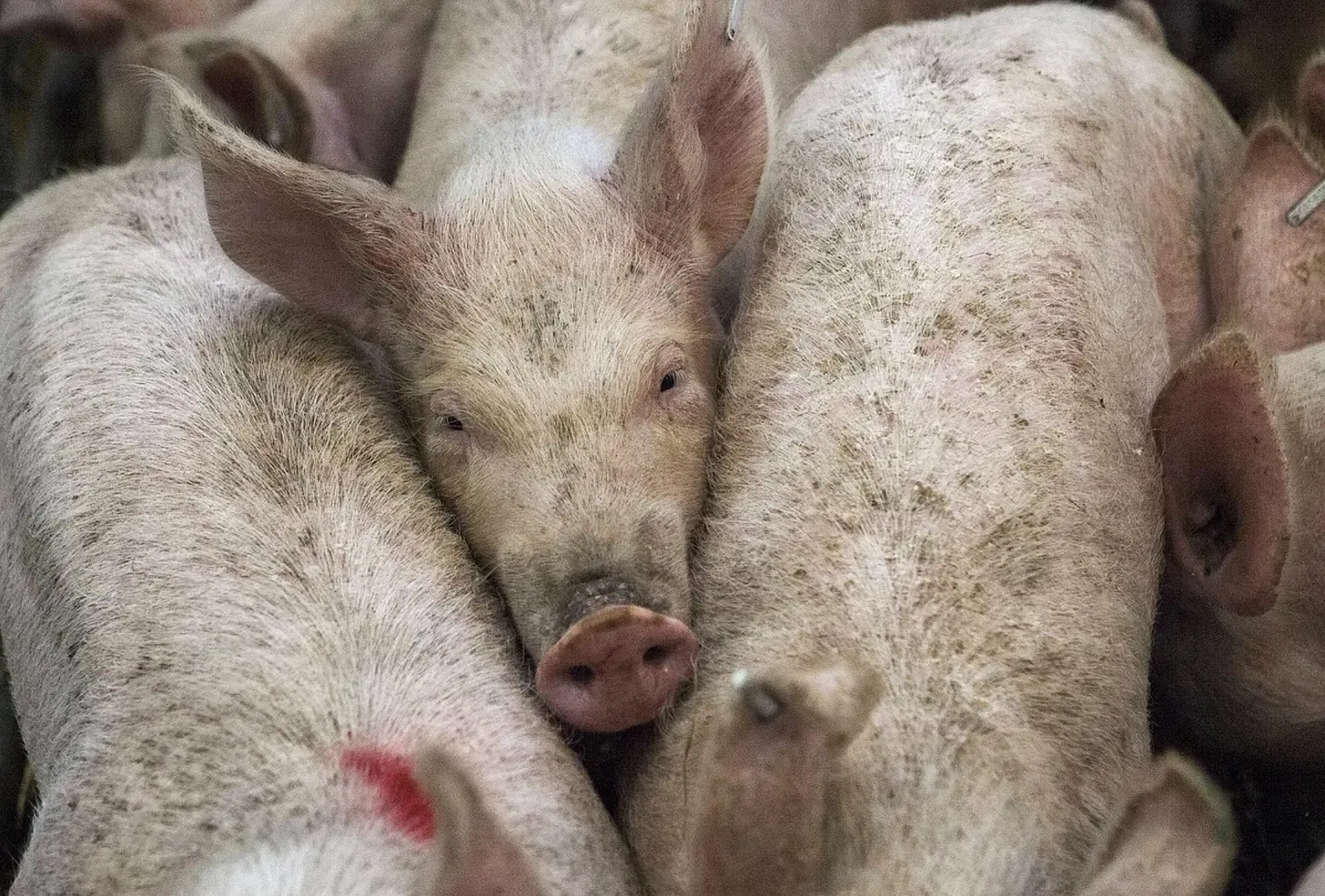
Taiwan’s first African swine fever outbreak in seven years in late October sparked controversy over coverage by News&Market, a niche outlet focusing on agriculture. For illustrative purposes only. SOURCE: Pixabay.
A Japanese scholar accused the China Times (中國時報) of fabricating his analysis of the results of the leadership election for Taiwan’s opposition Kuomintang (KMT) party. Yoshiyuki Ogasawara (小笠原欣幸), a political scientist and honorary chair professor at National Tsing Hua University who specializes in Taiwan politics, posted his analysis on Facebook on October 22 after Cheng Li-wen (鄭麗文) won the KMT chairmanship with just over 50 percent of the vote. Multiple media outlets in Taiwan reported Ogasawara’s commentary, but the scholar singled out the China Times for distorting his remarks.
Ogasawara publicly detailed the discrepancies on October 23, noting that the China Times had transformed his characterization of Cheng’s clearly pro-China line (明確的親中路線) into language instead emphasizing “historical-cultural continuity” (歷史文化的延續). He alleged that the newspaper had fabricated entire quotes that he never wrote, including claims about the party “rebuilding confidence” (重建自信). Ogasawara demanded that the matter be addressed as a matter of professionalism. “If the China Times still has media self-respect,” he said, “please make corrections.” The China Times subsequently deleted the article, but to date has not issued a correction.
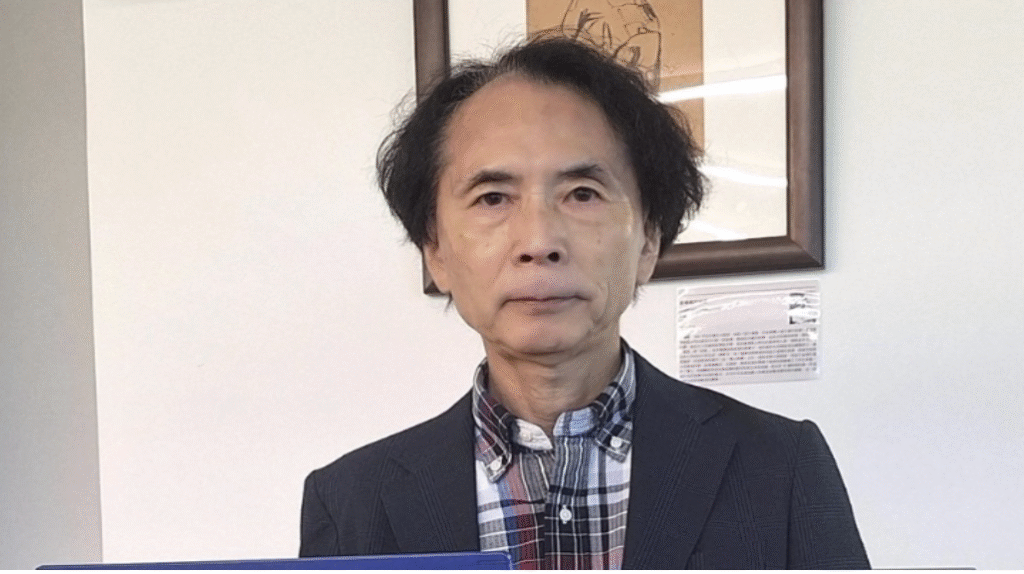
Japanese political scientist Yoshiyuki Ogasawara. SOURCE: UpMedia.