The overflow of a barrier lake in Hualien County on Taiwan’s central east coast amid heavy rain last month left at least 18 dead and six missing. In the wake of the disaster, cable news outlets TVBS and EBC edited the remarks of some local residents to make it seem they were attacking Taiwan’s vice president, Hsiao Bi-khim (蕭美琴). This prompted affected families to issue online statements expressing frustration over the misleading coverage. “We are a simple family impacted by the disaster,“ read a statement on Threads from the daughter of one woman appearing in the reports. “We have not taken any political position, and even more do not wish to be exploited as tools for political manipulation.”
Late last month, Taiwan’sMirror Daily (鏡報) revealed that Huang Kuo-chang (黃國昌), the chairman of the Taiwan People’s Party (TPP) — the country’s third-largest party in the Legislative Yuan — had since 2021 organized a paparazzi network to follow political figures, including ruling-party politicians, in search of dirt. At the center of the scandal was journalist Hsieh Hsing-en (謝幸恩), who allegedly served as a ghostwriter and paparazzi recruiter for Huang — first while holding a business card from the online outlet RWnews (菱傳媒), and later while employed full-time by the state-run CNA (中央社). Hsieh published stories favorable to Huang on the financial news site Taiwan People News (民報) under the pen name Hsiao Yiyi (蕭依依).
Following the revelations, and before CNA’s internal investigation had concluded, Hsieh announced her resignation in a letter whose expressed Fourth Estate ideals starkly contrasted with the conduct described in news reports. “I deeply believe that the media’s pen should be fearless of power and unafraid of storms, serving as an important force in democratic society to supervise authority,” Hsieh wrote.
CNA’s president responded to the scandal by saying the agency had received complaints two years earlier but lacked sufficient evidence to act. The agency has filed breach of trust charges against Hsieh, stating that her actions have “seriously damaged” its reputation. RWnews, which had provided Hsieh with business cards — something often necessary to access reporting events in Taiwan — announced its shutdown immediately after its president admitted collaborating with Huang. This was apparently a decision by Taiwan Steel Group, which purchased the outlet two years ago.
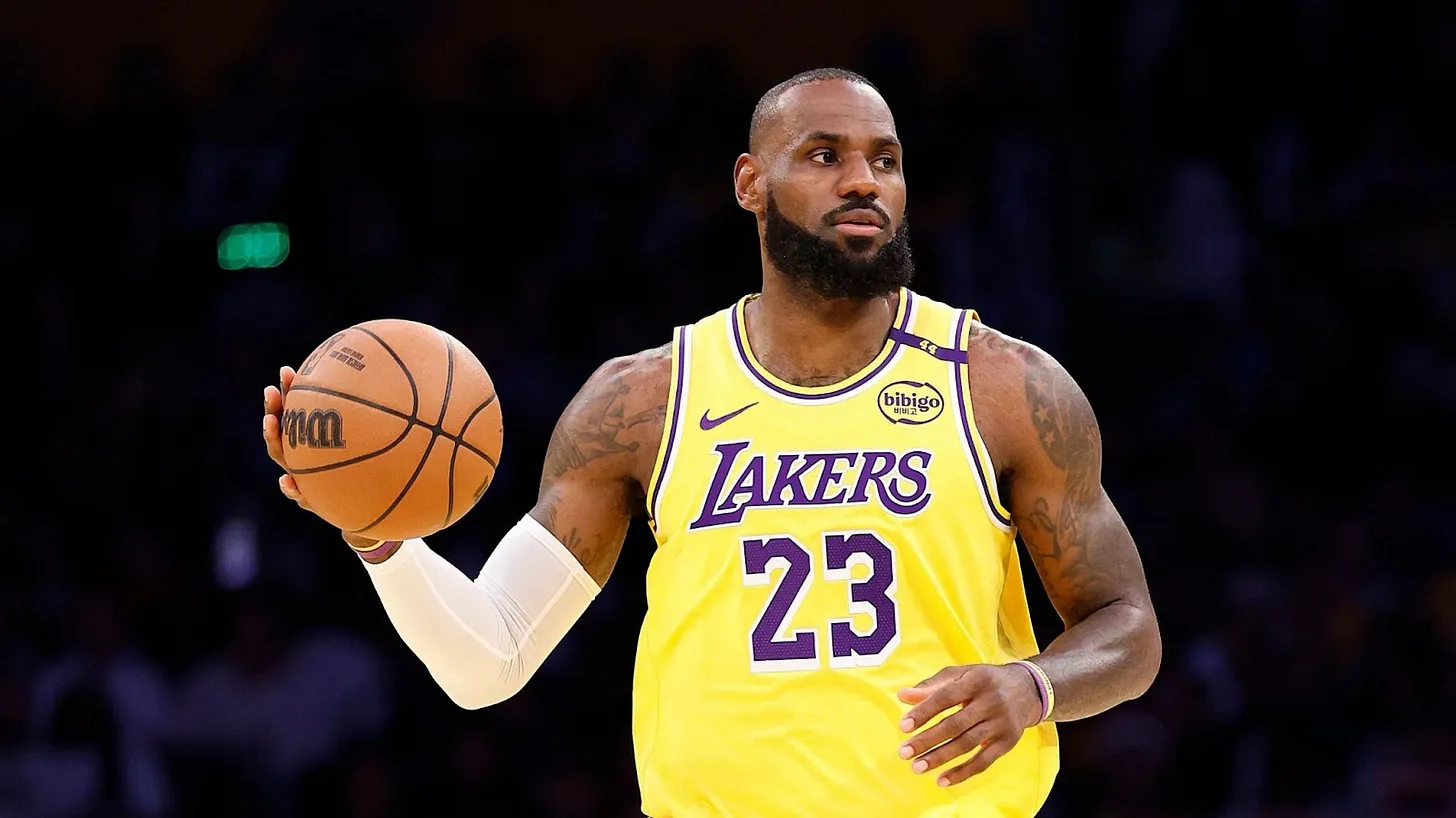
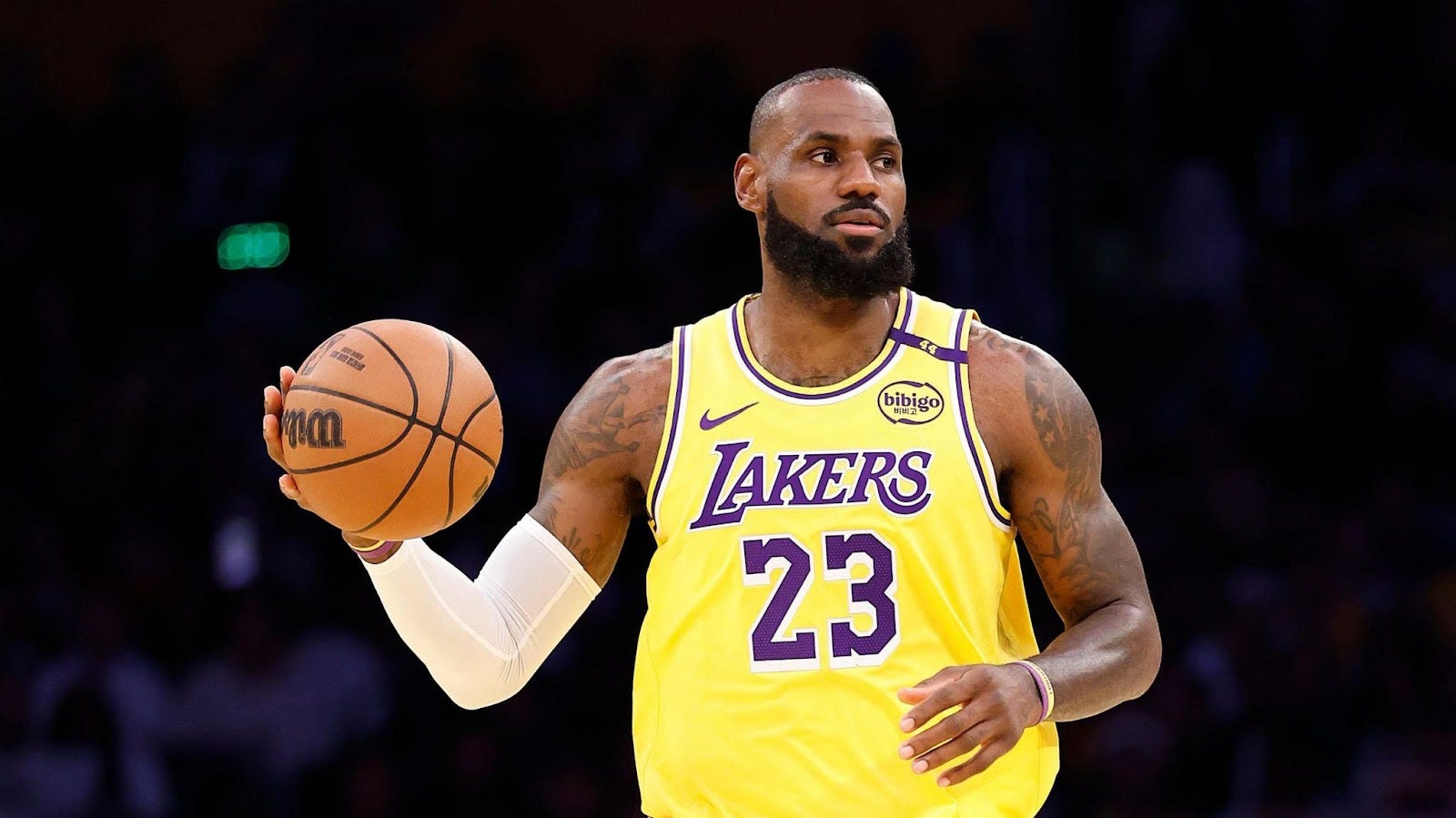
“Basketball is a bridge that connects us.” That was the headline of a commentary published in the Chinese Communist Party’s People’s Daily newspaper earlier this month, with a soaring byline from none other than LeBron James, the LA Lakers star who is the NBA’s all-time leading scorer. “I’ve been deeply moved by the enthusiasm and friendliness of my Chinese friends,” the commentary began, with a typical CCP frame of people-to-people friendship. “What I can do in return is give my all in every game as a way to show my gratitude to everyone.” For a generally insipid Party-run mouthpiece, such a celebrity endorsement was too good to be true — and of course it was. Representatives for LeBron James quickly disavowed the story. The star, they said, had only ever conducted interviews with Chinese media.
What does this tell us? The flagship newspaper of the CCP feels it is perfectly acceptable to fake a commentary by one of the world’s most recognizable public figures if it suits the agenda, in this case talking up “friendship” and people-to-people exchange.
It should not surprise readers that this is not an isolated case. In 2016, after a commentary with a byline from a journalism professor in the New York state university system appeared in the paper decrying the falsehood of Western freedom of speech, CMP reached out to the professor in question. In an e-mail exchange, the shocked professor said she had only spoken on the phone with a People’s Daily reporter and raised issues of journalism ethics more generally. Sound familiar?
At the People’s Daily, politics always trump professionalism. In order to have his official press card re-issued back in January, the staff member behind the LeBron James commentary, sports reporter Wang Liang (王亮) would almost certainly have taken refresher courses on the Marxist View of Journalism and fealty to the Party. The most basic ethics and good practice? Not so important. The People’s Daily has issued no public correction on the LeBron James commentary. Don’t bother waiting for the buzzer.
The 2023 Chinese television drama “Blossoms” (繁花), directed by Hong Kong film legend Wong Kar-wai (王家卫), won plaudits for its sole credited screenwriter, Qin Wen (秦雯). But the series faced its own drama last week as anonymous writer “Gu Er” (古二) alleged they were denied acknowledgement for their involvement and faced workplace bullying. Gu Er released recordings on WeChat claiming to have written significant script portions while receiving only 3,000 yuan monthly and no screenwriting credit. The production team issued a September 20 Weibo statement supporting “creators’ legal rights” without addressing any concrete allegations. Singapore’s Lianhe Zaobao reported that Qin Wen has engaged lawyers and called the allegations false and defamatory.
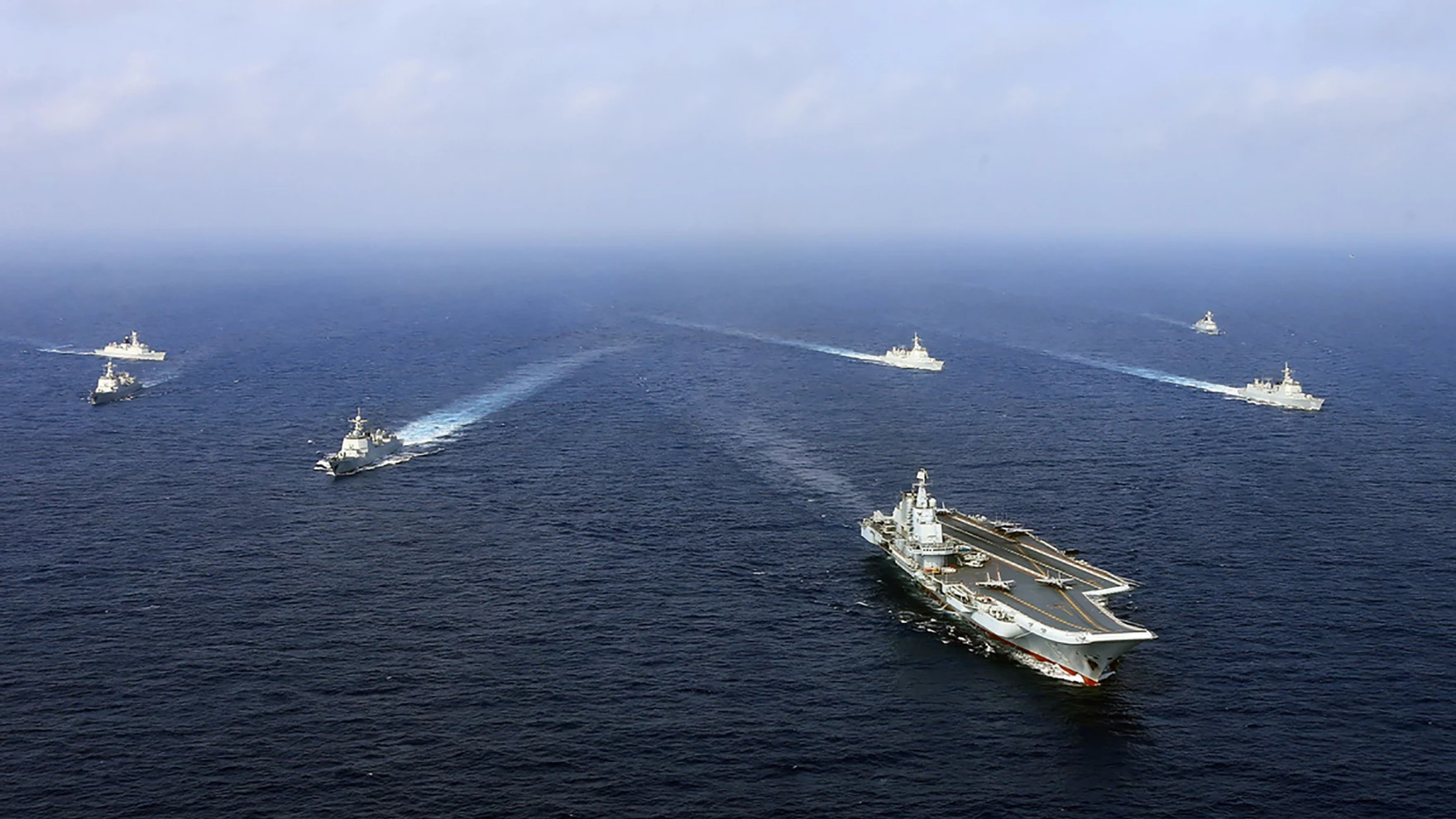
German broadcaster Deutsche Welle (德國之聲) found itself in the middle of a hot mess after it was discovered to have used interview clips from the PRC’s state-run China Global Television Network (CGTN), the international arm of China Central Television (央視), with no attribution whatsoever. Posted on April 10, the segment featured three Taipei residents expressing pro-unification views. The footage originally appeared on CGTN days before China’s recent aggressive military exercises in the Taiwan Strait. The Chinese-language Facebook page Translation Matters (翻譯有要緊) first exposed the issue, prompting Taiwan’s Ministry of Foreign Affairs to lodge a formal protest. DW later acknowledged the error, removing the contested footage. “This content was not produced by the Taipei team,” it said in its apology.