Tag: social media

Attention Hogs

News&Market (上下游新聞), a niche Taiwan media outlet focusing on agriculture and environmental issues since 2011, found itself embroiled in controversy over social media framing after posts on Facebook promoting its relatively balanced coverage of Taiwan’s first African swine fever outbreak in seven years triggered allegations of bias in favor of the opposition Kuomintang (KMT) party — and escalated into questions about its financial backing.

The controversy began when News&Market’s social media posts framed its outbreak coverage in ways critics saw as deflecting blame from KMT officials currently leading the local government in Taichung, where the outbreak was confirmed on October 21. One Facebook post asked: “Is Taichung really the outbreak’s source? The answer isn’t that simple.” While the underlying reporting examined systemic failures across both local and national governments — ranging from inadequate enforcement of food waste sterilization to gaps in veterinary care — the social media packaging triggered allegations of bias as it seemed to give Taichung officials a pass and lay blame instead on the national government, currently run by the Democratic Progressive Party (DPP). As skepticism grew online, users questioning the perceived slant began probing the outlet’s funding sources. In Taiwan’s divisive political environment, KMT alignment can often be perceived by “pan-green” DPP supporters as simply pro-China.

The outlet denied allegations of Chinese funding on October 30, saying its operations are supported by “small donations and market product sales.” Risking further speculation, however, it has so far not provided financial data or verifiable documentation of these revenue sources.

The case is a sobering illustration of how intentionally viral social media posts about the news — regardless of its actual reporting quality — can lead to an outbreak of questions about credibility, especially against a backdrop of political divisiveness.
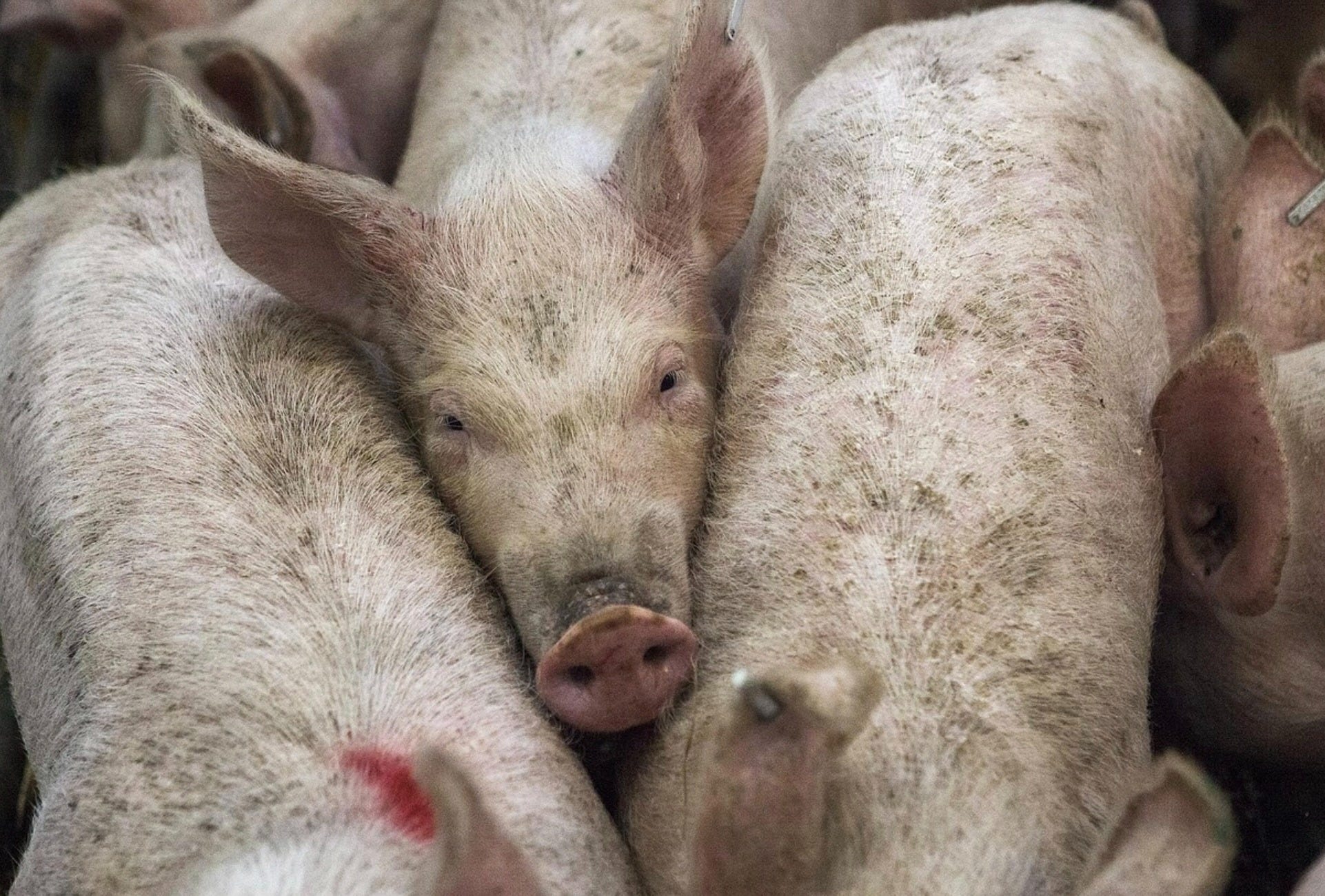
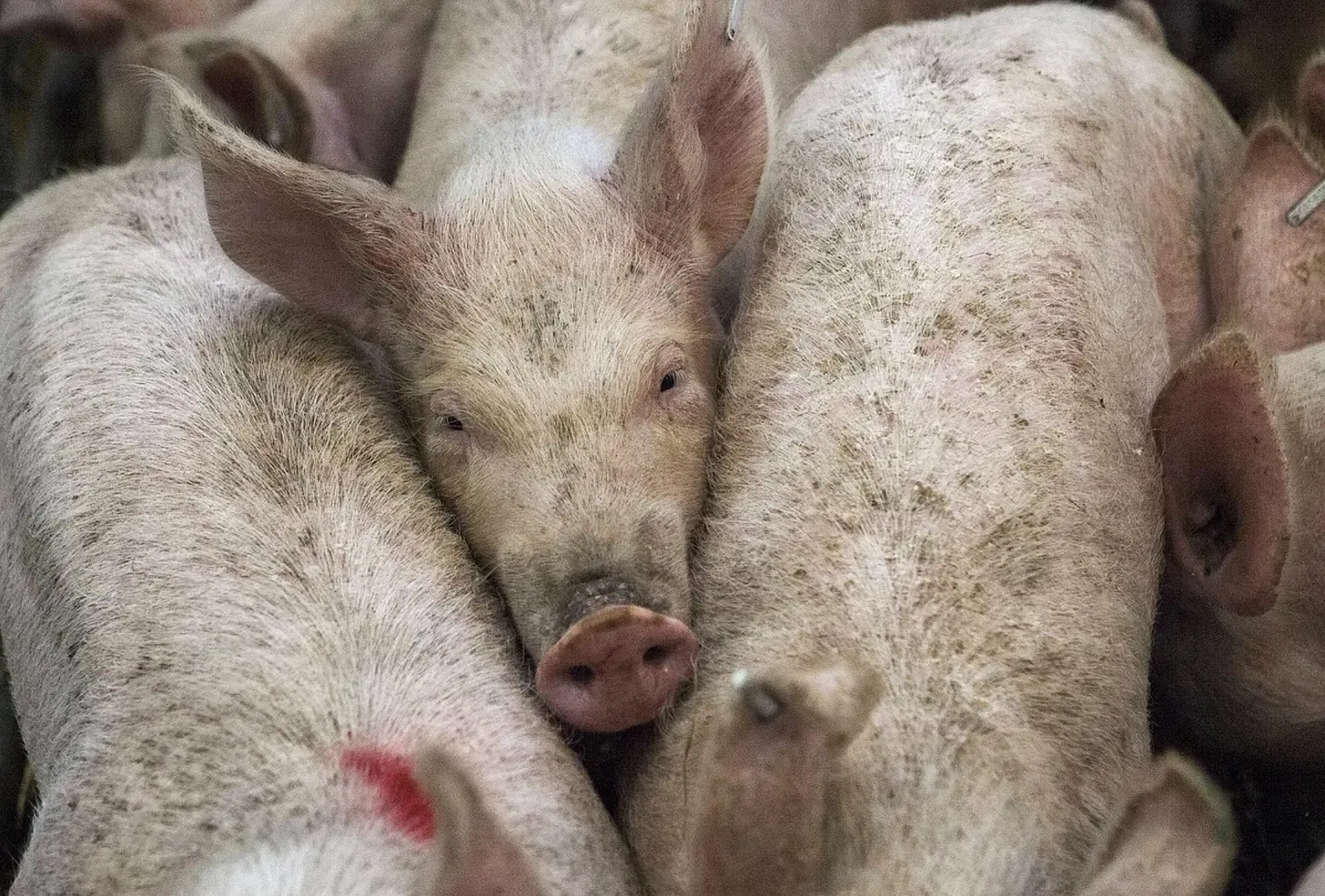
Taiwan’s first African swine fever outbreak in seven years in late October sparked controversy over coverage by News&Market, a niche outlet focusing on agriculture. For illustrative purposes only. SOURCE: Pixabay.

Manufacturing Dissent

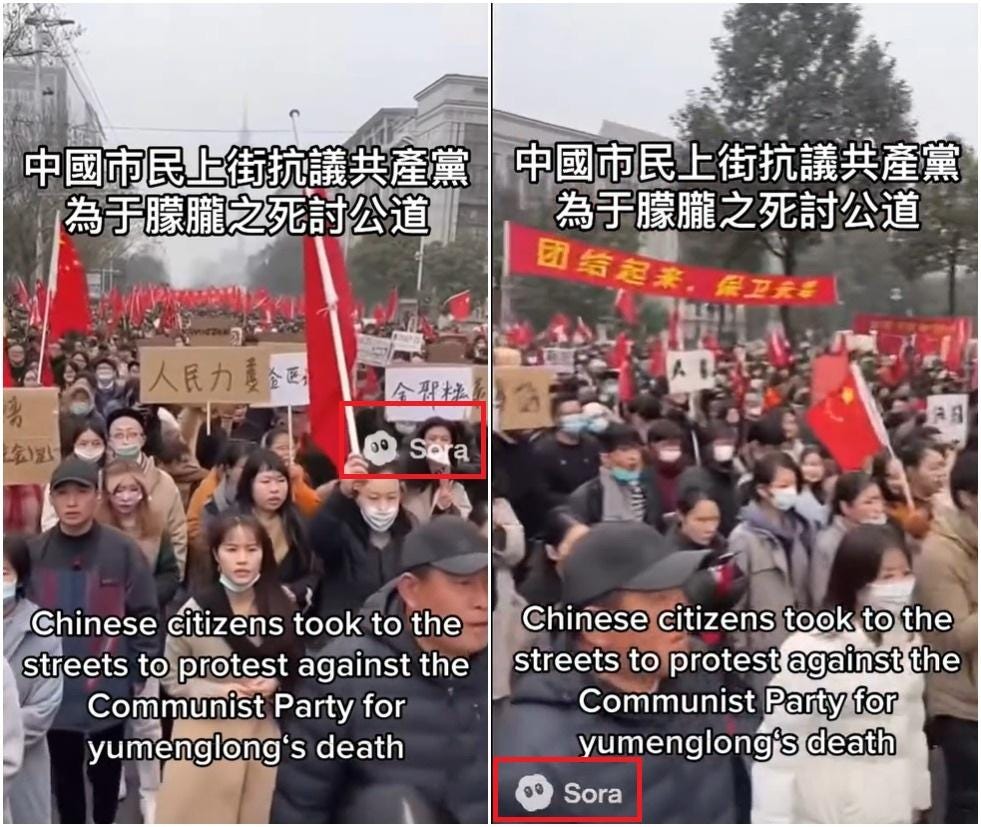
TikTok, often criticized in Western capitals as a vector for Chinese disinformation, has become a platform for distributing fake news about protests within China itself. Following the suspicious death of actor Yu Menglong (于朦朧) and what appeared to be a government cover-up in September, AI-generated videos falsely depicting mass anti-government rallies circulated widely on the platform, according to AFP’s fact-checking service. The terrifyingly realistic clips — betrayed at points only by slightly distorted faces and nonsensical Chinese characters — bore the watermark for Sora, the visual generation software from OpenAI. They originated from an account called “Team Taiwan Value” and garnered hundreds of thousands of views and comments.

Many users believed the fabricated protests were genuine, with commenters expressing solidarity. No evidence exists of actual large-scale rallies in China over Yu’s death, which Beijing police attributed to an accidental fall, prompting widespread questioning from fans, and related reports in Chinese-language outlets globally. The videos, including this one and this one, were taken down Tuesday afternoon.

SOURCE: AFP Factcheck.

Who Knows Taiwan?

Taiwanese YouTuber Chung Ming-hsuan (鍾明軒) sparked controversy in late March 2025 after suggesting on a podcast that “nobody knows Taiwan” abroad and that he therefore must resort to explaining himself through “Chinese culture” (中華文化) to allow foreigners to relate. Given the social, political — and often highly personal — debates in Taiwan about identity vis-à-vis a China that aggressively asserts its sovereignty over the island, Chung’s comments naturally reverberated. Fellow content creator Ray Du (阿滴) countered on Threads that 80 percent of foreigners he met when traveling overseas recognized Taiwan and understood when he identified himself as Taiwanese. This led to accusations that Du was “bullying” Chung, who claimed his words were taken out of context. With the usual appetite for drama, Taiwanese media waded in, unpacking the raucous back and forth.

Ceylon (錫蘭), a Belgian-Chinese YouTuber popular in Taiwan, initially criticized Du but later apologized after speaking with him directly about the misunderstanding. Those who can stomach rapid-fire influencer commentary can try out the related video below from another YouTuber, History Bro (歷史哥).