Tag: Taiwan-China Relations

Airwave Infiltration

Chinese propaganda broadcasts from Fujian People’s Broadcasting Station (福建人民廣播電台) — a station under the state-run Fujian Radio Film and TV Group — have infiltrated Taiwan’s airwaves with unprecedented clarity, according to recent reports in the Liberty Times (自由時報). PRC programming has managed to reach even remote mountain areas, including the 2,000-meter-high Daxueshan Forest Recreation Area (大雪山森林遊樂區). The FM 96.7 frequency, normally reserved for Taiwan’s Uni Radio (環宇廣播), which reaches audiences in the Taoyuan, Hsinchu and Miaoli areas, now carries Beijing-directed content throughout the eastern districts of Taichung, the country’s second-largest city.

Due to distance, it’s generally difficult to receive a clear signal from Uni Radio in the Taichung area, and frequencies without broadcasts from a major station can be considered open channels that smaller local stations can occupy to air their programming. Lawmakers in Taiwan have demanded a swift investigation into possible domestic collaboration with actors from China, as well as enhanced countermeasures against what officials describe as an escalating cognitive warfare campaign targeting Taiwan’s airwaves.

More information on China’s infiltration of Taiwan radio frequencies can be found in this April 2023 report from the Mainland Affairs Council (MAC).

Xi’an Redux

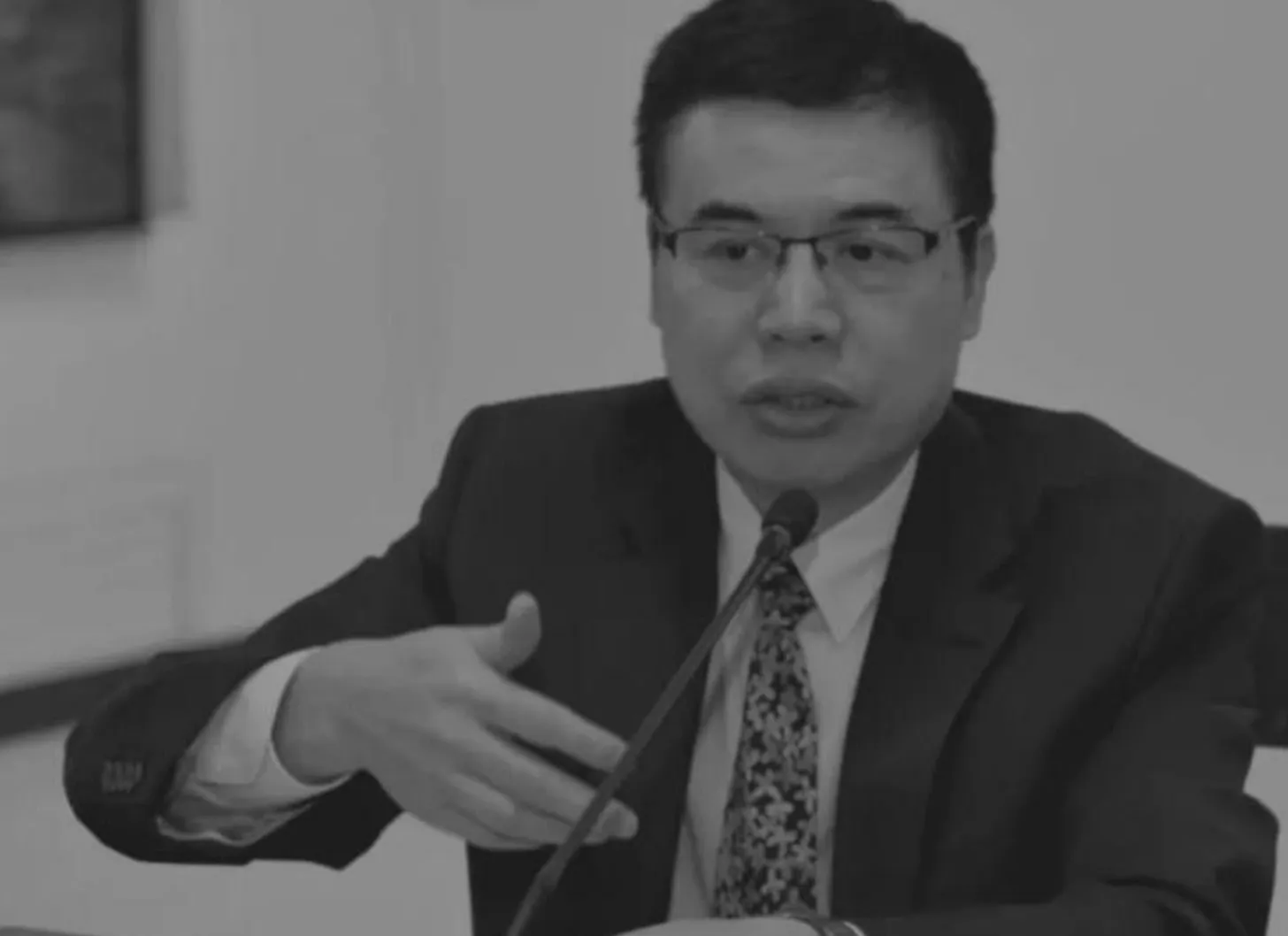
Victor Gao (高志凱), a controversial Chinese commentator and vice president of the Center for China and Globalization (CCG) think tank, suggested in a July 4 interview with Shanghai’s Guancha (觀察者網) that Taiwan stage a “second Xi’an Incident” — a reference to the 1936 kidnapping of Nationalist leader Chiang Kai-shek by his own generals with the demand he united with communist forces against the invading Japanese. Gao’s contemporary replay would involve kidnapping Taiwanese President Lai Ching-te (賴清德) in order to expedite “reunification.” Specifically, describing what was clearly a coup scenario, Gao suggested in the interview that someone could “suddenly control Lai” (把賴清德控制住) before inviting Chinese security personnel to land in Taiwan. The remarks quickly drew attention from media in Taiwan, where scholars dismissed them as “indulging in fantasy” (異想天開). They warned, however, that Taiwan must remain alert to potential fifth column activities.

Media Malfeasance

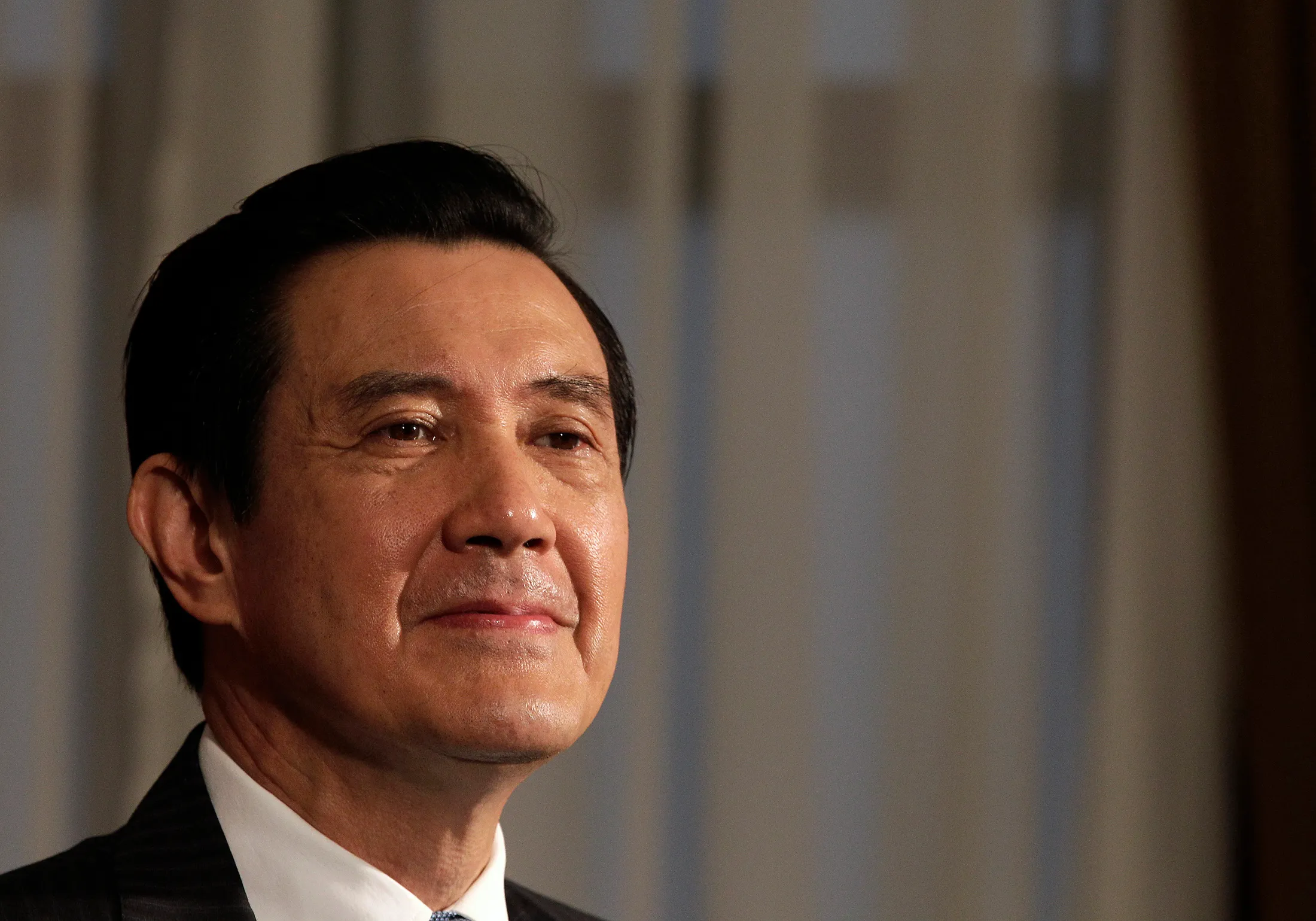
Taiwan’s Mainland Affairs Council (陸委會) severely condemned the China Times (中國時報) newspaper on June 18 for falsely reporting that former president Ma Ying-jeou (馬英九) had reported his China itinerary to the MAC before attending the Cross-Strait Forum in Xiamen on June 15, and that the council had leaked information to specific media outlets. Ma, the MAC said, is no longer required to report travel plans to mainland China, and had not submitted any meeting details for his recent trip. The reporting of false information by the China Times, the council said, was particularly egregious following corrections made publicly two days before the outlet’s report. The incident highlights ongoing tensions between government agencies in Taiwan and pro-Beijing media outlets.

A One-Sided Tribute

Kwok Wai Fung (郭偉峰), or “Guo Weifeng,” president of Hong Kong’s China Review News Agency (CRNTT) — which long advertised itself as “the first digital network news agency in the greater China region” — died May 29 in Hong Kong at age 68. Kwok’s passing prompted condolences from China’s Taiwan Affairs Office (TAO), which took the opportunity to promote the journalist as an exemplary advocate of closer engagement between China and Taiwan. Kwok was among the first mainland journalists to visit Taiwan for reporting in 1991, arriving at Taoyuan Airport on August 12 with Xinhua reporter Fan Liying (範麗青) after 42 years of cross-strait separation.

The TAO praised Kwok’s work establishing China Review (中國評論) magazine in Hong Kong in 1998. During the recent Cross-Strait Media Summit in Beijing, an official event led by the government-run Xinhua News Agency and China Daily, CRNTT promoted new media as a platform for youth dialogue across the strait, with Chang Jung-kung (張榮恭), a member of the Central Advisory Committee of Taiwan’s opposition Kuomintang (KMT) party and an advisor to Meihua Media Group (梅花媒體集團), advocating for such digital exchanges — which have been seen in Taiwan as divisive and potentially harmful. (Stay tuned to Lingua Sinica for more on the Meihua Media Group).

In praising Kwok, the TAO was in fact praising one of its own. According to company registration files in Hong Kong, China Review News Agency Limited remained 50 percent held by Kwok at its latest annual filing in February this year. The remaining shares were held by Wang Ping (王平), the deputy director of CRNTT. Despite this apparent private status, however, CRNTT has direct links to the Chinese government. The agency was founded in 1997 under the direction of Wang Daohan (汪道涵), a former Shanghai mayor who at that time was president of the Association for Relations Across the Taiwan Straits (ARATS) — an ostensible social organization directly under the management of the Taiwan Affairs Office.