Tag: Taiwan

Who Knows Taiwan?

Taiwanese YouTuber Chung Ming-hsuan (鍾明軒) sparked controversy in late March 2025 after suggesting on a podcast that “nobody knows Taiwan” abroad and that he therefore must resort to explaining himself through “Chinese culture” (中華文化) to allow foreigners to relate. Given the social, political — and often highly personal — debates in Taiwan about identity vis-à-vis a China that aggressively asserts its sovereignty over the island, Chung’s comments naturally reverberated. Fellow content creator Ray Du (阿滴) countered on Threads that 80 percent of foreigners he met when traveling overseas recognized Taiwan and understood when he identified himself as Taiwanese. This led to accusations that Du was “bullying” Chung, who claimed his words were taken out of context. With the usual appetite for drama, Taiwanese media waded in, unpacking the raucous back and forth.

Ceylon (錫蘭), a Belgian-Chinese YouTuber popular in Taiwan, initially criticized Du but later apologized after speaking with him directly about the misunderstanding. Those who can stomach rapid-fire influencer commentary can try out the related video below from another YouTuber, History Bro (歷史哥).
Convenience in the Conflict Zone

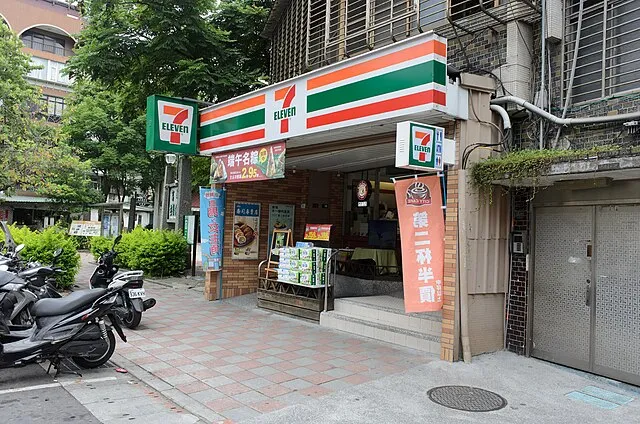
Taiwan’s extensive network of 13,000 convenience stores has emerged as a surprising element in the country’s emergency planning against Chinese aggression, following reporting in The Guardian that revealed plans from a cabinet-level committee to transform these ubiquitous retail outlets into wartime community hubs. “We must prepare for the worst scenario,” one defense official told the British newspaper. Block Tempo (動區動趨), an online blockchain-based outlet, details how these ubiquitous retailers could distribute emergency rations and medical supplies, and provide Wi-Fi hotspots during a conflict. The pro-China leaning China Times (中國時報) reports that the stores would serve as community support centers where citizens could receive rationed supplies when transportation systems are compromised through the retailers’ own logistics networks. Taiwan’s Central News Agency (中央通訊社) notes that this idea is among numerous scenarios being considered by President Lai Ching-te’s 27-member team, which comprises senior cabinet members, national security ministers, NGO representatives, and figures from the business and religious communities.

Any trouble? Head here. SOURCE: Wikimedia Commons.

Scandalous Salute

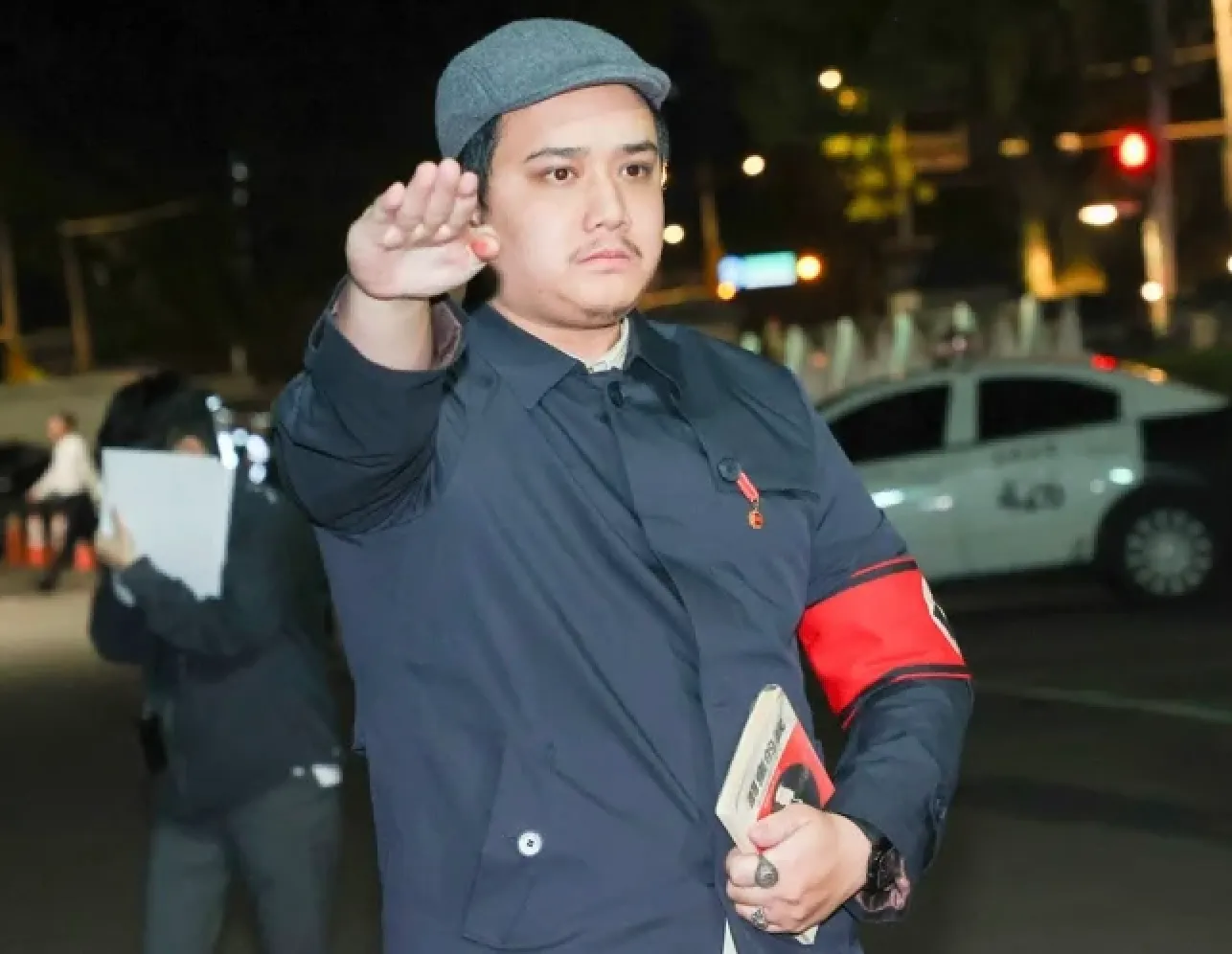
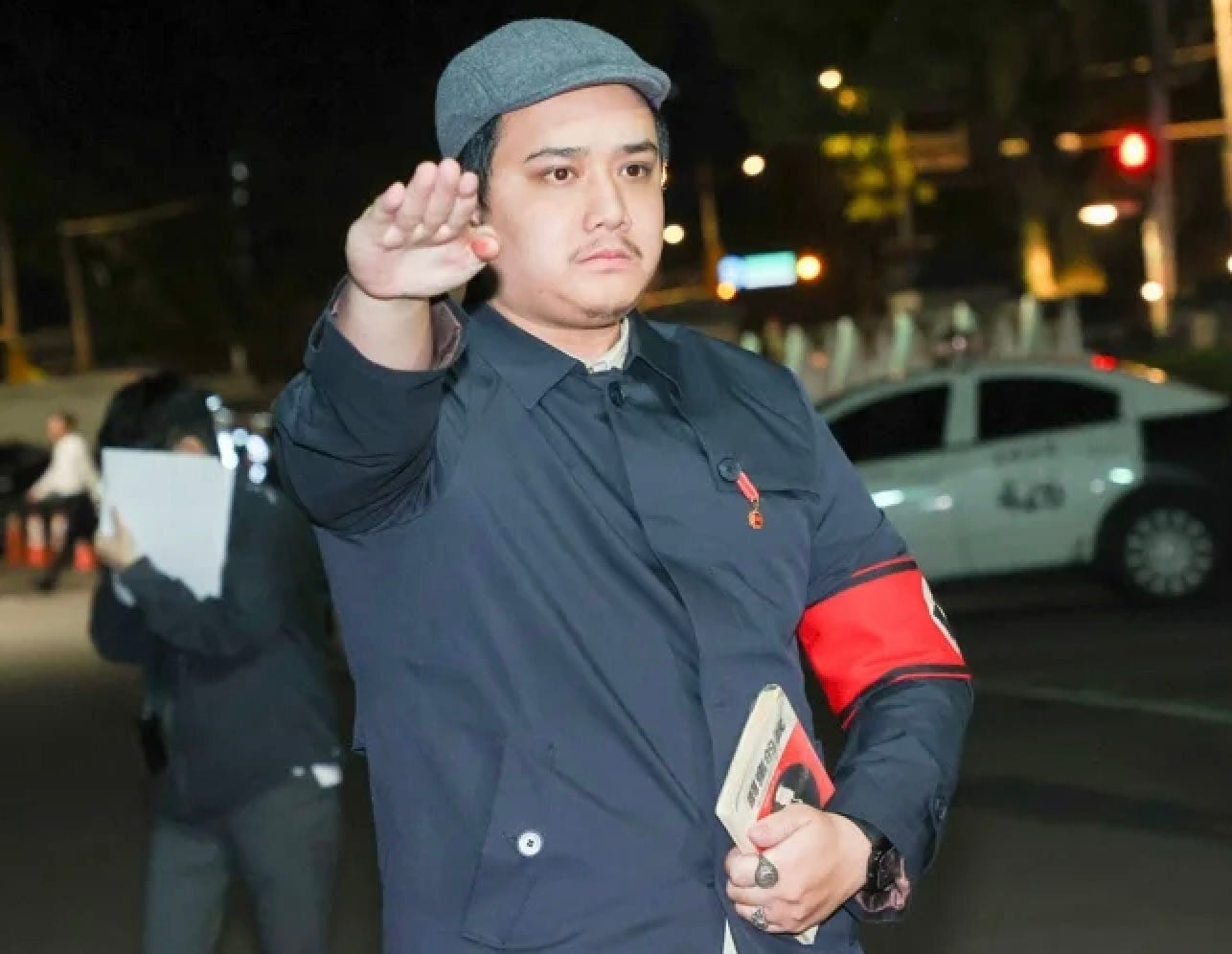
Leading a recall effort against Democratic Progressive Party (民進黨) lawmaker Lee Kun-cheng (李坤城) on Tuesday, Taiwan politician Sung Chien-liang (宋建樑) sparked outrage by donning a Nazi armband to attend court, the United Daily News (UDN) and other outlets reported. The German Institute Taipei (德國在台協會), Germany’s representative office in Taiwan, condemned Song’s “shameless” (無恥) and “deliberate” display of Nazi symbols, calling it a severe affront, according to Taiwan’s state-owned Central News Agency (CNA). Song, reportedly affiliated with the opposition Kuomintang party (國民黨), also performed the Nazi salute while carrying a copy of Hitler’s Mein Kampf. Lee criticized the Kuomintang leadership for distancing itself, calling the incident a “serious international scandal” that could damage Taiwan’s relations with Israel, Germany and European nations.

Taiwan politician Sung Chien-liang arrives for court with a Nazi armband and a copy of Mein Kampf.


Tariff Watch

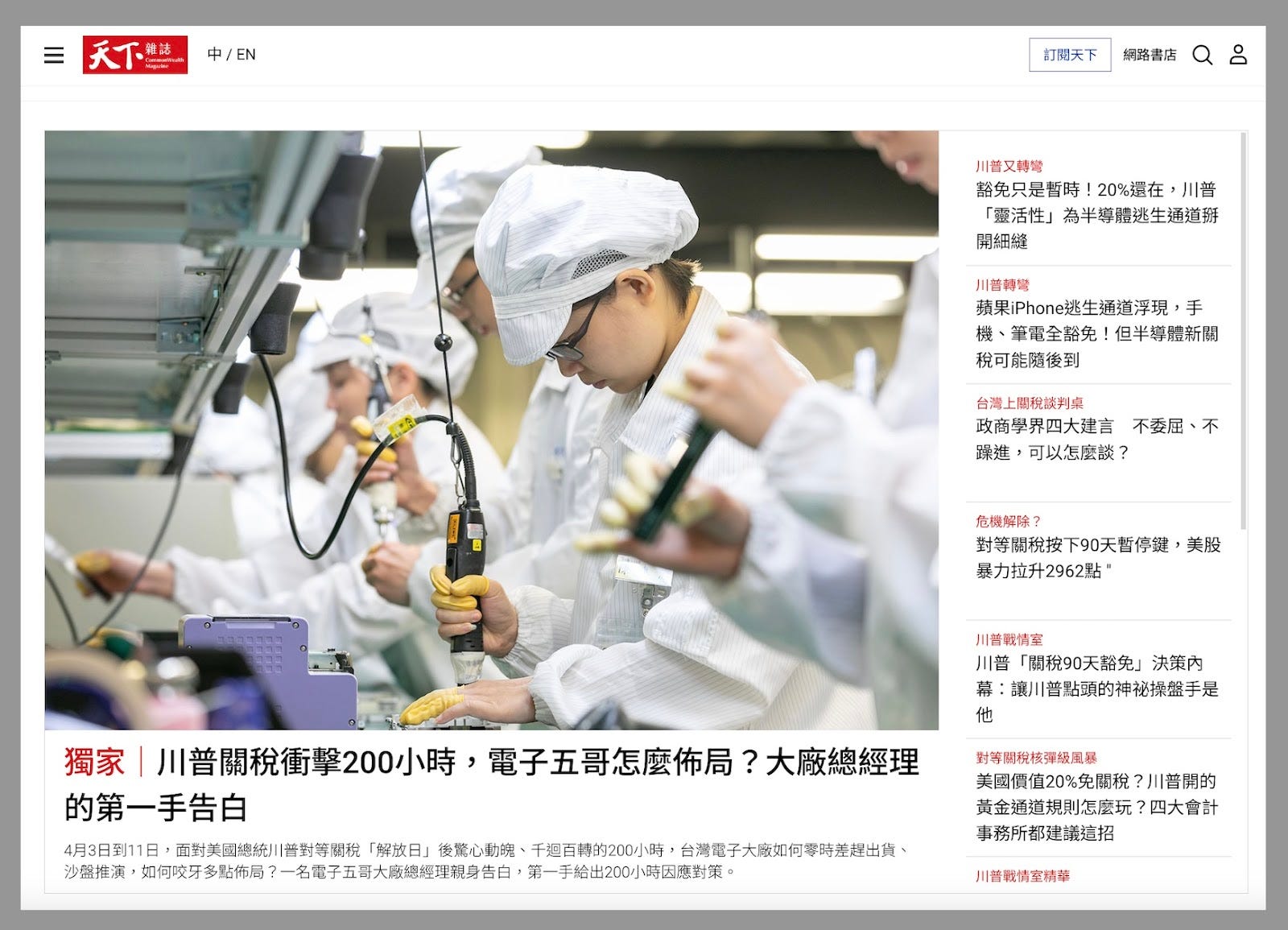
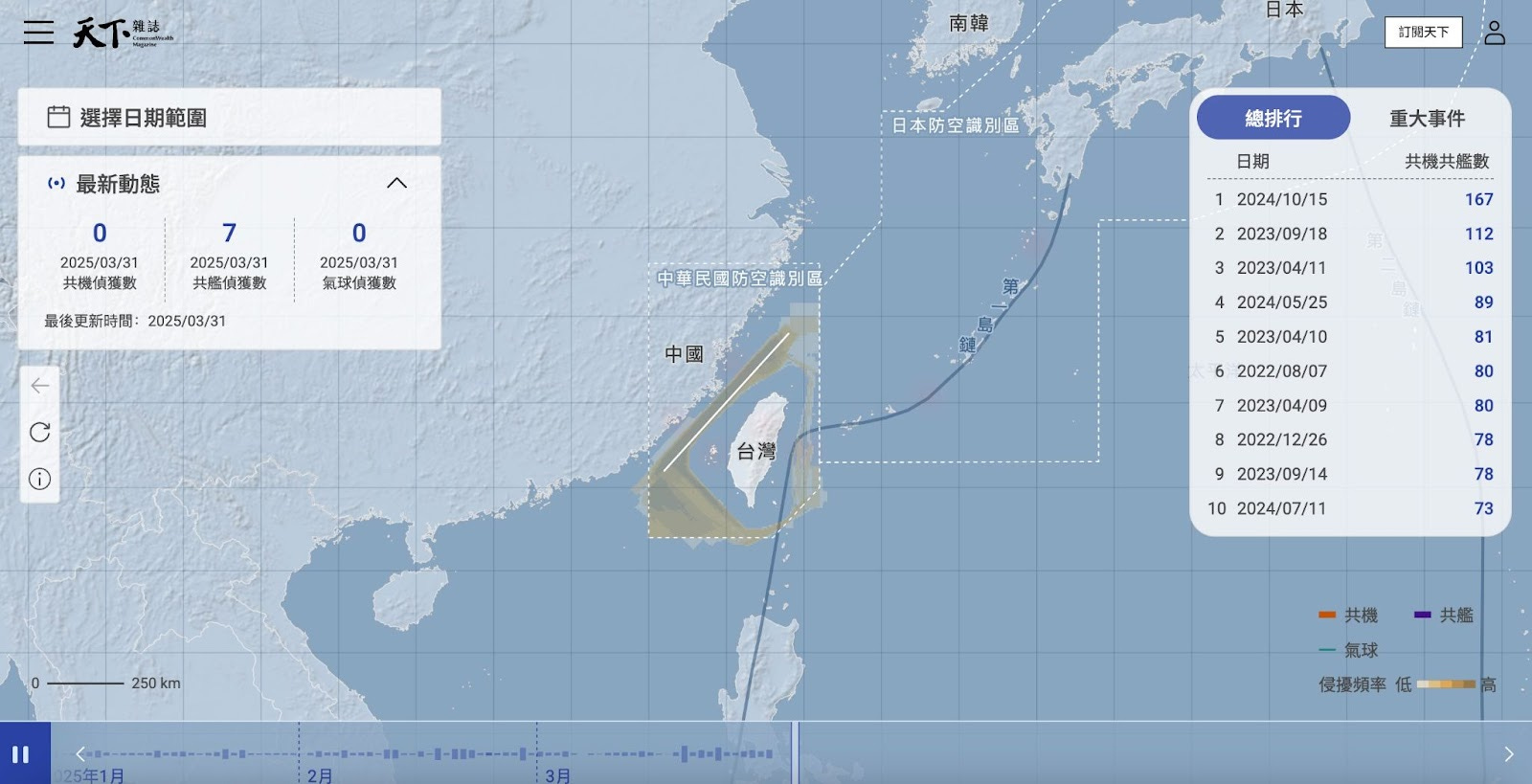
Taiwan’s CommonWealth (天下) magazine is an indispensable source for business reporting in the country — and now an essential window on how Trump’s tariffs are affecting the domestic economy. The magazine’s recent coverage after Trump’s first round of announced tariffs reported that Taiwan faced a steep 32 percent duty — higher than Japan or South Korea — creating immediate strategic dilemmas for manufacturers. The magazine’s reporting suggests companies are pursuing two main responses: accelerating investment in US production, or shifting operations to lower-tariff countries. Some English-language articles, like this one, are available on their website. 

Screenshot of Taiwan’s Commonwealth magazine online.

Teacher’s CCTV Interview Draws Criticism

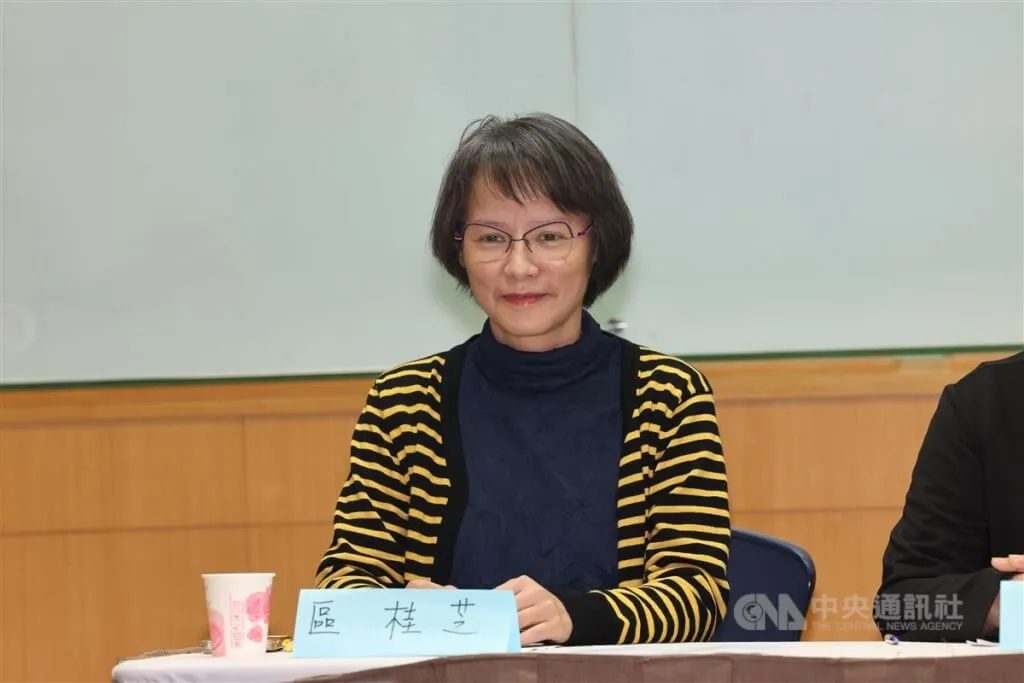
Taipei First Girls’ High School Chinese literature teacher Alice Ou (區桂芝) sparked controversy after criticizing President William Lai (賴清德) in an interview with China’s state broadcaster CCTV. Ou questioned Lai’s description of China as an “external hostile force” (境外敵對勢力), stating that she still wanted to visit her mother and relatives in China.

Mainland Affairs Council Deputy Minister Liang Wen-chieh (梁文傑) called Ou’s comments “really inappropriate” and suggested authorities evaluate her suitability to teach at the prestigious school, which was attended by the daughter of former president ​​Ma Ying-jeou (馬英九) as well as Zheng Li-jun (鄭麗君), a politician for the Democratic Progressive Party (DPP) who served as culture minister and deputy premier.

Buckle up. Hugely divisive controversies like this one seem to be on the rise in Taiwan.

Goodbye, Golden Opportunity

American YouTuber LeLe Farley (樂樂法利) was denied entry to Taiwan in late March despite holding an employment gold card, stemming from unauthorized paid TV appearances in 2023. The National Immigration Agency explained that Farley had violated immigration laws by receiving compensation for political talk show appearances during the 2024 presidential election campaign while on visa-free entry allowing him to travel in the country — but not to “work.”

“My dream shattered,” said Farley in a YouTube video, describing how he had sold his car in the US and was excited about “starting a brand-new journey” only to be rejected at the border.

Sea-Drill Drama

The People’s Liberation Army (解放軍) began joint military exercises around Taiwan on Tuesday this week, calling Taiwan’s President Lai Ching-Te a “parasite” in the latest escalation of Beijing’s months-long pressure campaign against Taiwan that is also a test for the United States. According to PLA Eastern Theater Command spokesman Shi Yi (施毅), the drills involve army, navy, air force and rocket forces conducting “multi-directional approaches to Taiwan island,” focusing on sea-air combat readiness, control of key areas, and land and sea strikes.

State-run Xinhua News Agency (新華社) said the exercises aim to test joint combat capabilities while serving as a serious warning to “Taiwan independence separatist forces” (台獨分裂勢力). This follows two previous military exercises conducted in the Taiwan Strait (台海) in March. The PLA described the action as “legitimate and necessary to safeguard national sovereignty and maintain national unification.”

The military maneuvers come amid heightened tensions following President Lai’s labeling of China as a “hostile foreign force” and recent shifts in U.S. diplomatic language regarding Taiwan. Beijing has consistently declared Taiwan a “red line” in China-U.S. relations and views Lai’s Democratic Progressive Party with particular hostility for what China insists on calling its “pro-independence agenda.”

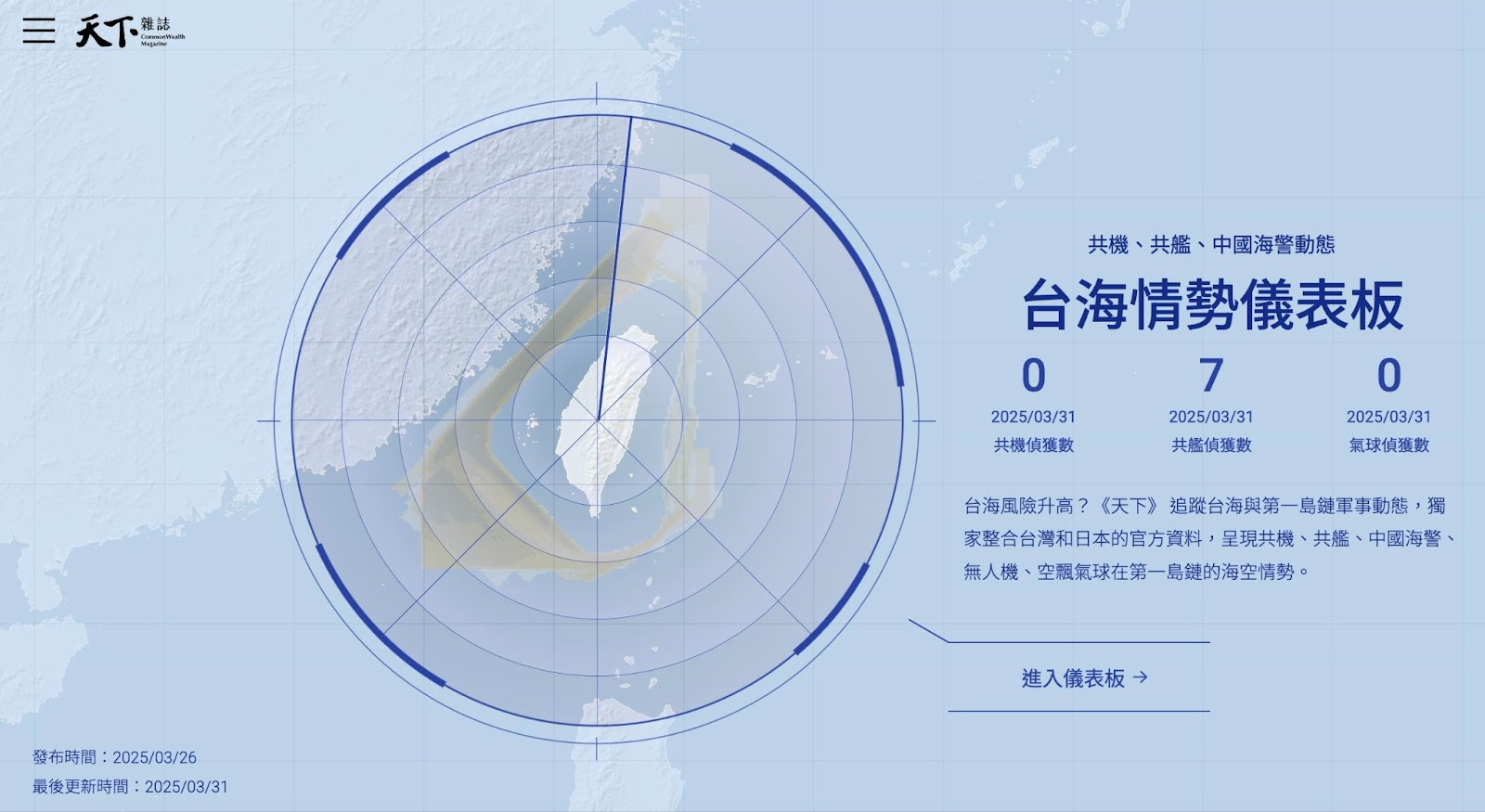
Last week, Taiwan’s Commonwealth Magazine (天下) launched a free interactive data tool that maps PLA activities around Taiwan. The “Map Explorer” (地圖探索) function displays real-time trajectories of Chinese military aircraft and vessels, revealing PLA hotspots. Users can filter dates, play/pause movement tracking, and click on red dots to examine detailed maps.