Directing AI

As Xi calls for homegrown AI technology, provincial leaders scramble to show alignment with these (not-so-new) priorities.
|

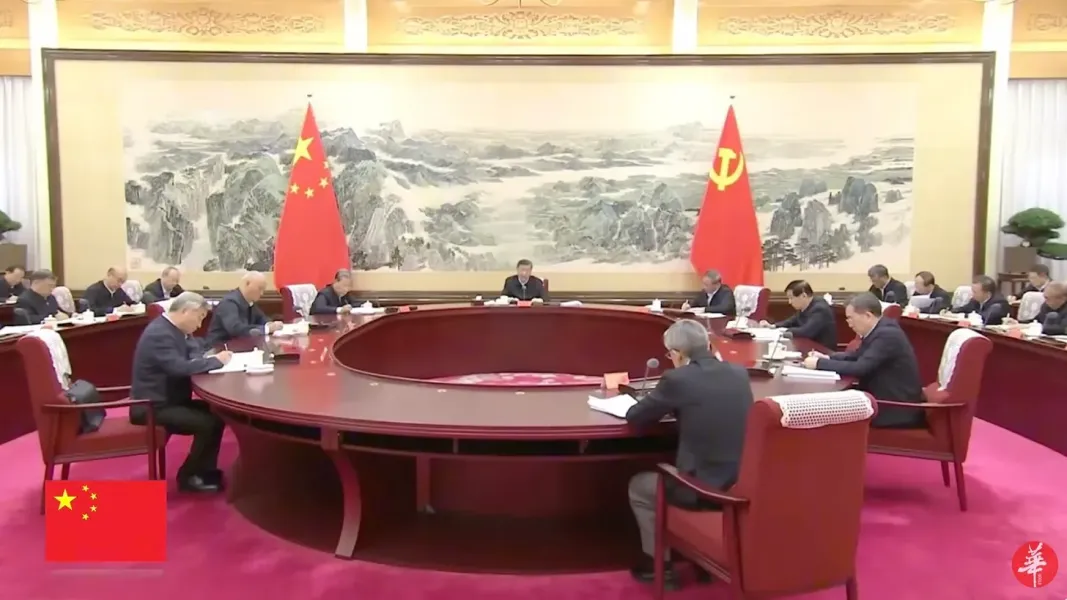
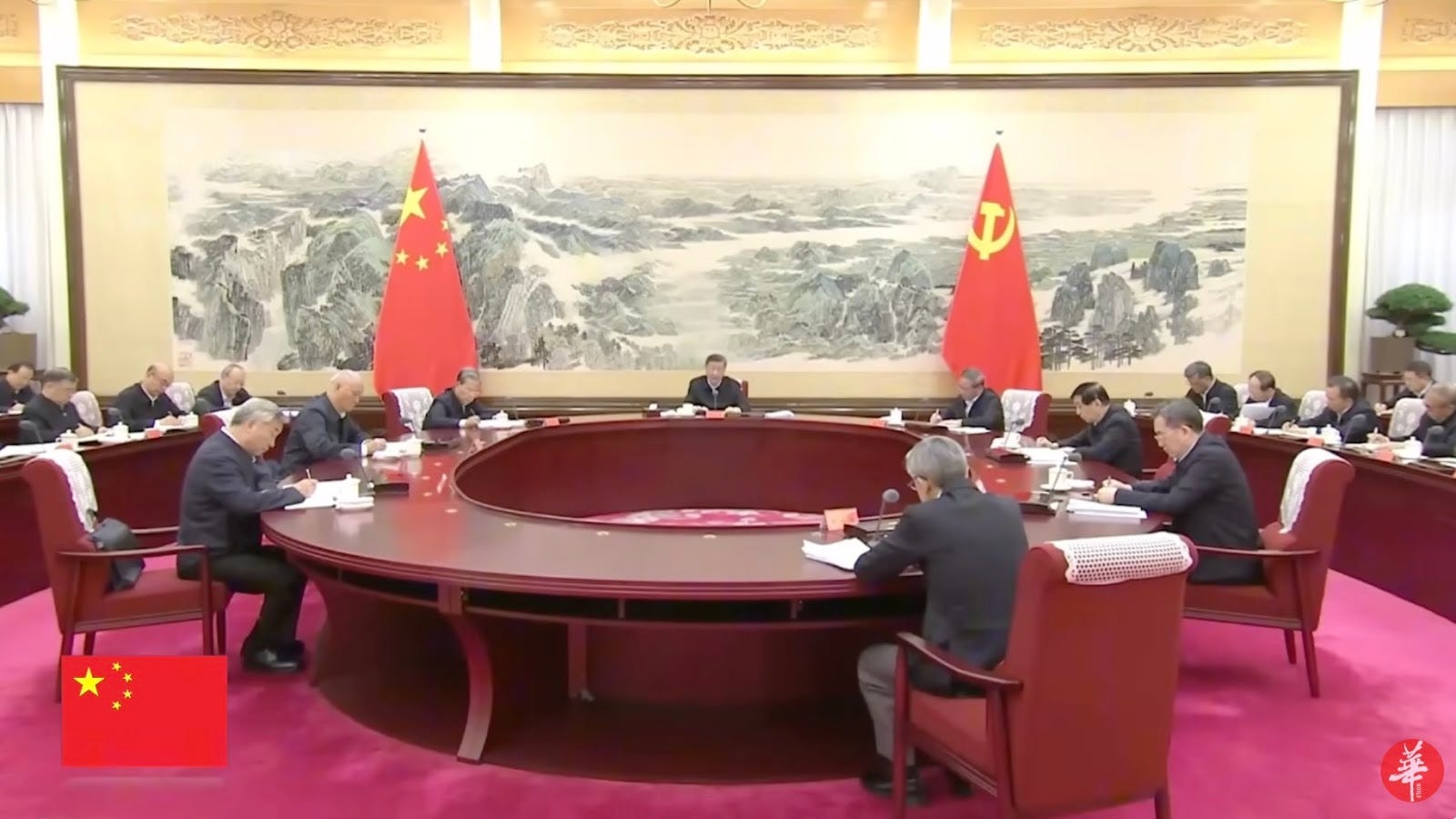
China’s Politburo held its second study session on artificial intelligence last week, underscoring the technology’s strategic importance. Following a lecture by Zheng Nanning (郑南宁) of Xi’an Jiaotong University, a leading Chinese expert on the engineering technology of AI and pattern recognition, Xi Jinping emphasized continued innovation in AI’s basic theories and core technologies while stressing the need to “construct a self-controlled, collaboratively operational AI foundation software and hardware system” — a call essentially for technological independence from foreign suppliers and platforms.

Provincial leaders across China swiftly demonstrated alignment with Xi’s directives through public declarations, a process often referred to as biaotai (表态). Officials in Zhejiang, Jilin, and Shandong provinces convened special meetings to implement the instructions. In Zhejiang, Party Secretary Wang Hao (王浩) echoed this directive, pledging to “seize opportunities, gather strength, raise standards, and ride the momentum to build a new computing power system and accelerate AI+ initiatives.” Quite a mouthful. Meanwhile, the Cyberspace Administration of China and other ministries issued the “2025 Key Points for Improving Digital Literacy and Skills for All”, which sought to improve digital talent training and expand the digital economy. For more on AI jobs and training, with requisite skepticism, read our recent CMP piece, “China’s AI Job Mirage.”

Alex Colville is a researcher for the China Media Project. He has written on Chinese affairs for The Economist, The Financial Times, and The Wire China. He has a background in coding from a scholarship with the Lede Program for Data Journalism at Columbia University. Based in Beijing from 2019 to 2022, Alex’s work as a Staff Writer for The World of Chinese won two SOPA awards. He is still recovering from zero-Covid.

More Stories from this Region

China’s leader maintained a commanding lead in the headlines of the CCP’s flagship People’s Daily in 2025, despite a substantial decline over the past year. What do thes…
Hong Kong’s premier annual film event sidelines four films without explanation, raising concerns about political interference and artistic freedom.
As China pushes a national reading initiative and AI reshapes information, one Shanghai shop offering 1,000 publications represents a vanishing era of relative editorial…
A daily check-in app sparks debate over sensitivities around death in China while grappling with the country’s growing crisis of solo-living and related safety concerns.
The closure of dozens more newspapers signals the final fizzling of China’s once-vibrant metropolitan print media sector at the outset in 2026.
As international communication centers proliferate across China down to the county level, Xi Jinping’s grand vision for global “discourse power” meets absurd local reali…