While Indonesia has one of Southeast Asia’s most diverse and digitally forward media ecosystems, journalism in the country faces mounting challenges, including economic disruption, threats to journalists’ personal safety, and growing foreign media influence. Traditional media revenues have collapsed amid the broader transition to digital platforms, forcing outlet closures and consolidation. Violence and intimidation against journalists have increased, with media monitoring organizations documenting dozens of cases in 2025 alone.
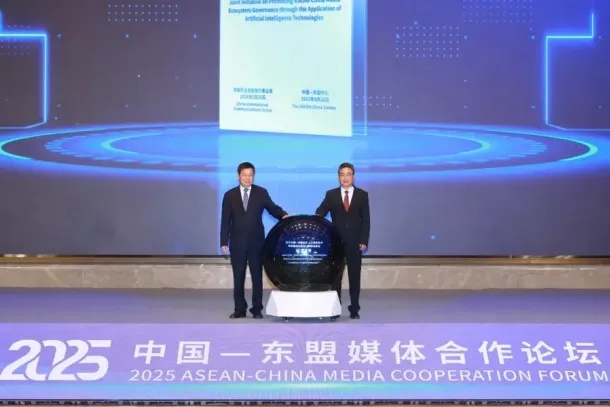
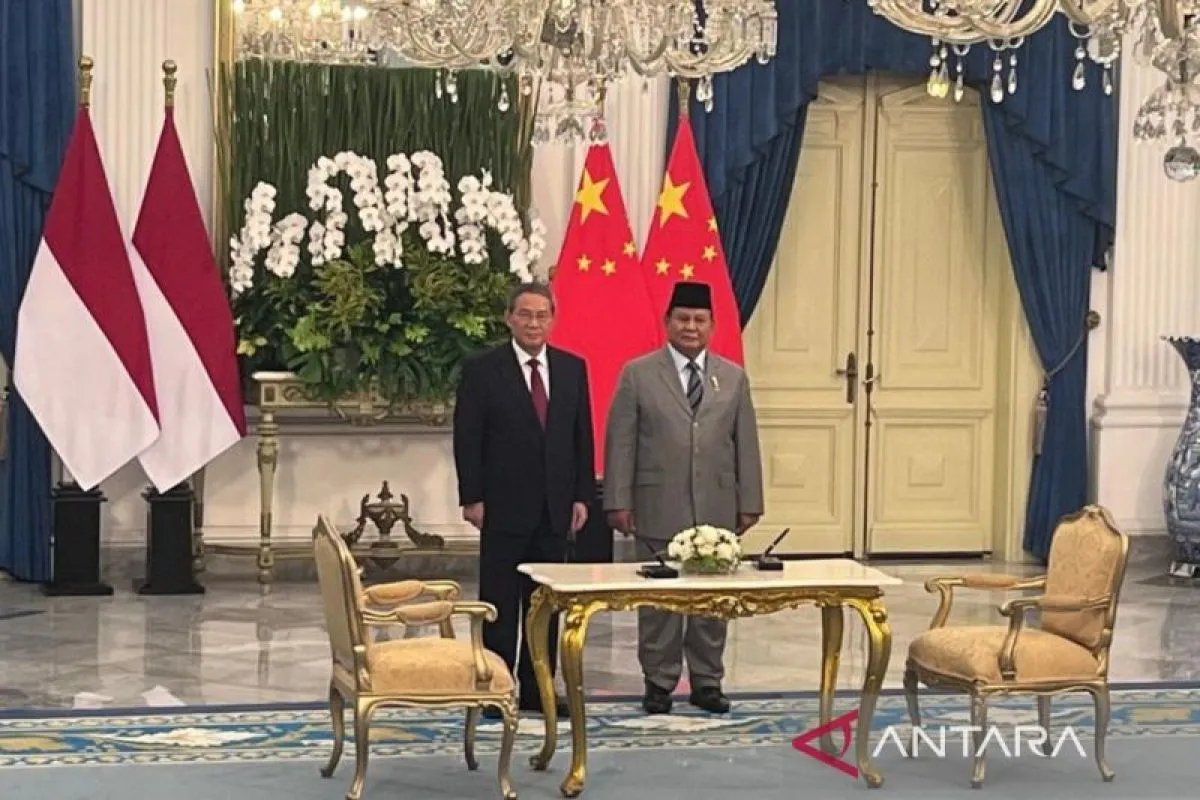
Into this strained environment, China’s state media apparatus has quietly expanded its engagement. Through content-sharing agreements with trusted outlets, all-expenses-paid journalist trips to China, and direct Bahasa Indonesia programming, Chinese state narratives have found new pathways into Indonesian newsrooms and living rooms. These partnerships, often framed as purely commercial, are reshaping what Indonesian audiences see and read about China — emphasizing development and cooperation while sidelining coverage of issues the Chinese state sees as part of its core interests, including Xinjiang, the South China Sea, and Beijing’s regional ambitions in Southeast Asia.
In this interview, Dr Muhammad Zulfikar Rakhmat examines how these information flows are transforming Indonesia’s media landscape. Speaking with Dalia Parete, he traces the mechanisms through which Chinese state media influence operates — not generally through overt repression, but through economic incentives, professional exchanges, and editorial partnerships that gradually normalize Beijing’s perspectives in what is relatively speaking one of the region’s most open media environments.
Dalia Parete: Indonesia is often described as having one of the region’s most dynamic media environments, with a substantial digital audience and a wide range of outlets. When you look at the media landscape today, how would you describe its overall condition and direction?
Muhammad Zulfikar Rakhmat: It is vibrant and under pressure at the same time. Look, the diversity is still there — you’ve got legacy newspapers, broadcasters, independent online portals, social media journalism. All of that remains a real strength. But traditional media are struggling as revenues have collapsed, and outlets are shutting down or going digital just to survive. So you have this dual reality where digitalization keeps expanding access and variety, but the organizations themselves are struggling through a really tough economic and regulatory climate. Press freedom is still there on paper, legally protected. But in practice? Financial stress, digital disruption, legal threats — all of that is making independent journalism much harder.
In short, Indonesia has a media ecosystem that is dynamic and pluralist on paper, but in practice, it is facing growing vulnerabilities.
DP: Over the past 20 years, Indonesia’s media scene has gone through significant change. From your perspective, what have been the most critical shifts or turning points?
MZR: The digital shift changed everything. As internet access spread, outlets moved online or started there from scratch, which opened things up — new voices, faster distribution, reach beyond the cities. But it also disrupted the traditional business model that relied on print ads and subscriptions. Now, press outlets are competing with social media and influencers for attention. That’s a fundamental change in who makes news and how.
Economically, it’s forced consolidation. Many smaller papers or regional outlets are struggling to keep printing or have gone fully digital. Media-watch groups have documented this pretty extensively. Meanwhile, a few big media groups still dominate, resulting in a concentration of influence. And the situation for press freedom has gotten worse. Indonesia ranked 127 out of 180 countries in the 2025 press freedom index [released by Reporters Without Borders], down from its previous ranking, with violence, intimidation, and harassment against journalists on the rise.
Then there’s the international dimension, particularly Chinese and Russian state media expanding cooperation with Indonesian outlets. That’s not just about content anymore; it’s about geopolitics and information flows. All these shifts together are reshaping what Indonesian journalism can be.
DP: Thinking about journalists’ daily realities and the broader environment for press freedom, what do you see as the key challenges at the moment?
MZR: Money is the first problem. Traditional ad revenue is gone, so media companies are barely surviving, which makes them vulnerable to outside pressure from commercial interests that compromise what they can report. Then you have the legal side. Press freedom is constitutionally protected by laws such as UU Pers No. 40 Tahun 1999 that directly established press freedom as a fundamental right. But new regulations keep being proposed, especially in broadcasting, and there’s a constant fear of tighter controls on investigative work or vague definitions of “false news” that can potentially be weaponized.
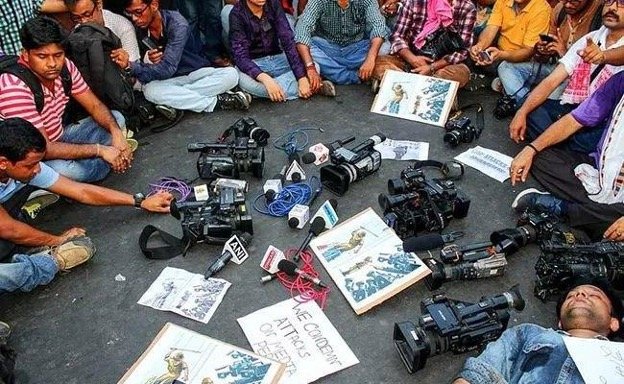
Safety is getting worse, too. Media-watch organizations recorded dozens of cases of violence or threats against reporters just in 2025. There is both physical and digital harassment.
And then the whole information ecosystem has shifted. Outlets aren’t just competing with each other anymore — they’re up against social media, influencers, and algorithm-driven platforms. In-depth reporting loses out to clickbait. Journalists themselves will tell you this is one of their biggest frustrations because it undermines quality and trust.
Foreign influence matters too. These content partnerships can subtly shift editorial priorities. So even though legally there’s a framework for press freedom, the day to day reality is that economic pressure, physical insecurity, and external influence are all pressing in.
DP: China’s media footprint in Indonesia is growing, from content-sharing deals with outlets like Antara and Metro TV to other forms of cooperation. What kinds of Chinese media engagement are you observing on the ground, and how is it influencing newsrooms or media practices in Indonesia?
MZR: The engagement is definitely growing. You’ve got content-sharing agreements — ANTARA with Xinhua, Metro TV with China Media Group for their Mandarin programming “Metro XinWen.” Then there are these journalist exchanges and sponsored trips where Chinese media or public diplomacy bodies invite Indonesian journalists, influencers, and media people to China, all-expenses-paid, for Belt and Road Initiative coverage, cultural tours, and media forums. And Chinese state media are producing content directly in Bahasa Indonesia, or translating it to reach Indonesian audiences.
What does this do to newsrooms? It makes it easier for Chinese narratives to enter Indonesian news through local outlets that people trust. When local media republish or produce content from Chinese agencies, the framing shifts — sometimes intentionally, sometimes not — toward perspectives favorable to China. This creates a parallel stream of “soft news” about China, focusing on technology, development, bilateral cooperation, and culture, that may crowd out more critical or investigative reporting on sensitive issues — Xinjiang, the South China Sea, and China’s regional ambitions.
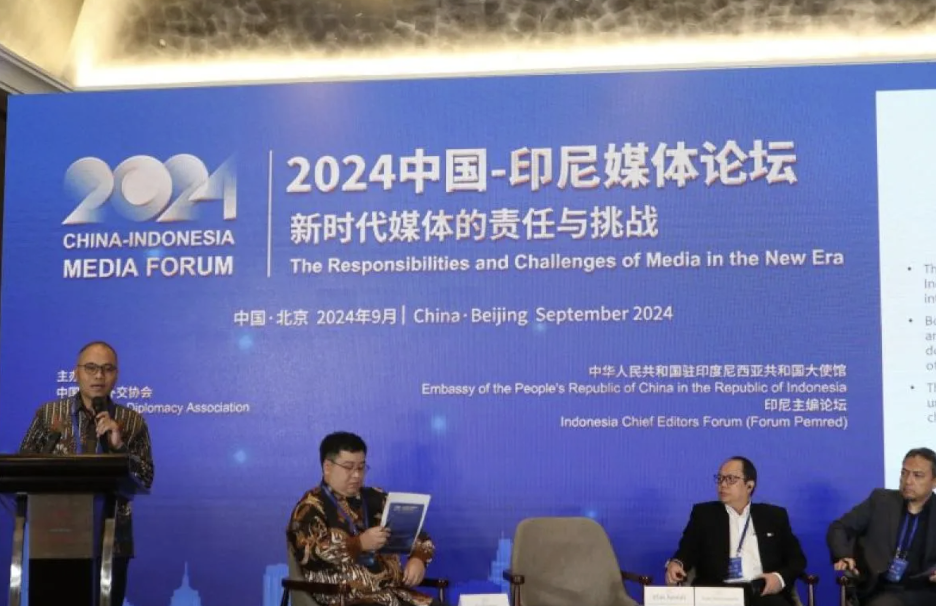
Some outlets see it as purely a matter of business. As one local media editor told external observers: collaborations are “purely commercial.” But whether they intend it or not, foreign-state narratives are being normalized in domestic media. Over time, that shifts the whole information ecosystem.
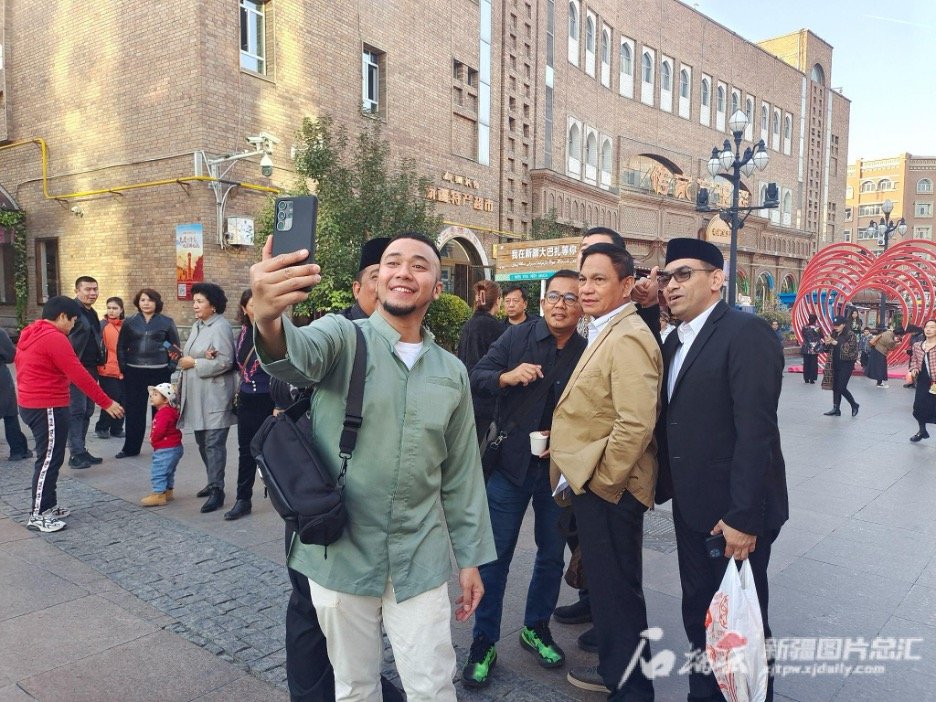
DP: China has been inviting Indonesians on trips to China, including tours to Xinjiang. How common is this in Indonesia, and does the coverage of China change after these trips?
MZR: It’s fairly regular. Between 2019 and 2021, these invitations went out to journalists, influencers, religious leaders, students — all subsidized or sponsored by the Chinese government or media bodies. Monitoring organizations see it as part of a deliberate strategy to cultivate favorable reporting and reshape perceptions. Exact numbers are hard to pin down because a lot of this isn’t transparent, but it happens consistently.
Does coverage change? There’s evidence that it does, especially among media outlets already in content-sharing agreements. After these trips, you see more favorable portrayals — with an emphasis on economic cooperation, cultural exchange, technology, and less on human rights or territorial disputes. But the impact isn’t total. There’s still widespread skepticism about China among the Indonesian public and in some media circles, particularly around geopolitical issues.
DP: What is the state of Chinese-language media in Indonesia today? Are there locally owned Chinese-language outlets, and, if so, what is their relationship to Beijing?
MZR: Chinese-language media exist, but they’re a small niche compared to Bahasa outlets. Some Chinese-language TV, radio, print, and online media have been established through these broader cooperation deals with Chinese state media. But research shows many of them either rely directly on content from Xinhua or the [CCP-operated] China Media Group, or they’re heavily influenced by those narratives, which raises questions about independence.
There might be some community or diaspora-run outlets, but the most visible presence comes through partnerships with Chinese state media. Freedom House reported in 2022 that Chinese-language newspapers in Indonesia are dominated by pro-Beijing content. What’s interesting, though, is that the influence tends to focus on issues of soft power — through culture, technology, and bilateral cooperation — rather than overt propaganda on strategic issues like the South China Sea that directly affect Indonesia. The diaspora media generally avoid pushing Beijing’s line when it conflicts with Indonesian national interests.
Dr. Muhammad Zulfikar Rakhmat is an Indonesian researcher specializing in relations between China, Indonesia and the Middle East. He is director of research at the Center for Economic and Law Studies (CELIOS) in Jakarta, and is affiliated with the National University of Singapore (NUS) and Busan University of Foreign Studies. He also leads Sekolabilitas, an Indonesian NGO working toward better education access for students with disabilities.