
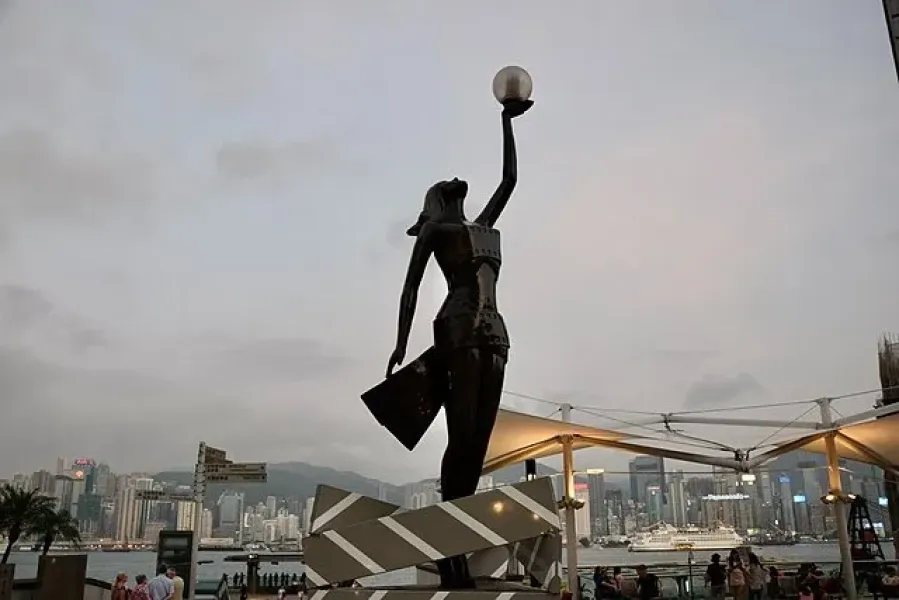
Last week, the Hong Kong Film Awards (香港電影金像獎), the city’s premier annual cinema event, excluded four films from its official 2025 contenders list without explanation, prompting concerns about censorship in what was once one of Asia’s most vibrant film scenes.
The four films — three from Hong Kong and one Malaysian production — all met the stated eligibility criteria for the 44th edition of the awards but were omitted when the HKFA published its official contenders list on January 13. Industry sources told local media that internal HKFA meetings never discussed removing the films, and at least two appeared on preliminary reference lists as recently as October 2024.
When contacted by multiple media outlets, the HKFA offered “no comment” (無回應).
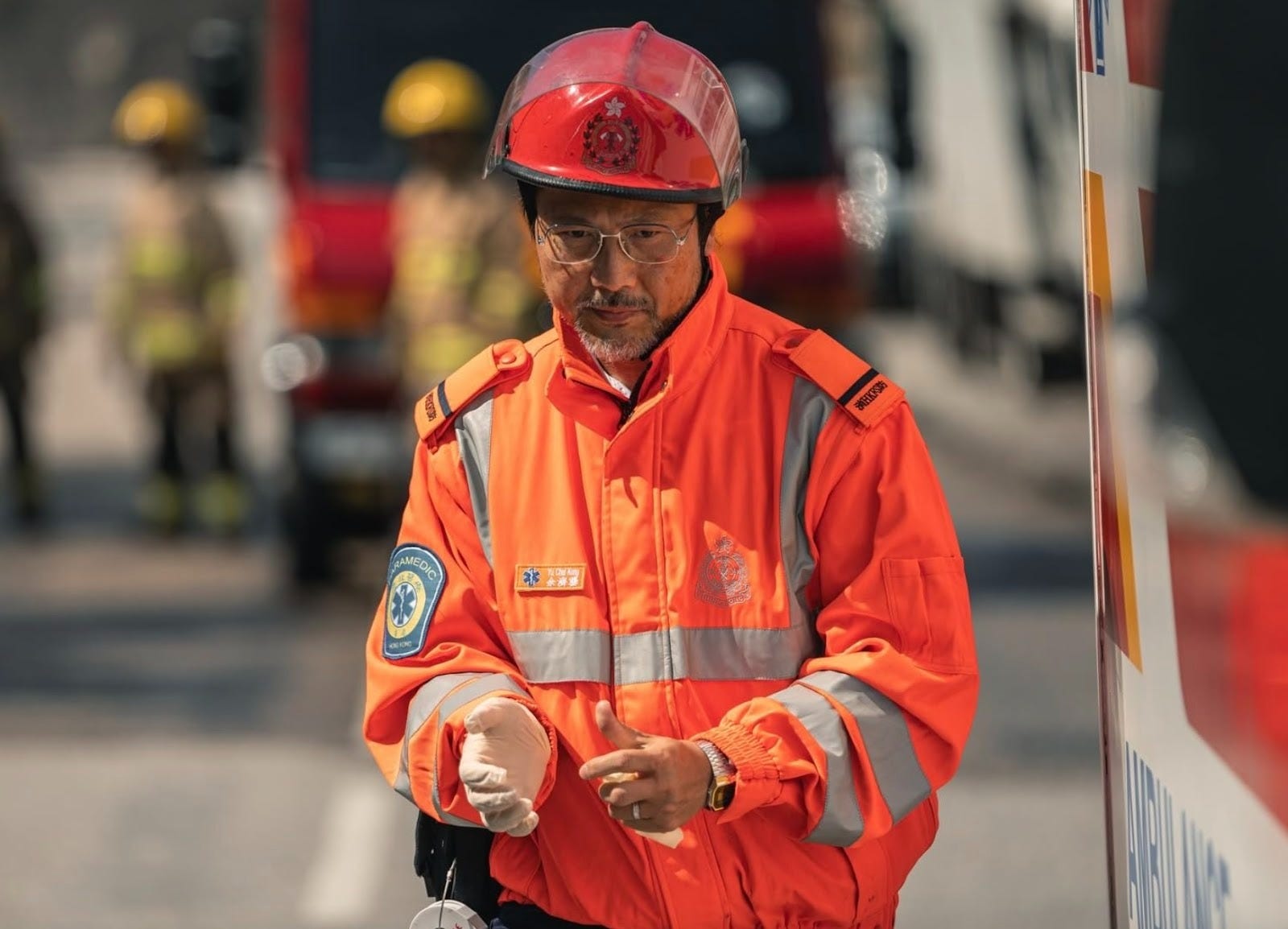
According to HKFA rules, any Hong Kong film with a first-run commercial release showing at least five screenings over seven consecutive days in 2025 automatically qualifies — and all four of the films in question met these criteria. They include: the crime thriller “Valley of the Shadow of Death” (不赦之罪); “Finch & Midland” (今天應該很高興), a drama about estranged siblings from Hong Kong facing hardship as immigrants in Ontario; “Vital Signs” (送院途中), which follows paramedics in Hong Kong; and “Mother Bhumi” (地母), a Malaysian production exploring themes of land rights and indigenous identity.
As media outlets in Hong Kong and beyond reported the news, they used the phrase “unexplained disappearance” (離奇消失) to describe the action from HKFA — suggesting a deliberate action without a clear justification. In a lengthy essay in Ming Pao on Sunday, film critic Ka Ming (家明) argued that with this year’s 44th HKFA, Hong Kong films now fall into three categories: those that don’t meet the definition of “Hong Kong film,” those that meet the definition but cannot compete, and those that meet the definition and can compete. The four excluded films, he said, belonged to the second category — meeting all stated criteria but mysteriously barred.
Opening his piece with Hitchcock’s famous line “It’s just a movie,” Ka Ming noted ironically that in today’s Hong Kong, film awards are never just about films or filmmaking.
The exclusions sparked widespread concern across Hong Kong and regional media. Taiwan’s ETToday reported on Friday that the HKFA had also canceled the “Best Asian Chinese-Language Film” award (最佳亞洲華語片) without warning, breaking a 24-year tradition and excluding films from Taiwan, China, Singapore and Malaysia. Regarding the exclusion of the four films, Yeung Wing-kwong (楊永光), the director of “Finch & Midland,” expressed bewilderment in an interview with the outlet: “I also have no idea what happened,” he said. ETToday also quoted veteran film industry figure Tien Kai-man (田啟文) as saying that he “does not wish this unclear situation to continue, as it will leave many people confused.”
The Hong Kong online magazine Wave reported last week that while the HKFA has long relied on government subsidies, funding has become increasingly precarious — creating potential leverage for political pressure. Last year’s support decreased 14.6 percent to 6.8 million Hong Kong dollars, or about 875,000 US dollars, with approval granted only after the ceremony. HKFA Chairman Derek Yee (爾冬陞) warned funding could end, calling questions about content-based subsidies “such a sensitive topic” (咁敏感的話題).
All four excluded films feature individuals who have faced political consequences in China. Anthony Wong (黃秋生), who stars in both “Valley of the Shadow of Death” and “Finch & Midland,” has been blacklisted in China since 2014 for his vocal support of Hong Kong’s pro-democracy Umbrella Movement. “Vital Signs” features Neo Yau (游學修), who co-founded Mocking Jer, a political satire group that mocked the Hong Kong government through YouTube videos. Fan Bingbing (范冰冰), lead actor in “Mother Bhumi,” was blacklisted by Chinese authorities in 2018 following a tax evasion scandal and has since worked primarily on international productions.
The exclusions sparked immediate reaction on online forums, with commenters suggesting political interference was behind the removals. “When powerful departments make a phone call, no one can refuse to listen,” one user wrote in a Hong Kong forum, speculating on the machinations behind the scenes. Another sarcastically invoked Xi Jinping’s 2013 directive to “spread positive energy“ (傳播正能量)—a phrase emphasizing the need for more uplifting and less critical content. They quipped that the paramedic film “Vital Signs” was “so positive it’s glowing,” an ironic jab at the film’s exclusion despite its seemingly unobjectionable content.
Other users pointed to the chilling effect of arbitrary enforcement. “The ingenious part is that you don’t know where their red line is,” noted another user in the forum. “So you end up self-censoring.”


