Silencing University Voices
Earlier this month, Beijing Normal University quietly deleted the social media account of Jingshi Scholars (京师学人), a student-run publication that had operated on campus for twenty years. No announcement was made to readers or former members as between 600 and 700 articles disappeared overnight. The account was listed as “voluntarily closed” (自主注销) — a bureaucratic formality that, according to former members, was not what had actually happened.
Student newspapers and other outlets in China have long occupied a rare and contested space. Operating nominally under university party committees (党委), they have sometimes managed, within narrow limits, to report on subjects that official outlets dare not touch. Jingshi Scholars tended to cover such issues as labor rights and the lives of migrant workers in the capital city, topics that can sit uneasily with the Party’s preferred narratives.
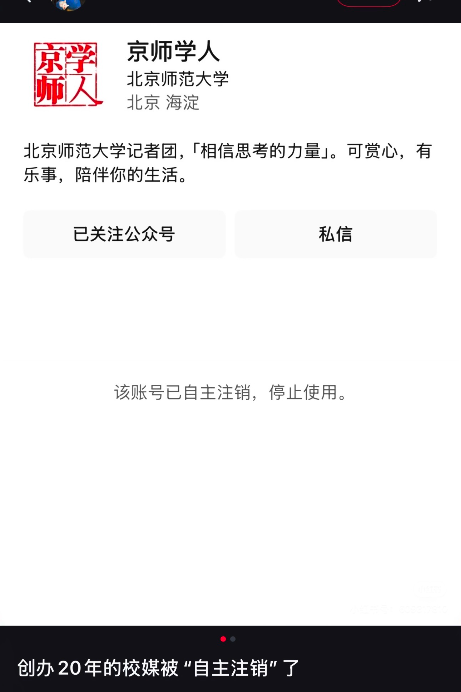
The move this month is just the latest in a series of moves against the publication. In November 2017, the editorial team was summoned by university authorities after publishing a sensitive article and forced to hand over editorial authority. The office space used by the publication was reclaimed by the university. The public account stopped updating, until the final deletion this year.
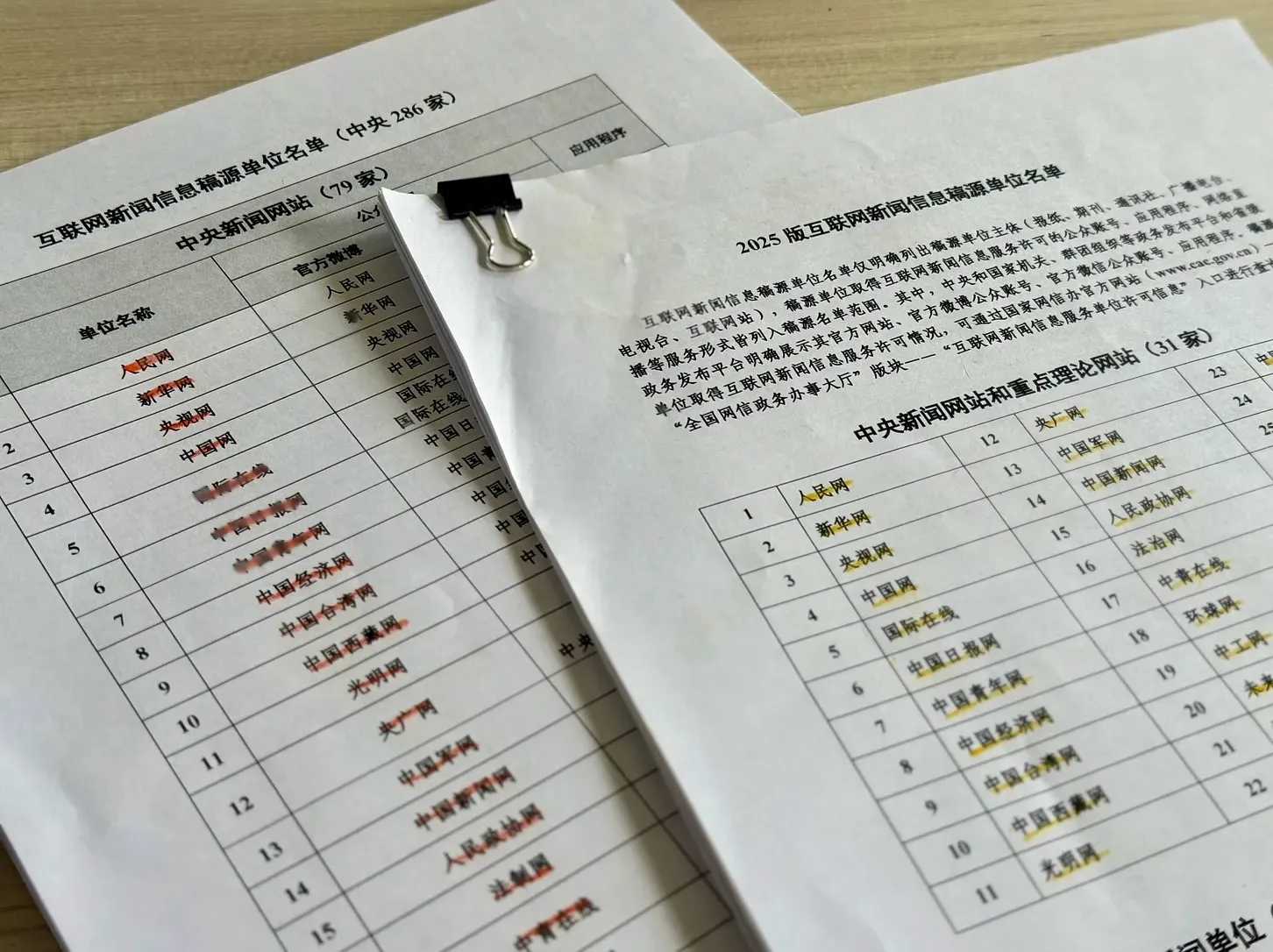
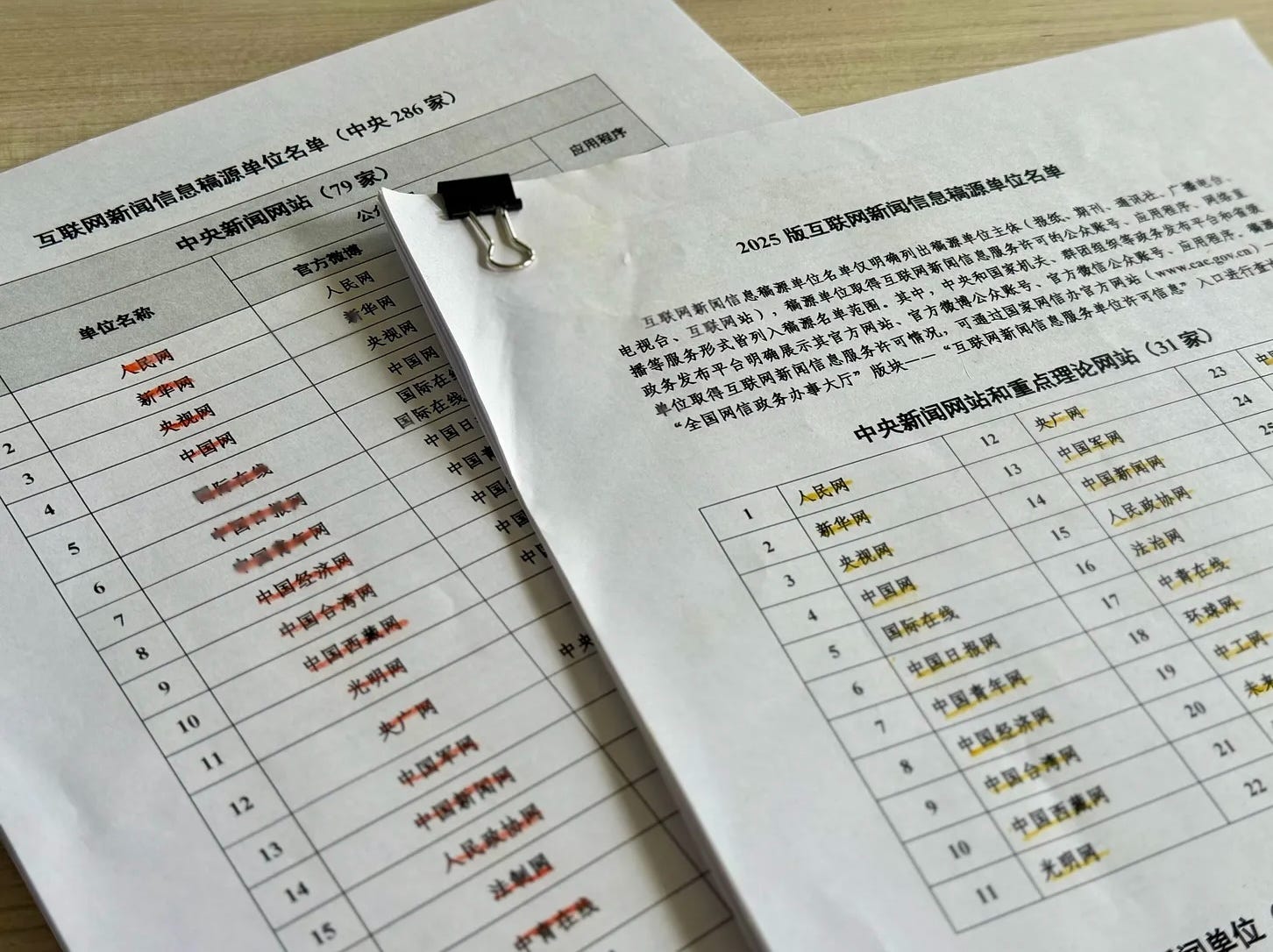
What happened to Jingshi Scholars over nearly a decade was compressed, at other institutions, into weeks. Between November and December 2024, at least 10 universities, including Fudan University (复旦大学), Wuhan University (武汉大学), and the Communication University of China (中国传媒大学), shut down more than a thousand WeChat public accounts (微信公众号) in rapid succession. Wuhan explained the closures as necessary for “improving online public opinion guidance” (提升网络舆论引导质效) — an invocation of the Party’s doctrine that media exist not to report, but to manage what people think.
Reflecting on the shutdown this month, one former member of Jingshi Scholars wrote that “the account can be deleted, but the hotpot smell has seeped into our blood — it won’t wash out.”