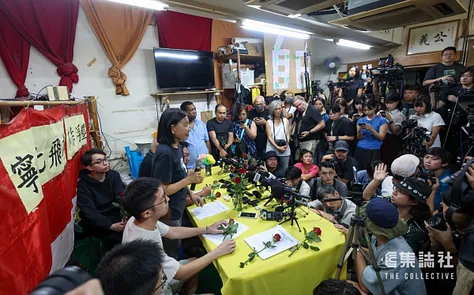
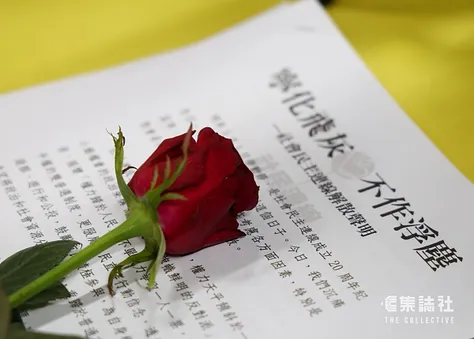
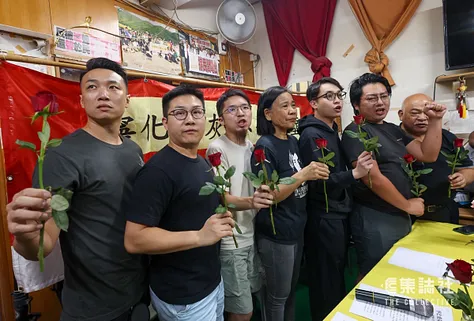
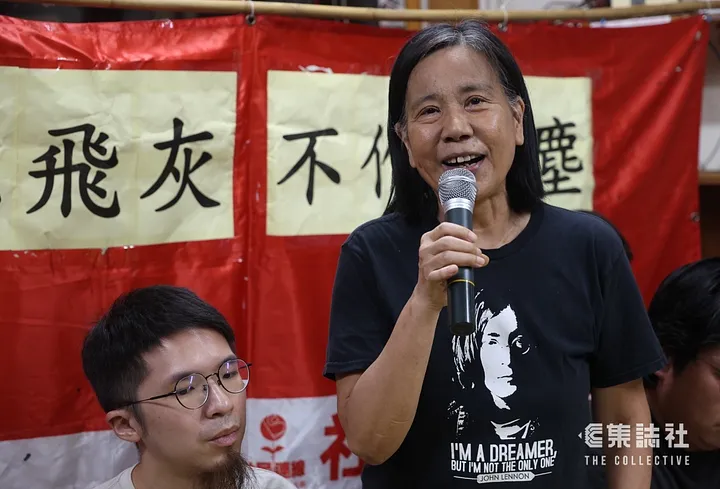
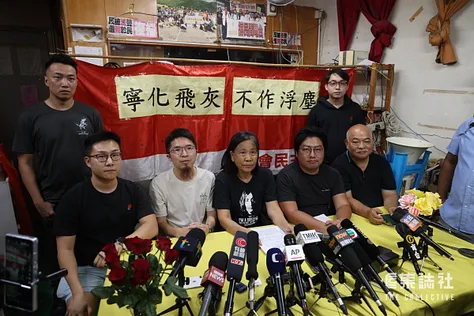
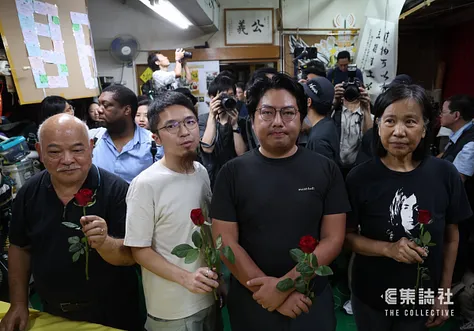
The League of Social Democrats (社會民主連線) announced its dissolution Sunday after nearly two decades of political activism in Hong Kong, with chairwoman Chan Po-ying (陳寶瑩) citing “tremendous political pressure” (強大的政治壓力) and concern for members’ safety. The left-wing party, founded in 2006 by prominent democracy advocates including “Long Hair” Leung Kwok-hung (梁國雄) and Wong Yuk-man (黃毓民), once held three legislative seats and championed street protests with the slogan “resistance within and outside the legislature.” The Collective (集誌社) reserved comment on the story, posting instead an image gallery (below) of the party’s closure. Also reporting the news, Taiwan’s CNA compiled a list of the nine parties disbanded in Hong Kong to date. Pro-Beijing media welcomed the move, with Wen Wei Po describing the organization as having “troubled Hong Kong for 20 years.”
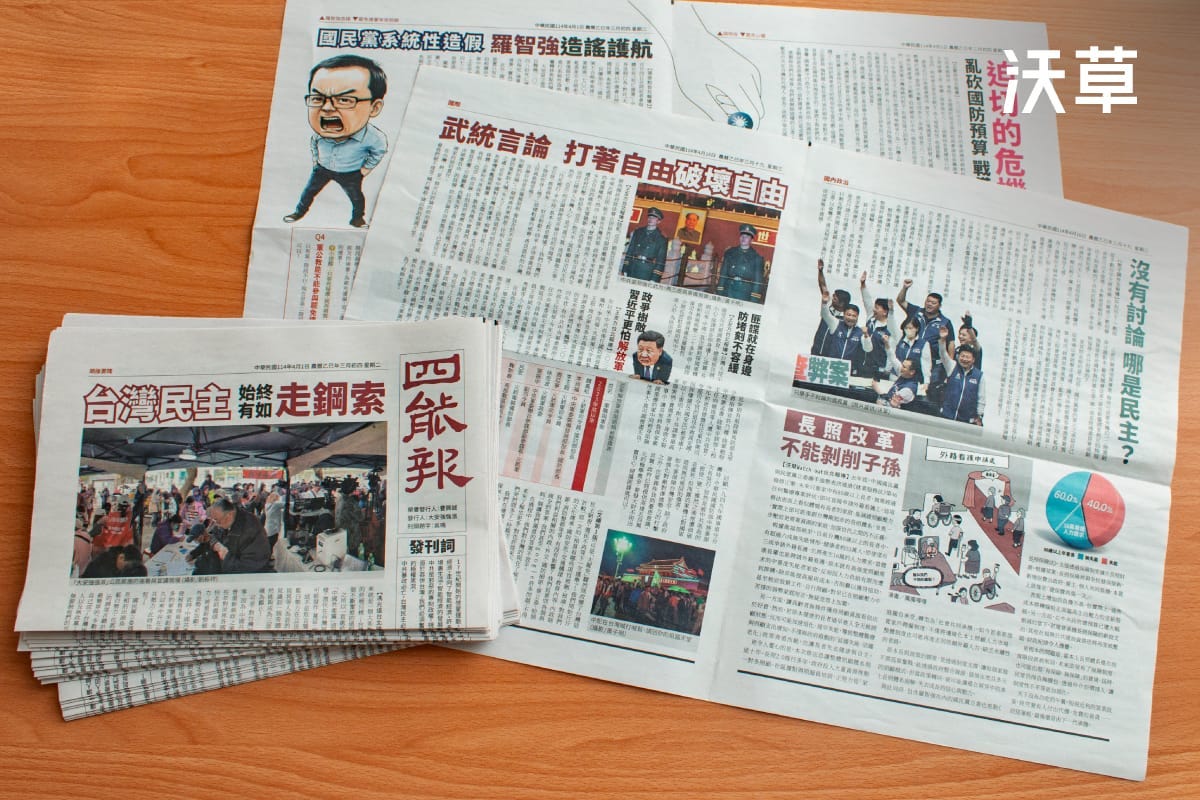
You might call it an ink insurgency. As Taiwan’s so-called“Great Recall” (大罷免) movement, a wave of campaigns to remove newly elected legislators through citizen petitions, has taken the country by storm, creative print media initiatives have emerged to reach voters in traditional strongholds for the Kuomintang (國民黨) party, whose members tend to be older and more politically conservative — and much less digital savvy — than their counterparts in the ruling Democratic Progressive Party (DPP). According to a fascinating report by the watchdog organizationWatchout (沃草), these print strategies aim to connect with digitally-disconnected constituencies as campaigners face a 60-day window to gather a sufficient number of signatures to push recall actions.
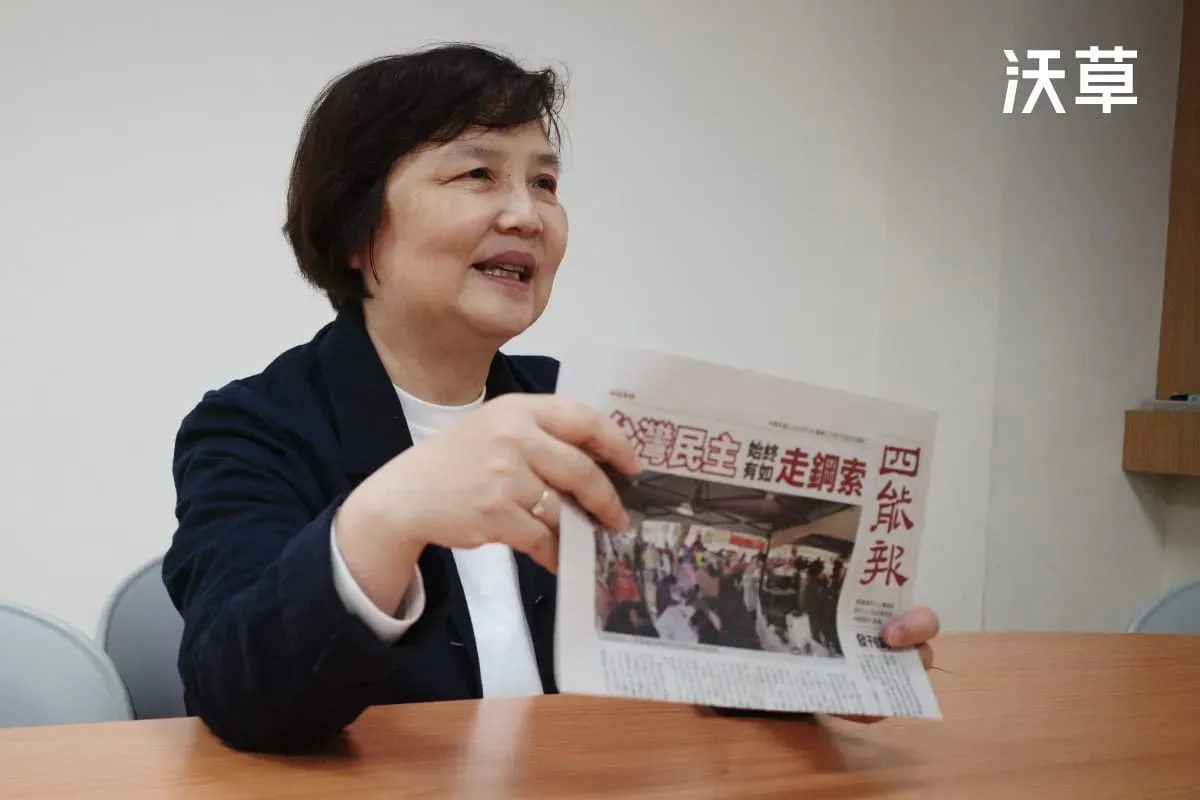
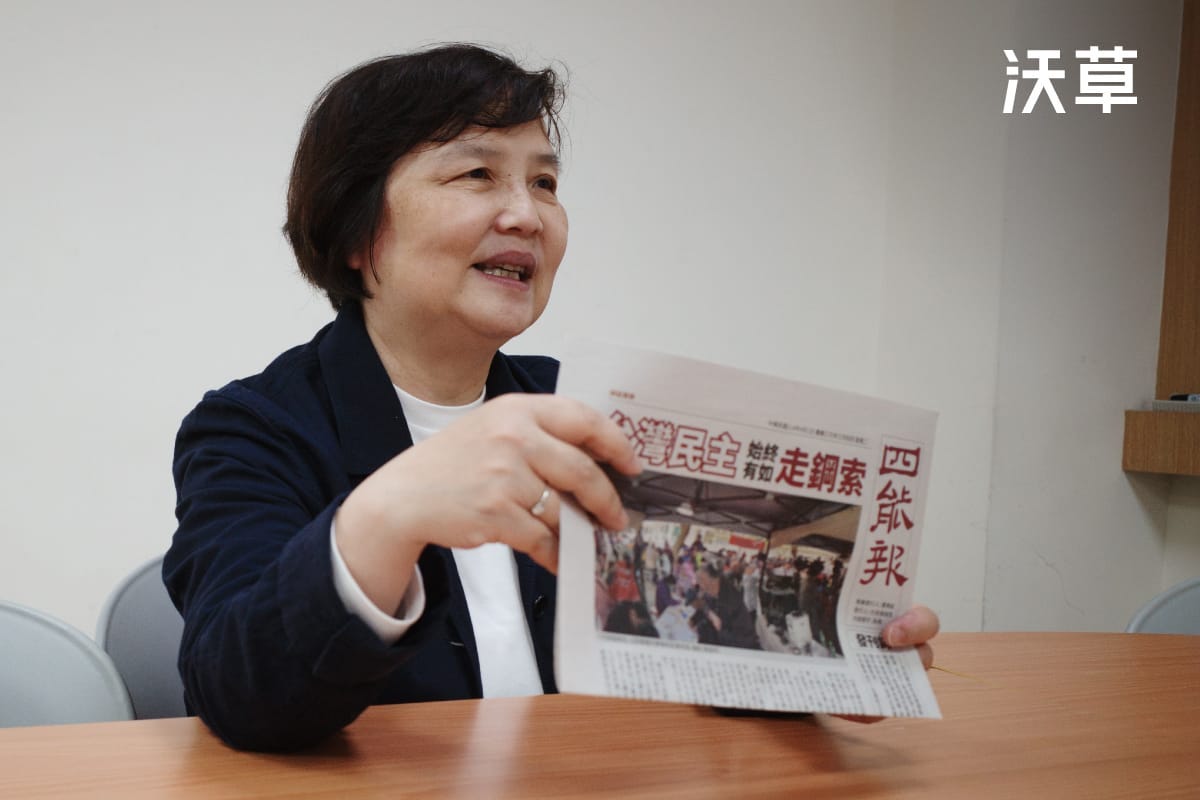
Veteran journalist Gu Bi-Ling (古碧玲) invited several friends from the media and cultural sectors to publish the physical newspaper Four Able News amid the recall push. SOURCE: WatchOut.
Media veterans in Taipei’s Da’an district have launched “Four Able News” (四能報), a biweekly publication promoting the recall of KMT legislator Lo Chih-chiang (羅智強), while activists in Xizhi, an inner city district in eastern New Taipei City, have created “Shrimp News” (蝦報) to campaign against KMT legislator Liao Hsien-hsiang (廖先翔), referencing his “shrimp diplomacy” controversy (He proposed resuming cut-off diplomatic relations with Honduras back in January as shrimp exports to the country from Taiwan dropped sharply). In Hualien, DPP-aligned recall campaigners have placed advertisements in the traditionally pro-KMT Update Daily (更生日報), featuring painter Chen Cheng-po’s (陳澄波) artwork to appeal to local sentiment.
These diverse print campaigns share a common strategy: bypassing digital barriers to reach older, more conservative voters. In north Songshan district, recall groups have even leveraged imagery of former KMT dictator Chiang Kai-shek (蔣介石), the architect of the country’s White Terror, to connect with traditional KMT supporters, demonstrating how the movement is adapting traditional media for modern political activism.