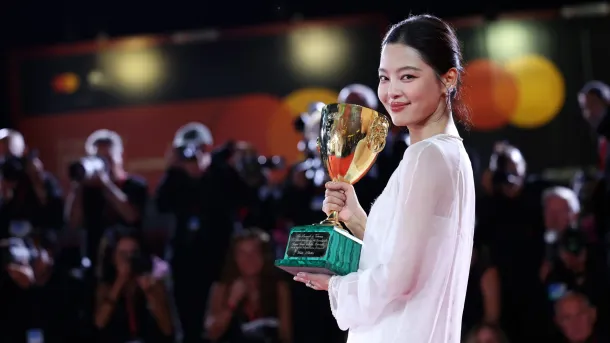
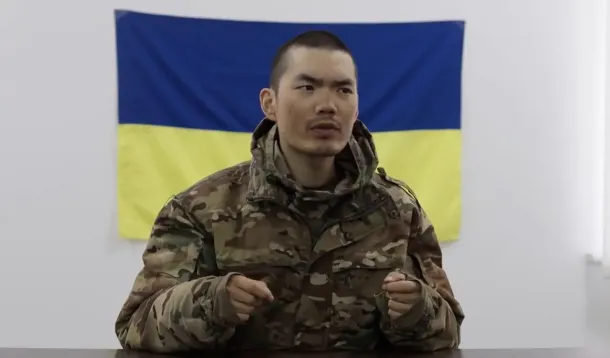
In a case that again exposed China’s use of political pressure abroad to silence voices it views as threats to its state narrative, the Chinese consulate in Strasbourg has pressured a local theater and city officials to cancel a planned stage production with Taiwan’s National Theater and Concert Hall.
According to French media, the Chinese consulate in Strasbourg called the theater in early February to register its displeasure about the play, which was scheduled to run from March 5 to 22.
When theater director Barbara Engelhardt did not respond, the deputy consul general wrote directly to the City of Strasbourg, the theater’s principal funder, demanding the show be cancelled on the grounds that it would harm Sino-French diplomatic relations.
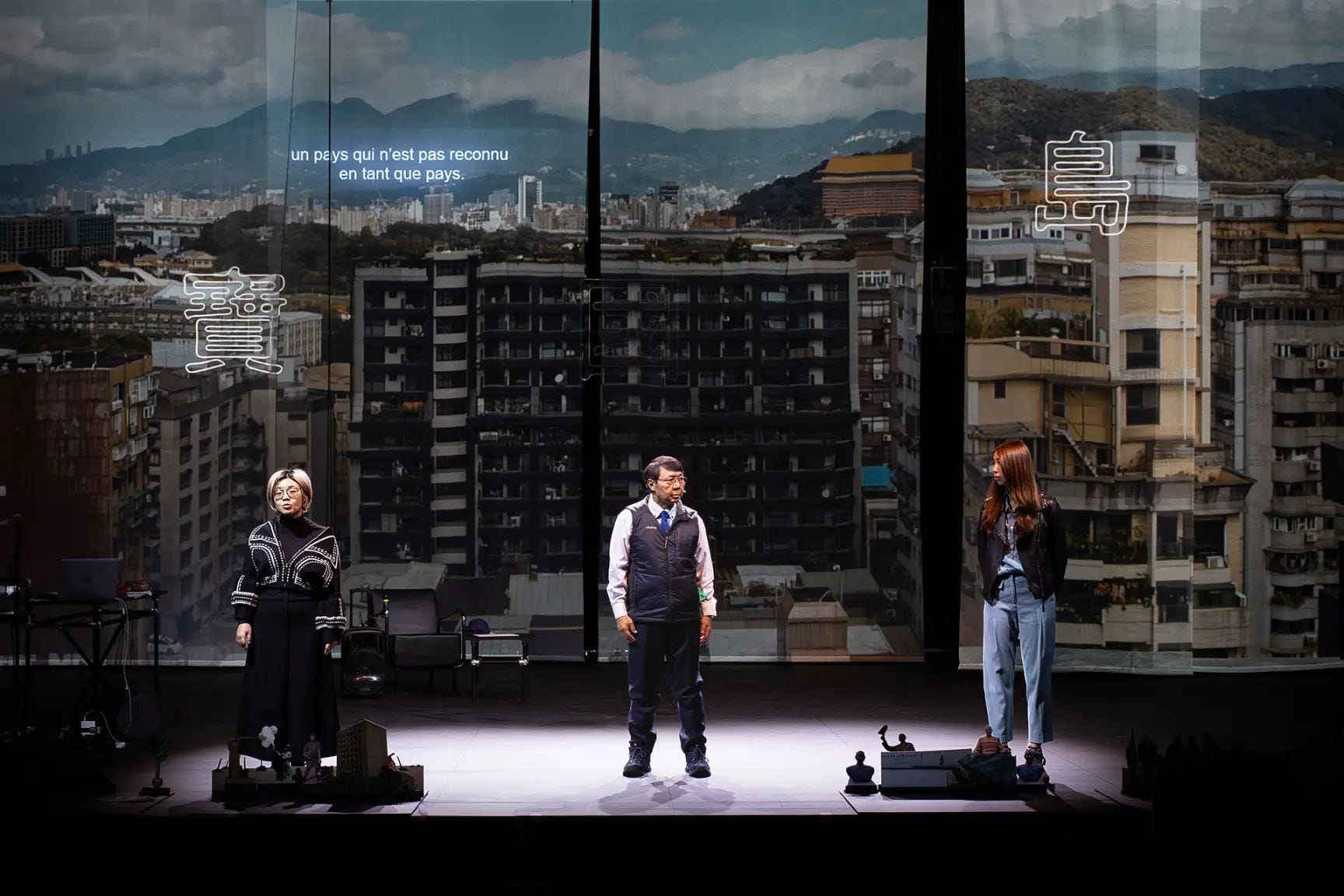
The play — Ceci n’est pas une ambassade, or This Is Not an Embassy — is co-produced by German theater group Rimini Protokoll and Taiwan’s National Theater and Concert Hall, and directed by Stefan Kaegi. It employs documentary theater to simulate the opening of a Taiwanese embassy — describing Taiwan as a country whose international recognition is inversely proportional to its economic importance. The production premiered in Berlin in 2024 and has since toured widely across Europe. It was programmed as the opening event of Le Maillon’s Démocraties en jeu (Democracies at Stake) Festival, a series of performances and discussions exploring threats to democratic governance, running from March 5 to 22.
The Strasbourg performances touch a raw diplomatic nerve with Beijing. China claims Taiwan as its own territory and routinely pressures governments, institutions, and cultural organizations worldwide to avoid any portrayal of Taiwan as a sovereign state.
Mayor Jeanne Barseghian said she responded by reaffirming France’s protections for artistic freedom and reported the incident to the Regional Directorate of Cultural Affairs. France’s AFP newswire reported last week that the Chinese consulate had not responded to a request for comment.
Neither the Chinese Embassy in Paris nor China’s Ministry of Foreign Affairs has publicly commented on the incident. No mention of it has appeared in Chinese state media.

The reports prompted swift coverage in Taiwan. The story was picked up by at least two Taiwanese outlets on March 4. The Liberty Times (自由時報) newspaper, an outlet generally regarded as partial to the ruling Democratic Progressive Party (DPP), ran the story in its arts section, framing the play as the first international theater work to directly address Taiwan’s national status and diplomatic situation.
The Liberty Times article featured the full three-part statement from the Taipei Representative Office in France — the country’s de facto embassy in Paris — which praised Strasbourg’s mayor and French cultural authorities for not bending to China’s demands. The office said that Taiwan’s voice must not be silenced, and called on audiences to attend as an act of solidarity. “Any form of censorship and suppression,” it read, “will only draw greater international attention to Taiwan’s resilience.”
SET News (三立新聞), the news division of Taiwan’s major private broadcaster Sanlih E-Television (三立電視), covered the story in its politics section, leading with the pressure from China’s consulate in Strasbourg. Citing the Liberty Times report, the outlet added that the Taiwan Cultural Center in Paris had confirmed that the shows had not been cancelled, and that local support for the project remained strong.
“The fact that the Chinese government chose this moment to do this only makes it clearer who the anti-democratic side is.”
The news hit Taiwanese media just as China was marking the opening of its annual “two sessions” — the National People’s Congress and Chinese People’s Political Consultative Conference — with state media pushing the familiar message that China’s political system, entirely monopolized by the Chinese Communist Party, is democratic and consultative. Premier Li Qiang’s government work report to the NPC called on officials to “accept democratic supervision” from the CPPCC — a body whose members are appointed, not elected.
On March 5 — the opening day of the NPC — cast member Chiayo Kuo (郭家佑) took to social media to address the situation in France. “We’re here for a festival about democracy,” she wrote. “The fact that the Chinese government chose this moment to do this only makes it clearer who the anti-democratic side is.”