

Elon Musk’s social media platform X was making no secret of its ambitions in China. Its new standalone messaging app, XChat, came equipped with Simplified Chinese language support and was listed simultaneously on the China App Store, suggesting X had its sights set on a vast base of Chinese users. But the app was buried in China before it could even get off the ground. X — or more precisely, “404” — marks the spot.
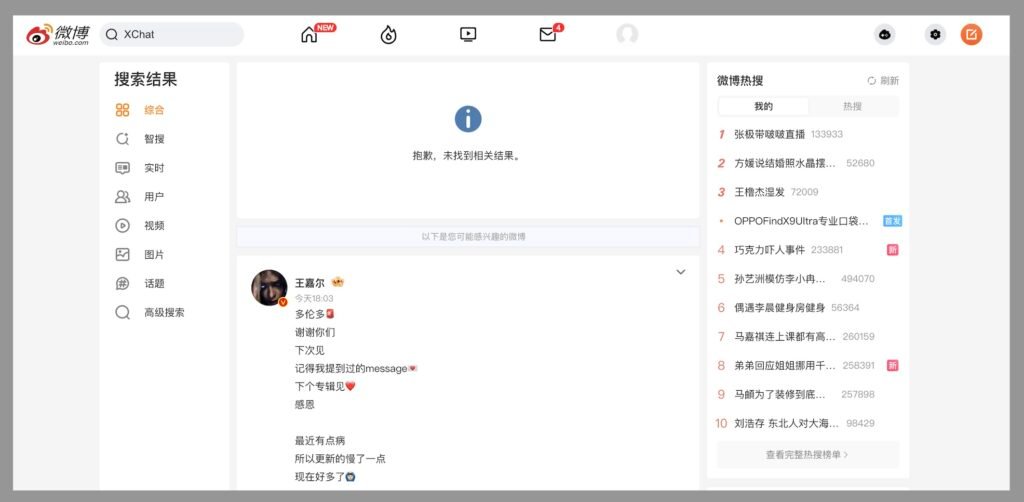
According to a post by the influencer known as Teacher Li Is Not Your Teacher (李老师不是你老师), who goes by @whyyoutouzhele on X, outlets including Xinhua, People’s Daily Online, The Paper, and Jiemian News had each published reports on XChat’s impending launch — only to delete them. Teacher Li’s post drew nearly 970,000 views. Searches for “XChat” on Weibo, WeChat and Douyin returned no results.
XChat, an encrypted, ad-free messaging service with no user data tracking, is part of Musk’s broader “everything app” strategy for X and has been compared for this reason to China’s WeChat.


