Lost in Translation

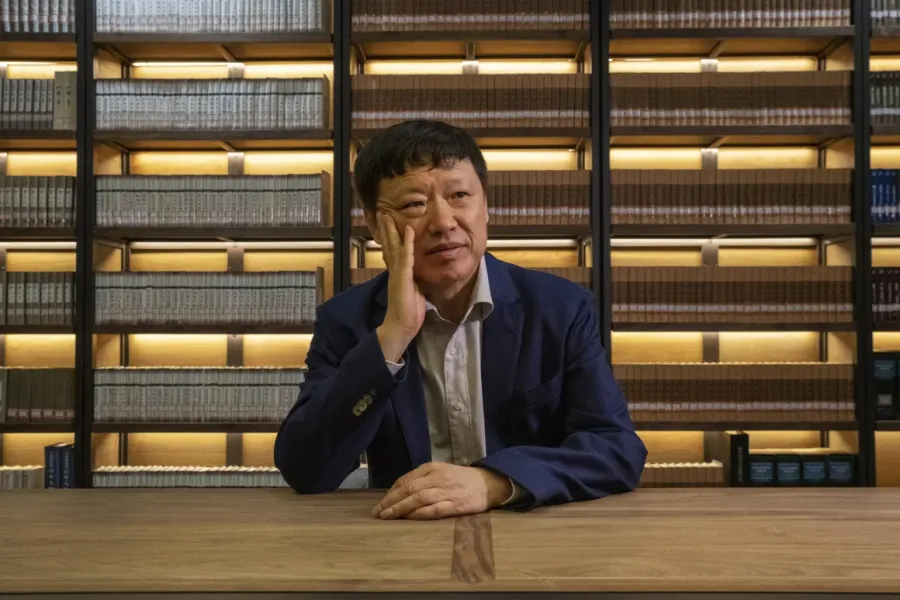
Social media frenzy erupted after machine translation errors incorrectly identified James Hu as Hu Xijin.
|

A social media frenzy erupted last week after machine translation errors incorrectly identified James Hu, Morgan Stanley’s newly appointed vice chairman for China, as Hu Xijin (胡錫進), the controversial former editor-in-chief of the Global Times, Sing Tao Online reported (星島網). The confusion spread when screenshots began circulating on Chinese social media, with one international affairs expert joking that translation software had “terrified” the real Hu Xijin. In reality, Morgan Stanley had appointed Hu Jiguang (胡霽光), grandson of former Communist Party General Secretary Hu Yaobang (胡耀邦) and an experienced investment banker. His sister, Hu Zhizhi (胡知鷙), currently serves as vice chairwoman at UBS Securities, marking the family’s prominence in international finance.
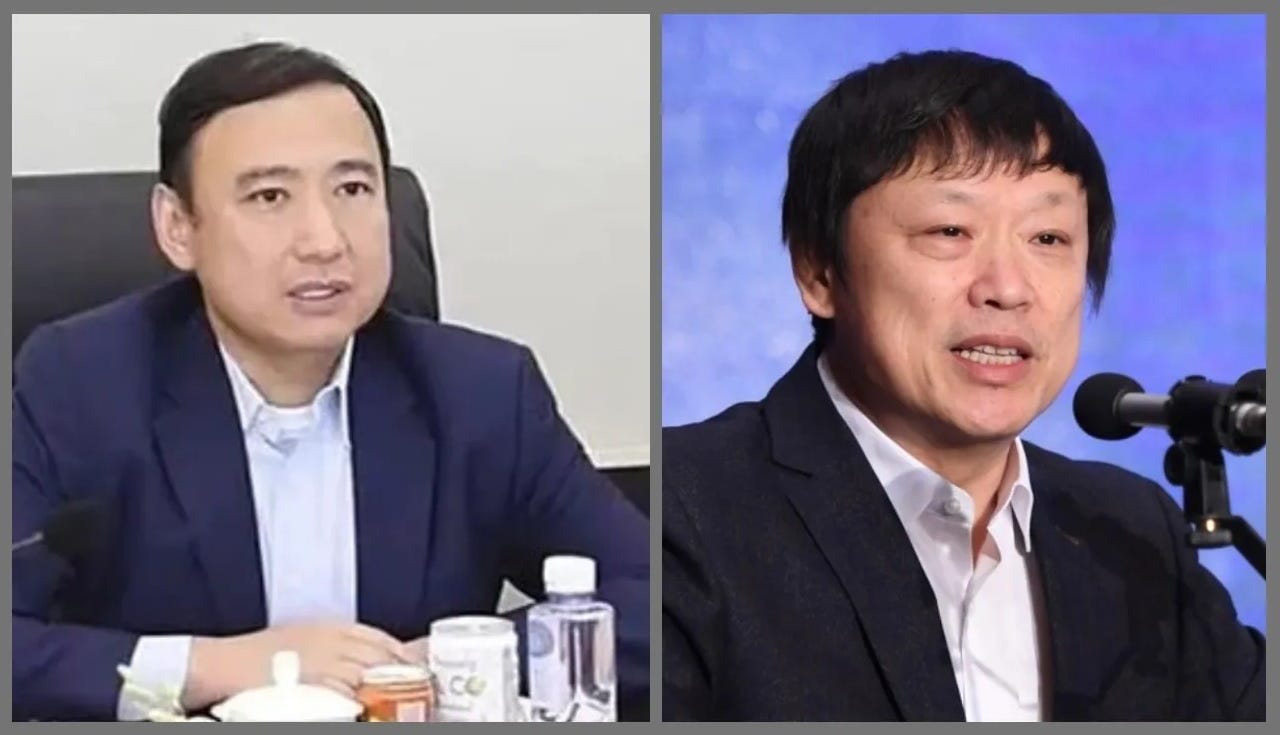
At left, Morgan Stanley’s James Hu is definitely not Hu Xijin (right), the former editor-in-chief of the Global Times.


Lingua Sinica is an interactive online resource under the China Media Project (CMP) that explores the capacity and sustainability of Chinese-language media environments globally in their full domestic context and traces the lines of impact and engagement by PRC media and institutions.

More Stories from this Region

Two recent cases in Hubei province suggest authorities are shifting from targeting VPN operators to punishing ordinary users.
As China’s leaders gathered in Beijing to chart the country’s future amid economic uncertainty, state media sought to shift the focus — bottling up more critical coverag…
China is shutting down hundreds of local TV and radio channels — and rebuilding its propaganda apparatus online.
China’s leader maintained a commanding lead in the headlines of the CCP’s flagship People’s Daily in 2025, despite a substantial decline over the past year. What do thes…
Hong Kong’s premier annual film event sidelines four films without explanation, raising concerns about political interference and artistic freedom.
As China pushes a national reading initiative and AI reshapes information, one Shanghai shop offering 1,000 publications represents a vanishing era of relative editorial…