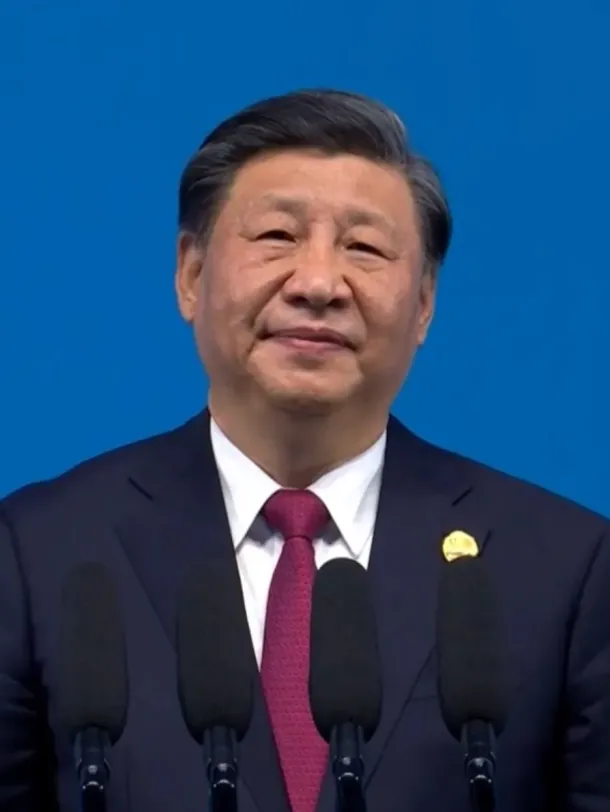
So the first Ministerial Meeting of China’s Global Civilization Initiative (GCI) didn’t top your news agenda? Despite the grandiose terms in which leaders have previously described this third initiative to signal the country’s global leadership in key areas — including also security (GSI) and development (GDI) — state media apparently made little effort to externally publicize what was meant to be its opening party of sorts. Just a smattering of English reports touted the gathering, which took place in Beijing on July 10 and 11. Serbia seemed the only nation to formally announce its participation as a diplomatic matter.
First introduced in March 2023, this initiative is built around a broader concept of “civilization” that Xi has trumpeted since the 20th National Congress of the CCP in October 2022 as a new grandiose concept to shore up his own domestic legitimacy [READ “China’s ‘Xivilizing’ Mission”]. So far, however, the GCI has been relatively understated as a foreign relations strategy. China’s leaders might have hoped to move it centerstage, but they seem not to have even preannounced the ministerial meeting.
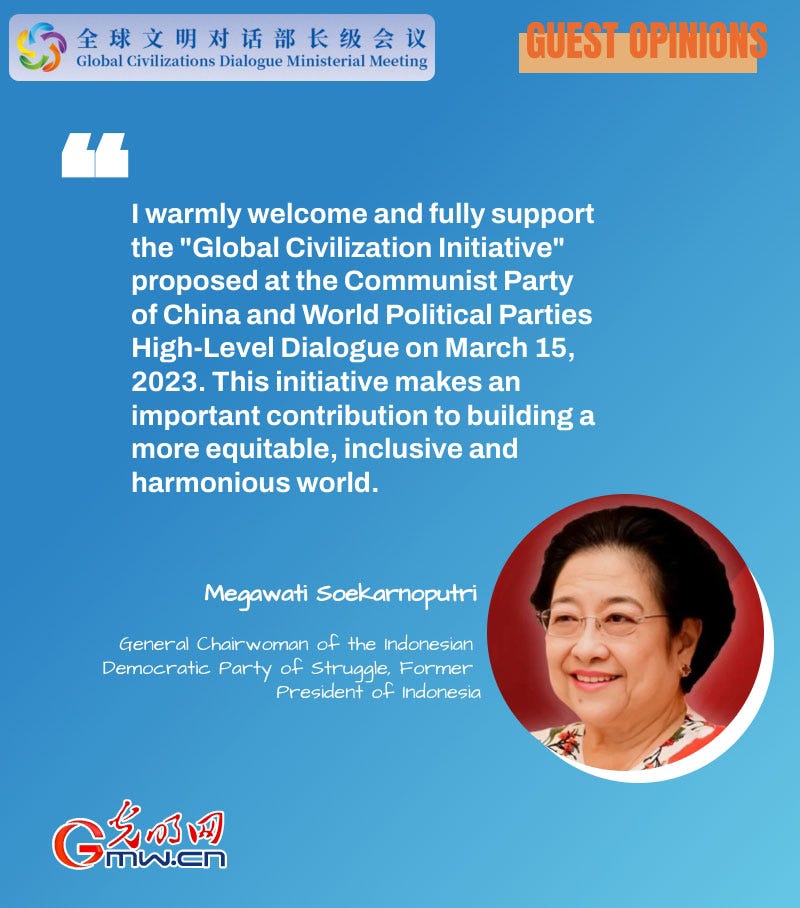
Naturally, there was a bit of fuss about the meeting in the pages of the People’s Daily, where a congratulatory letter from Xi Jinping made the front page on July 11. In his message, Xi stressed that at this critical juncture in international affairs, civilizational dialogue must transcend isolation and conflict. According to state media, the event attracted more than 600 political, cultural and educational leaders from approximately 140 countries and regions. Among the participants, featured in a CCTV+ video that received a paltry 247 views, was “American Tai Chi practitioner Jake Pinnick,” who called for dialogue and cooperation.
Also emerging from the event was a global“action plan” (行动计划) for civilization. The plan shows a strong focus on developing nations in the Global South. More on that in due course.