Archives: Dispatches

All Lingua Sinica Dispatches

Presidential Broadcast Service

The Presidential Broadcast Service, also known as the Bureau of Broadcast Services (PBS-BBS), traces its origins to a U.S. military radio station established during World War II by the U.S. Office of War Information. This 50-watt portable station, call sign KZSO, operated from inside a U.S. Navy submarine before accompanying soldiers from the United States Armed Forces in the Far East (USAFFE) during the invasion of Lingayen Gulf, held by the Japanese, in January 1945. After operating from makeshift Manila facilities, the station was renamed KZFM and transferred to Philippine government control in September 1946. It became DZFM in 1952 following international telecommunications protocols. The entity expanded in the 1960s with provincial stations in Baguio, Cebu, and Davao. Abolished during martial law in 1972, it was resurrected as the Bureau of Broadcast in 1973. After merging with the National Media Production Center under the Office of Media Affairs in 1980, the current Bureau of Broadcast Services structure emerged following the 1986 EDSA Revolution. It was renamed Presidential Broadcast Service in 2023.

China Newsweek

China Newsweek (中國新聞周刊), launched in January 2000, is a Beijing-based magazine published by China News Service (CNS). The publication produces editions in multiple languages including English, Japanese, Korean, Italian, and South Asian languages. CNS claimed the magazine has been “widely accepted by the mainstream society” due to what it called stories written with “keen, profound, incisive and original perspective.” The magazine gained some recognition in the 2000s for its professional reporting, including investigative coverage.

Nova Telecommunications and Media

Founded in 1995, Nova is Greece’s pioneering telecommunications and media company, introducing the country’s first internet, mobile telephony, and subscription television services. As a member of United Group, Southeast Europe’s largest telecommunications and media conglomerate, Nova emerged from the merger of Nova and Wind Hellas. The company serves approximately 5 million subscribers across subscription TV, broadband internet, mobile, and fixed telephony services. Leveraging its legacy of innovation and United Group’s international expertise and investment plans, Nova aims to “enhance daily life for Greek individuals and businesses while boosting their competitiveness within the European Union through comprehensive digital solutions”.

Propaganda Office of the Jinan Committee of the CCP

The Propaganda Office of the Jinan Committee of the CCP is the primary propaganda and media control organ at the city level in Jinan, overseeing ideological work, media supervision, and public communications. The department oversees all local broadcast, internet and print media, including the local CCP committee’s mouthpiece newspaper, Jinan Daily (濟南日報).

China International Youth Exchange Center

The China International Youth Exchange Center is a specialized agency under the Central Committee of the Communist Youth League of China (共青團中央) established in 2004 through the merger of the China-Japan Youth Exchange Center (中日青年交流中心) founded in 1985 and China Youth International Talent Exchange Center (中國青年國際人才交流中心) founded in 1993. Located in Beijing’s Third Embassy District (第三使館區) at 40 Liangmaqiao Road, it comprises 20 departments across exchange, operations, functional, and support divisions. CIYEC facilities include the 21st Century Hotel (二十一世紀飯店), Century Theater (世紀劇院), international conference halls, educational research buildings, Silver Olive Swimming Pool (銀橄欖游泳館), tennis courts, and the 21st Century Tower. With approximately 400 staff members, CIYEC hosts about 100 foreign delegations annually, maintaining partnerships across continents in politics, economics, culture, education, science, environmental protection, and innovation sectors to foster mutual understanding among global youth.

Propaganda Office of the Chongqing Committee of the Chinese Communist Party

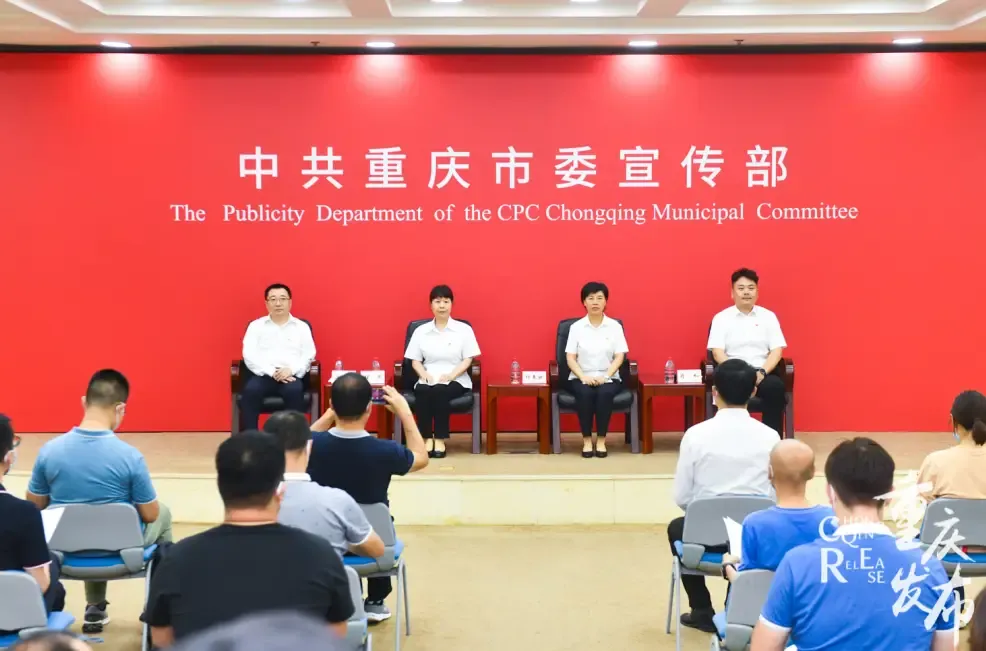
The Propaganda Office of the Chinese Communist Party’s Chongqing Municipal Committee serves as the chief office responsible for communicating the agendas of the local party leadership and overseeing state-run media in Chongqing, including the mouthpiece newspaper Chongqing Daily. It “coordinates party ideological work” throughout the city while simultaneously operating under multiple official names—including the Municipal Government Information Office, Municipal Press and Publication Bureau, and Municipal Film Bureau—allowing it to exercise comprehensive control over news, publishing, and cultural production. The department functions as the central enforcer of the party’s media discipline, ensuring all local outlets maintain proper political orientation in line with central and municipal level directives.

Ministry of Agriculture and Rural Affairs of the PRC

The Ministry of Agriculture and Rural Affairs of the People’s Republic of China is a cabinet-level executive department of the State Council responsible for agriculture and rural affairs nationwide. Formed on March 19, 2018, superseding the former Ministry of Agriculture, the ministry gained additional responsibilities from agricultural investment projects previously managed by other government departments. In 2023, it absorbed the National Rural Revitalization Administration and gained rural science and technology functions from the Ministry of Science and Technology as part of broader government restructuring. The ministry handles China’s “three rural issues” (三农问题) — agriculture, rural areas, and farmers — managing fisheries, animal husbandry, farmland resources, irrigation, agricultural mechanization, and food safety. It houses the Office of the Central Rural Work Leading Group and oversees China’s rural vitalization strategy, reflecting the government’s prioritization of agricultural modernization and rural development. The ministry can play a role, as most offices, in conducting external propaganda and public diplomacy around key areas within its remit — including advertising China’s claimed achievements in rural development and poverty alleviation for developing nations in the Global South.

Chongqing International Communication Center

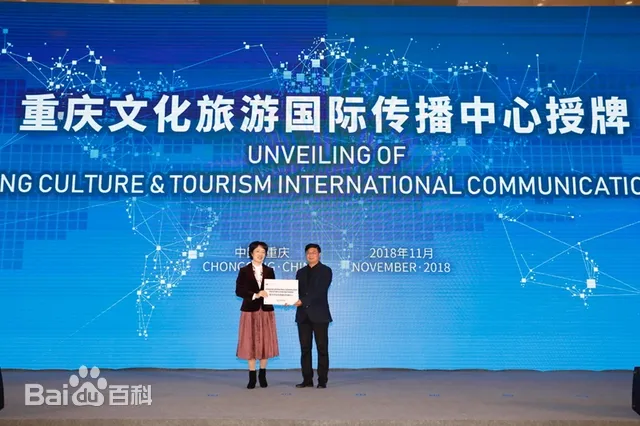
Established as China’s first provincial-level ICC, the Chongqing International Communication Center claims to serve as the “main force” for the city’s overseas promotion. Operated by Chongqing Daily News Group (重庆日报报业集团) under the guidance of the city’s Propaganda Department, the center manages iChongqing—a multi-platform media network targeting international audiences through Facebook, Twitter, YouTube, and other platforms censored within China itself. The center claims to have “expanded Chongqing’s overseas influence” through its foreign-language content, with officials reporting that Chongqing’s international exposure ranks “fifth nationally” and “first in western China.” In February 2024, it was upgraded to the Western International Communication Center (西部國際傳播中心), with 23 cultural and media organizations housed in its industrial park—the first such ICC industrial park in China, according to official statements.

Nigerian Federal Ministry of Information and National Orientation

The Federal Ministry of Information and National Orientation is a government ministry in Nigeria responsible for managing the country’s public image, information dissemination, and cultural promotion. Established in 1999 under President Olusegun Obasanjo, dissolved on January 11, 2007, and re-established in 2015 under President Muhammadu Buhari, the ministry is currently headed by Minister Mohammed Idris Malagi, who assumed office in August 2023. The ministry claims its mandate is to establish “a dynamic public information system” that provides citizens and global communities with “credible and timely information.” Its stated functions include “strategic communication of government policies,” promoting “national consciousness,” regulating media, developing “cultural values and awareness,” and managing the National Archives.