Distorted Headlines

Taiwan’s China Times misattributes academic quotes to Reuters, highlighting ongoing media literacy challenges in the country’s polarized information environment.
|

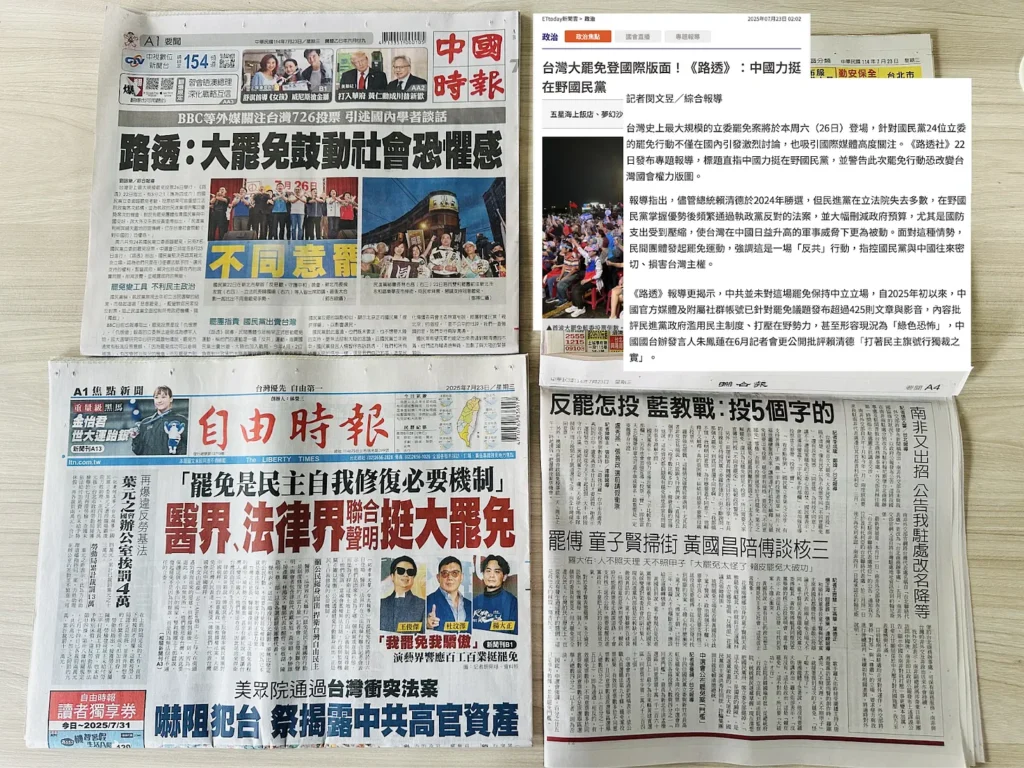
Taiwan’s China Times (中國時報) sparked controversy last month by mistranslating a Reuters report about parliamentary recalls. The paper’s headline claimed “Reuters: Mass Recalls Stoke Social Fear” (路透:大罷免鼓動社會恐懼感). In fact, the quoted assessment came not from Reuters but from National Chengchi University professor Huang Kuei-po (黃奎博).

Reuters reporter Lee Yimou (李憶慕) quickly corrected the misrepresentation on social media, sharing the accurate translation and encouraging readers to practice “media literacy” (媒體識讀). The incident highlights broader concerns about editorial standards and information accuracy amid Taiwan’s contentious recall campaigns, where media outlets across the political spectrum face accusations of bias in their coverage of cross-strait politics.

Lingua Sinica is an interactive online resource under the China Media Project (CMP) that explores the capacity and sustainability of Chinese-language media environments globally in their full domestic context and traces the lines of impact and engagement by PRC media and institutions.

More Stories from this Region

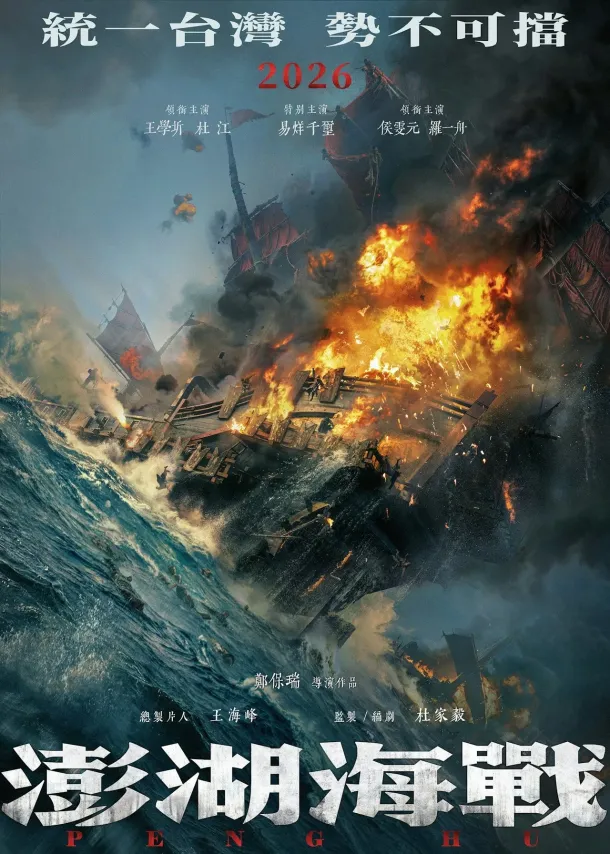
Beijing’s film celebrating the 1683 conquest of Taiwan backfires,prompting authorities to censor criticism.
Beijing’s official news agency pushes “one country, two systems” talks for Taiwan.
KMT chair’s Russia remarks spark debate, but the interviewer’s confrontational style draws criticism from veteran Taiwan journalists.
Oversimplified social media posts— even if the reporting behind them is sound — can land professional media in the muck.
AI-generated protest videos on TikTok blur reality, showing how disinformation cuts in many directions.
A Japanese political scientist accuses a paper in Taiwan of fabricating quotes in its coverage of Taiwan’s KMT leadership election.