Italian Film Wins at Golden Rooster Awards

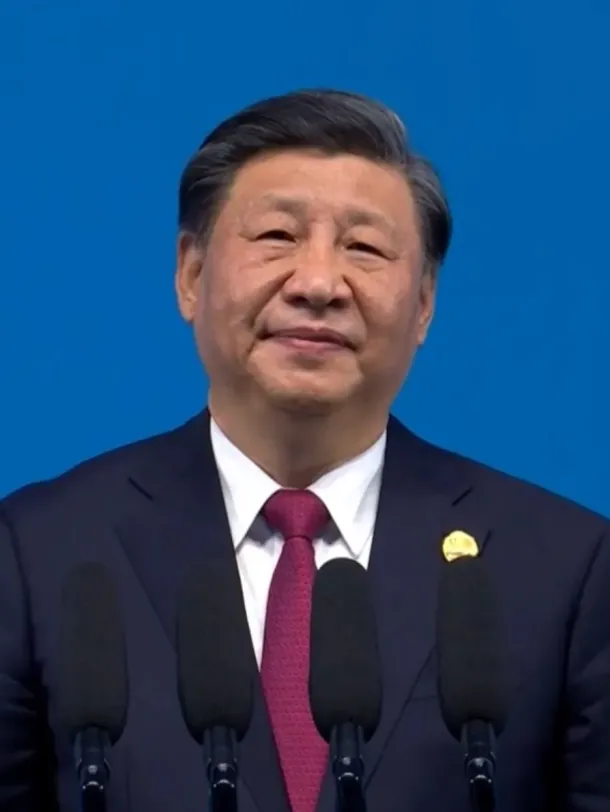
The Italian film production “C’è ancora domani” (還有明天), or “There’s Still Tomorrow,” a film dealing with themes of domestic abuse and women’s emancipation, won the Best Foreign Film award at the 38th Golden Rooster Awards (中國電影金雞獎) on November 15. The annual state-sponsored film awards event, first inaugurated in 1981, is regarded as the premier film event in the People’s Republic of China, and is its answer to Taiwan’s more longstanding (and often better regarded) Golden Horse Awards.
The GRA’s, as they are often called, have generally focused on blockbuster productions, and have been criticized for their commercial pomp and circumstance, while Taiwan’s GHA’s have attracted more artistic films from across Asia. “There’s Still Tomorrow,” a black-and-white drama set in 1946 Rome, during a pivotal time when women in Italy first achieved their right to suffrage, was perhaps a more artistic choice than usual for the Chinese festival. But the film, the directorial debut by actress and comedian Paola Cortellesi, has also enjoyed undoubted commercial success in China. Released in the country on March 8 for International Women’s Day, the film earned more than six million dollars during a four-week theatrical run, attracting more than one million filmgoers — and achieving a 9.4/10 rating on Douban (豆瓣), China’s leading film review platform. This performance made China the second-largest market in the world for the film after Italy.Co-organized by the China Film Association (中國電影家協會), an official body under the Central Propaganda Department-run China Federation of Literary and Art Circles (中國文學藝術界聯合會), the Golden Rooster Awards were previously held every two years. Since 2019, they have been held every year in the city of Xiamen, as the government in Beijing has sought to establish an alternative to the GHA’s held just over 300 kilometers away across the Taiwan Strait.