The United Nations released a video last week called “The Meaning of Democracy” (民主的意義) on YouTube and on Chinese platforms Bilibili and Weibo that described democracy as the “fairest, most inclusive and most adaptive form of governance.” The video prompted lively chatter on Bilibili, also known as “Bzhan,” with one user wryly remarking that “the meaning of democracy is that you can express different opinions about this video without it being deleted.” The comment quickly vanished from the platform’s comment section — the disappearance itself documented and shared.
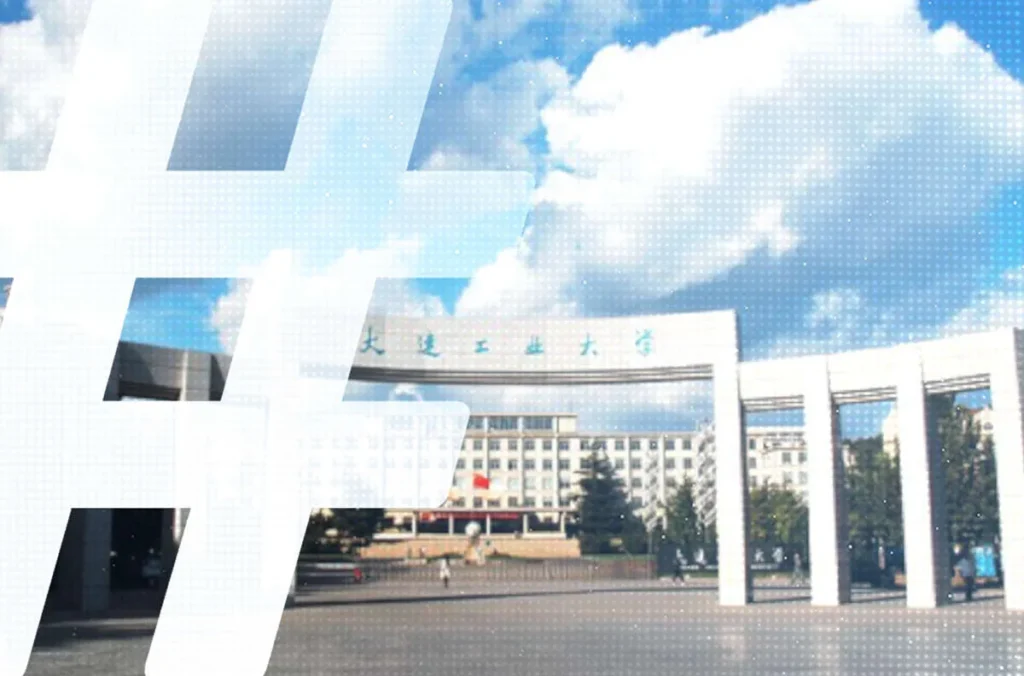
In a story that topped headlines and internet chatter in China last week, Dalian Polytechnic University in China’s northern Liaoning province sparked outrage by expelling a 21-year-old female student for appearing in videos posted nearly seven months ago to the Telegram account of a visiting Ukrainian esports player. Videos of the student in the visitor’s hotel room showed nothing sexually explicit, and it was unclear why the videos had become an issue now, but the university responded vehemently with a public statement naming the student and accusing her of “improper association with foreigners” (与外国人不当交往) that had “damaged national dignity and the school’s reputation” (有损国格、校誉).
Featured photos on much Chinese-language media coverage of this story perpetuated abuse against the victim by reposting video stills. How about we post this image of the culprit, Dalian Polytechnic, instead?
The story ignited a fierce debate across Chinese social media over institutional overreach and gender double standards, trending on Weibo on July 13. Media commentator Zhang Feng (张丰) criticized “sexual nationalism,” arguing that while Chinese men dating foreign women might be seen as acceptable or even deserving praise, the opposite invites fury among sexist males who see Chinese women as property of men and the state. Xiaoxi Cicero (小西cicero), a writer who posts on WeChat, asked whether the same nationalist uproar and expulsion would have followed had a young Chinese man been shown on video with a visiting foreign woman.
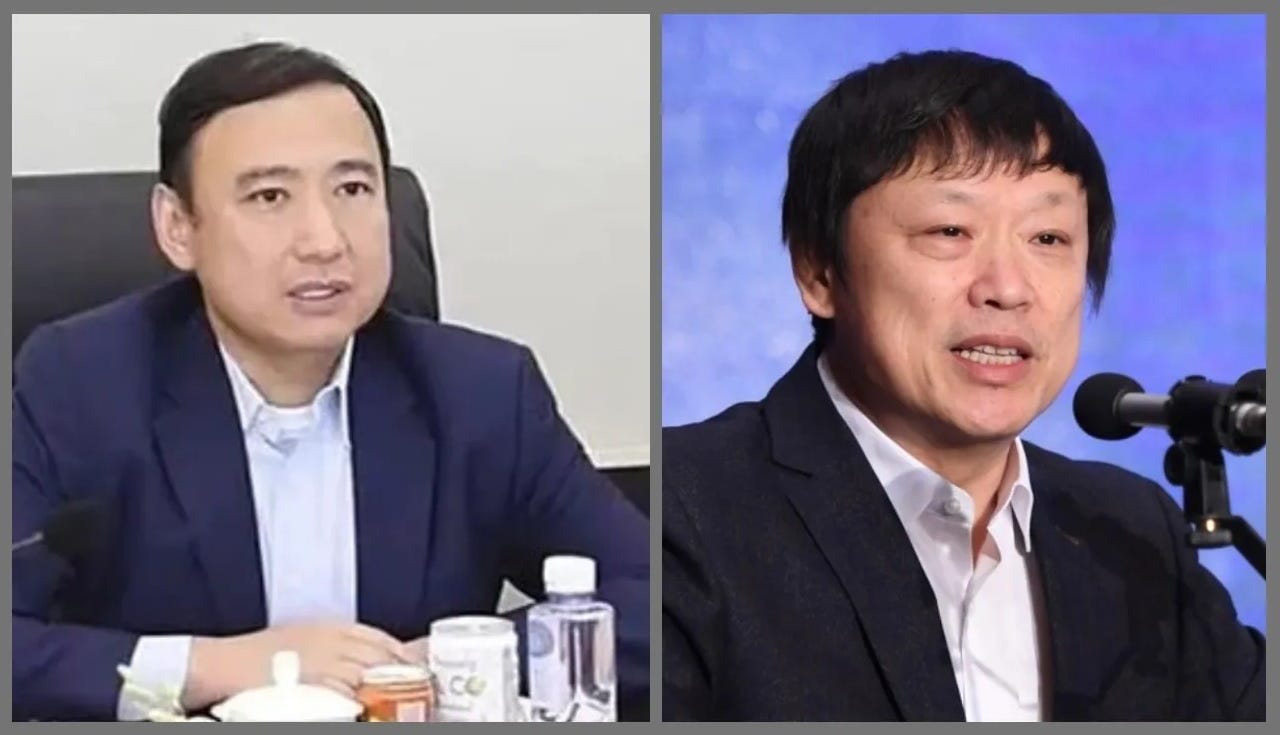
A social media frenzy erupted last week after machine translation errors incorrectly identified James Hu, Morgan Stanley’s newly appointed vice chairman for China, as Hu Xijin (胡錫進), the controversial former editor-in-chief of the Global Times, Sing Tao Online reported (星島網). The confusion spread when screenshots began circulating on Chinese social media, with one international affairs expert joking that translation software had “terrified” the real Hu Xijin. In reality, Morgan Stanley had appointed Hu Jiguang (胡霽光), grandson of former Communist Party General Secretary Hu Yaobang (胡耀邦) and an experienced investment banker. His sister, Hu Zhizhi (胡知鷙), currently serves as vice chairwoman at UBS Securities, marking the family’s prominence in international finance.
At left, Morgan Stanley’s James Hu is definitely not Hu Xijin (right), the former editor-in-chief of the Global Times.