
Tag: Mainland Affairs Council

Bullying Bylines

China’s government-run Xinhua News Agency published three consecutive commentaries on October 26, 27, and 28 under the byline “Zhong Taiwen” (鍾台文), a homophone for “China Commentary on the Taiwan Issue.” The articles called for cross-strait negotiations on a “one country, two systems” arrangement with “patriots governing Taiwan” (愛國者治台) after unification. Taiwan’s Mainland Affairs Council responded that Beijing seeks to replicate Hong Kong’s model where “patriots” means Communist Party loyalists, and warned that “Taiwanese will not be fooled.”
Media Malfeasance

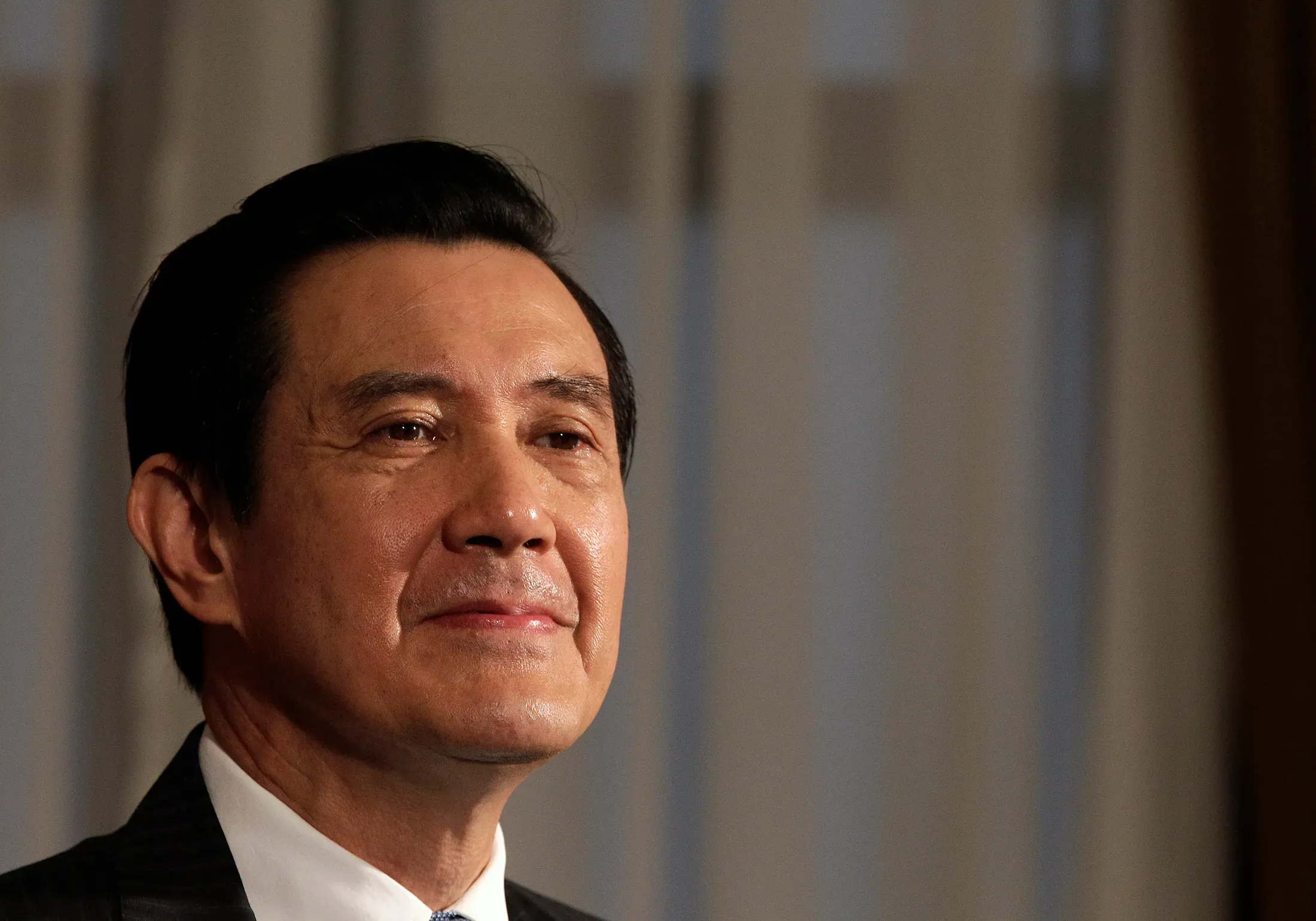
Taiwan’s Mainland Affairs Council (陸委會) severely condemned the China Times (中國時報) newspaper on June 18 for falsely reporting that former president Ma Ying-jeou (馬英九) had reported his China itinerary to the MAC before attending the Cross-Strait Forum in Xiamen on June 15, and that the council had leaked information to specific media outlets. Ma, the MAC said, is no longer required to report travel plans to mainland China, and had not submitted any meeting details for his recent trip. The reporting of false information by the China Times, the council said, was particularly egregious following corrections made publicly two days before the outlet’s report. The incident highlights ongoing tensions between government agencies in Taiwan and pro-Beijing media outlets.

Pro-China Snack Attack

Taiwan’s Mainland Affairs Council (MAC) condemned Want Want China Times Media Group (旺旺中時媒體集團) for making comments at the Cross-Strait Chinese Culture Summit in Beijing that it said damaged Taiwan’s sovereignty, adding that it would investigate if the group had colluded with China and contravened cross-strait regulations. “We are Chinese,” Want Want Holdings general manager Tsai Wang-ting (蔡旺庭) said at the May 28 summit, referring to China as the “motherland” and Taiwan as “China Taiwan.”

The MAC said the media group, which frequently conveys what critics in Taiwan regard as pro-China positions, had become “a pawn in the CCP’s united front work against Taiwan.” It said it would examine whether Want Want’s actions violated regulations prohibiting cooperation with China’s party, government, or military apparatus. Tsai Wang-ting is the third son of firm founder Tsai Eng-meng (蔡衍明), who succeeded his father as chairman of the snack food company Want Want China in 1987.