Tag: Media freedom

Sources in Arms

In a crackdown earlier this year that sent ripples through China’s popular online gay erotica scene, known as “Boys’ Love” fiction, or BL, police engaged in cross-border “remote fishing” (遠洋捕撈) operations that swept up mostly female writers publishing on a Taiwan-based platform called Haitang Literature City (海棠文化線上文學城).

Yesterday, our Chinese-language sister publication Tian Jian (田間) published an in-depth account based on the experiences of Chinese journalists who worked against the odds to break the media silence. The reporters encountered numerous obstacles, including sources too frightened to speak, editors rejecting story pitches (because Haitang’s servers were in Taiwan), and the constant fear of becoming targets themselves. Despite the risk, the journalists affirmed the importance of the work — and the closeness that can develop with sources. “When you do sensitive reporting, it’s very special,” one reporter told Tian Jian. “It’s like [journalists and sources are] engaged in battle side-by-side, strategizing together about how to keep everyone safe.”

Read the full story HERE.
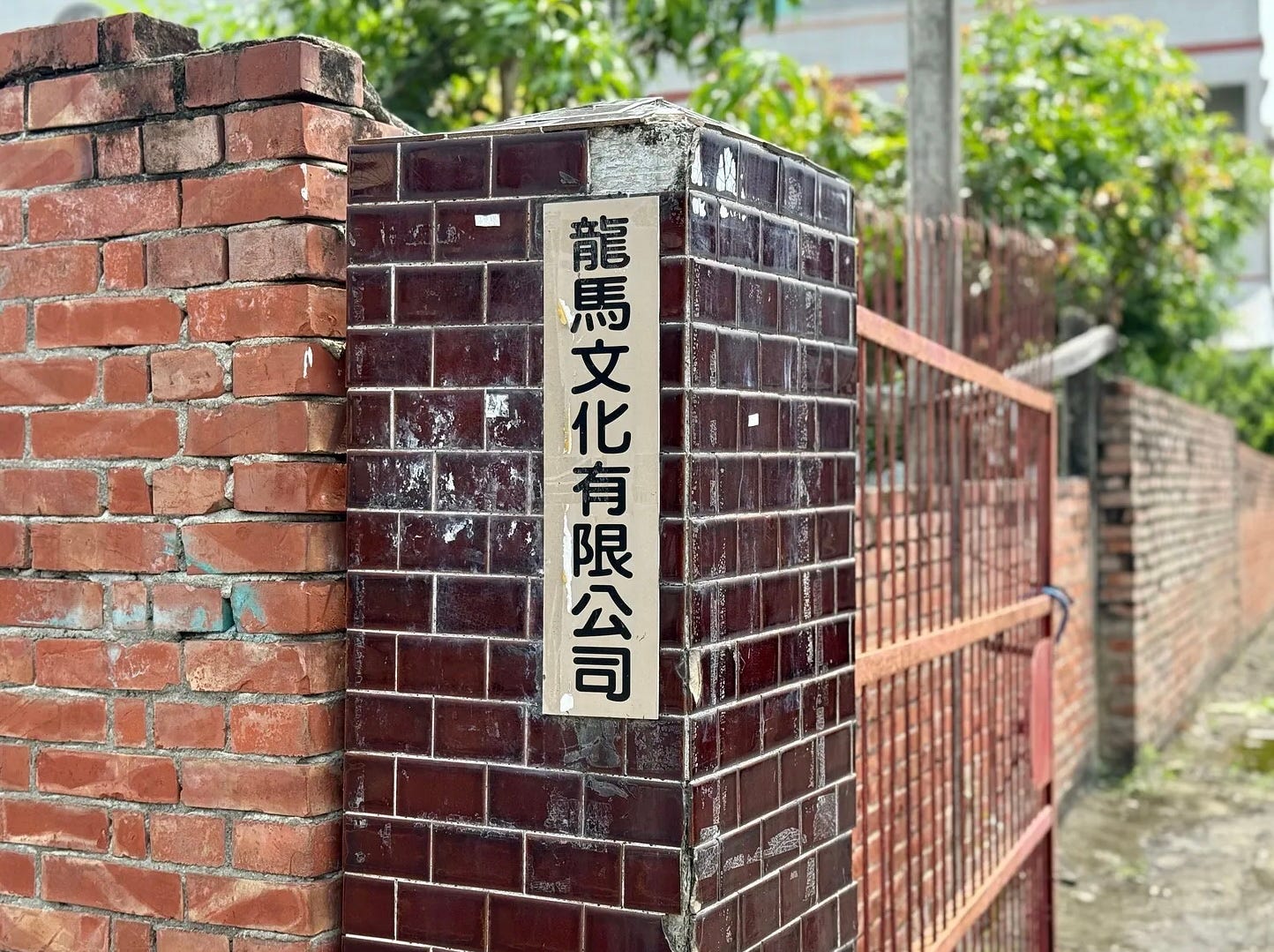
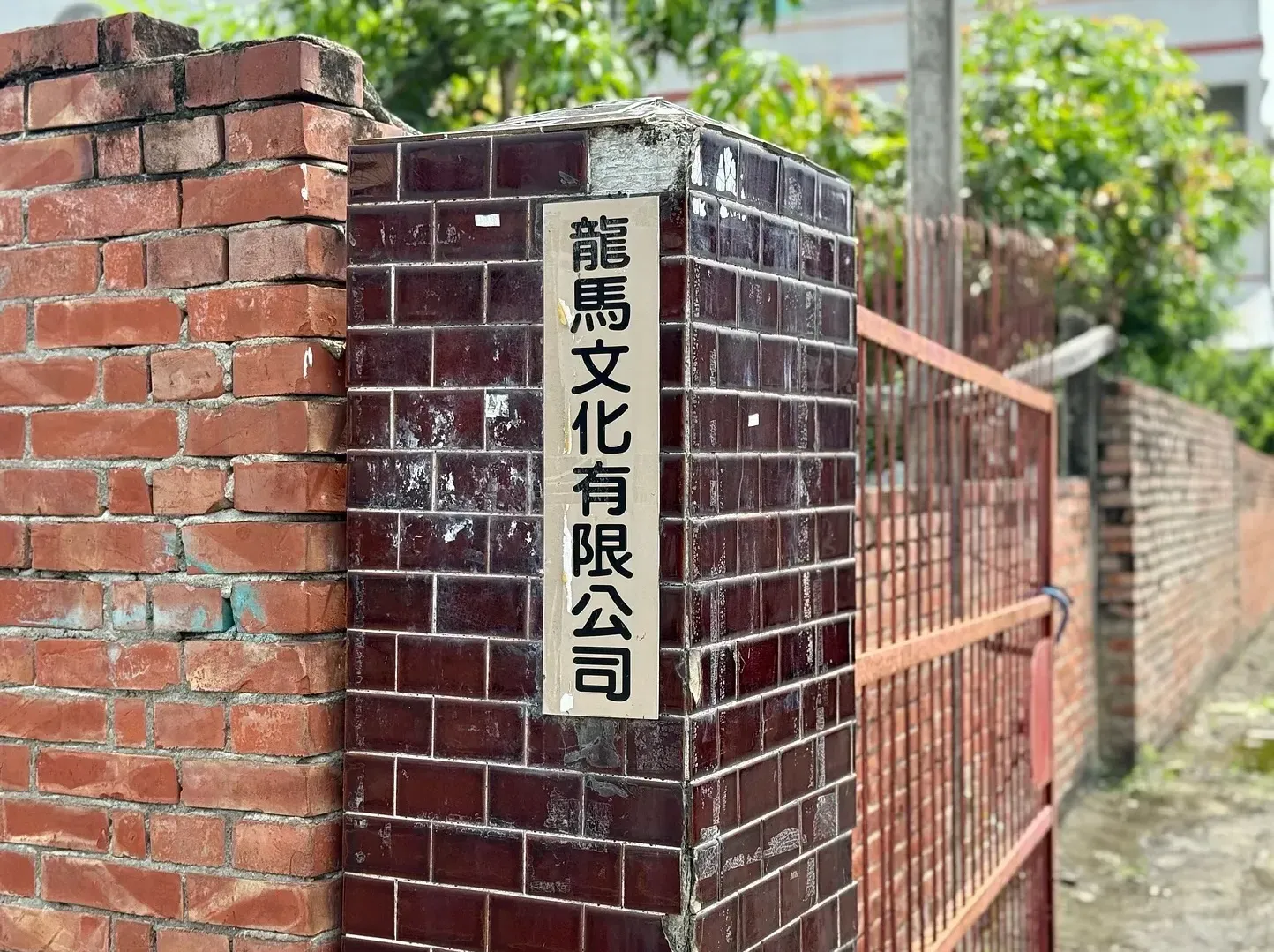
The parent company of ‘Haitang Culture Online Literature City’ is Longma Culture Company, located in Yunlin, Taiwan. Photo by Chien Heng-yu, Tian Jian.

Ars Censura

Taiwan’s arts sector faces systematic Chinese influence, with publishers changing “Taiwan” to “Taipei” for Hong Kong awards and media companies replacing writers who express political views on China and Taiwan. That, anyway, is the conclusion reached by the independent Taiwanese outlet b.l!nk in a recent pair of reports published on September 5 and 6 (here and here). According to the reports, cultural exchange programs disguise unification messaging as business partnerships. One editor wrote: “Through media exchange programs, they give your company money while spreading unification ideas during activities.”

Unsuspecting Singapore

Last week, Singapore’s top digital development and information official, Josephine Teo (杨莉明), revealed that just one quarter of Singaporeans can distinguish between deepfake and authentic videos, citing a recent Cyber Security Agency survey. Speaking at the Singapore Press Club awards ceremony July 16, Teo emphasized the critical role of trusted media in an era of information manipulation, warning that authorities must prevent malicious actors from exploiting Singapore’s information space while building “a resilient ecosystem where truth can stand independently” (一个真相能够独立存在 …. 的生态系统). The comments come two months after Reporters Without Borders ranked Singapore 126th out of 180 countries in its latest press freedom index, citing the city-state as “an example of what not to be” on media freedoms.

Josephine Teo. SOURCE: Wikimedia Commons.

Courtroom Press

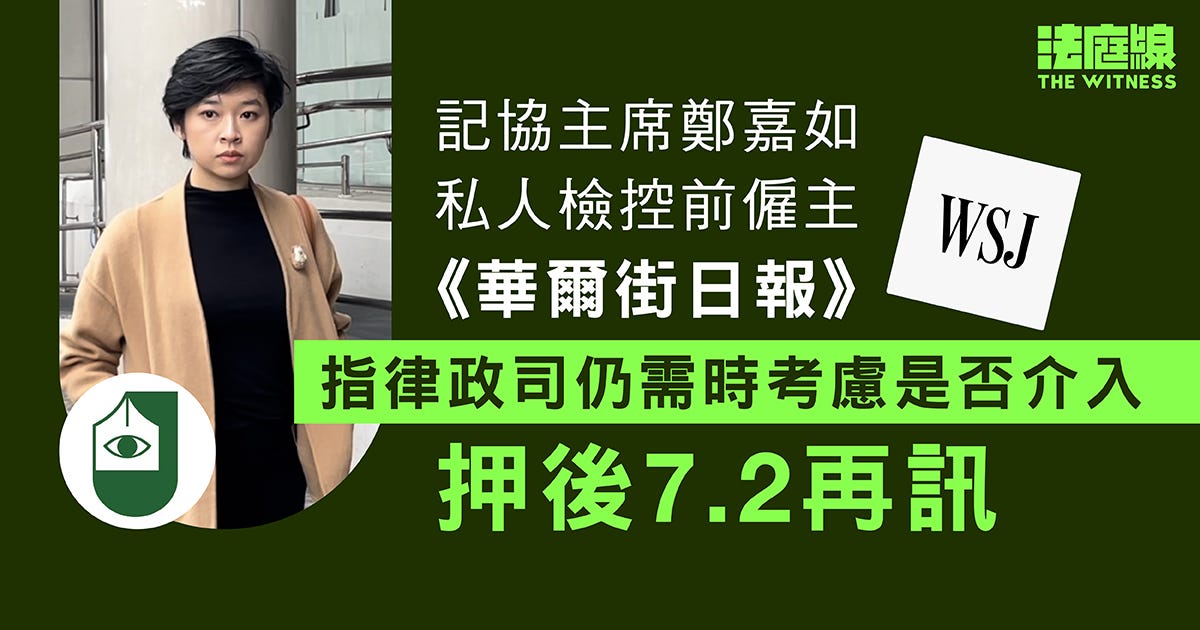
Hong Kong journalist Selina Cheng (鄭嘉如), the chairperson of the Hong Kong Journalists Association (HKJA) who contends that she was illegally dismissed in July last year by the Wall Street Journal after her election to her HKJA position, appeared in Eastern Magistrates’ Court Tuesday through legal representatives in her private prosecution against her former employer. According to the court reporting outlet The Witness (法庭線), Cheng’s case involves two charges claiming her employer demanded she withdraw from the HKJA election and later terminated her employment for holding the position. Barrister Ma Ah-shan (馬亞山) represented Cheng in the proceedings, which were adjourned until July 2 by Principal Magistrate So Man-lung (蘇文隆). Hong Kong’s Department of Justice reportedly has requested additional time to consider intervention in the case — possibly considering its unwanted visibility on the question of deteriorating press freedoms in Hong Kong.

Report on the Selina Cheng case. SOURCE: The Witness.

“C” is for Closure

Hong Kong online media outlet Channel C, an independent site founded in July 2021 by former journalists from Apple Daily (蘋果日報), ceased online updates more than a week ago, on April 23, as its 29 editorial staff halted work over unpaid wages and benefits. Channel C’s troubles deepened in mid-April after owner Chen Zhixing (陳智行) was arrested for allegedly defrauding a government loan program of HK$12 million.

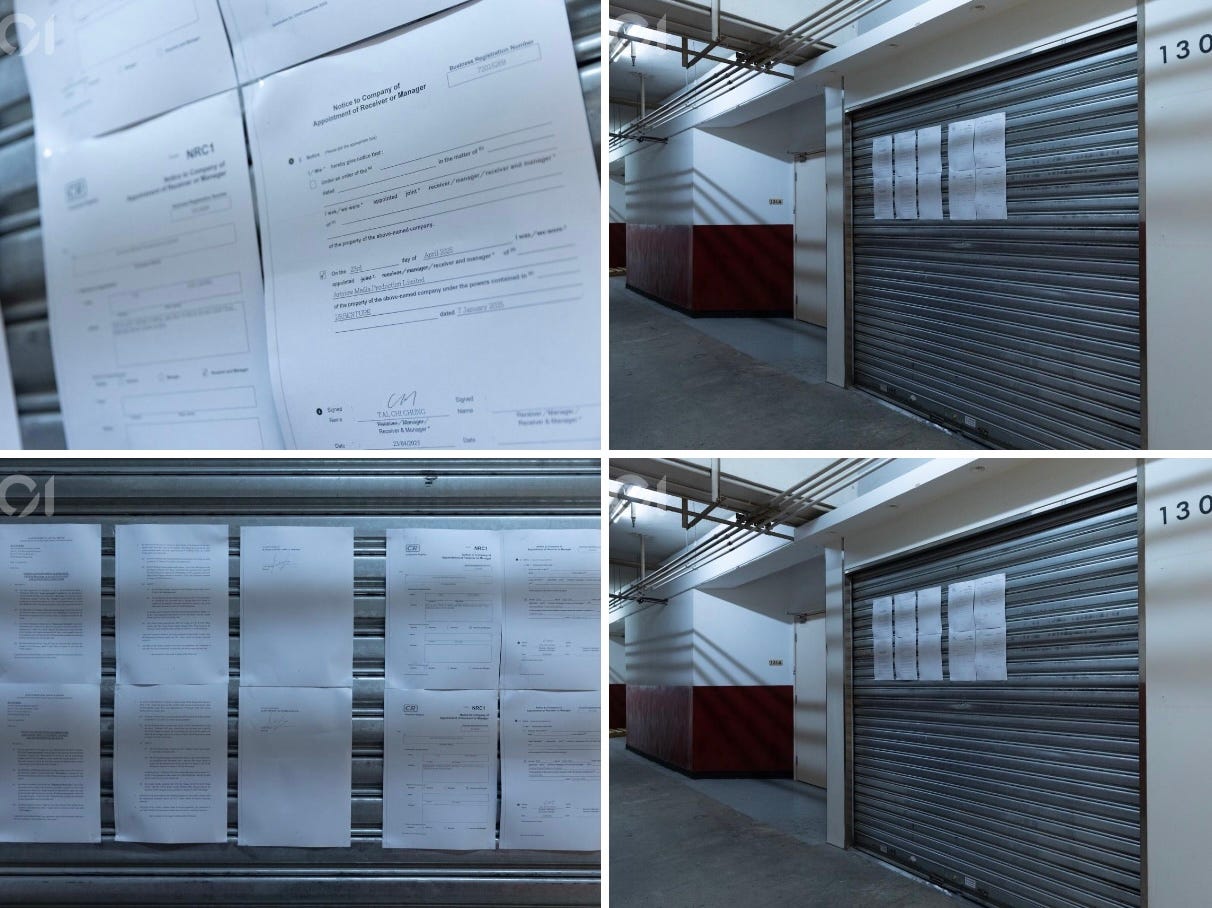
Reporting on the story, the news outlet HK01 included images of a takeover notice posted by a creditor, JL Investment Capital Limited, outside Channel C’s shuttered Kwai Hing office on April 25. According to HK01, the debt holder had offered HK$100,000 monthly, or just under 13,000 US dollars, to allow Channel C to maintain operations. But this fell far short of the estimated HK$470,000 required monthly to sustain full staffing, and the outlet’s staff reportedly rejected this proposal, which they said showed no sincere long-term commitment to quality journalism. Channel C’s parent company, Artview Production Limited, has had its accounts frozen since mid-April.

Takeover notices posted outside the offices of online media outlet Channel C last month.

A Terminal Crisis for Chinese Television

Initium Media (端傳媒) published an extraordinary inside look earlier this month at the deep challenges facing official Party-run media in China, particularly television networks caught between political control and financial viability — with television audiences left out of the equation. The deeply reported piece reveals how corruption has become normalized as a survival mechanism. China’s nearly 2,500 television stations face deep financial pressures, with insiders describing them as “living like beggars” (大家都是过着要饭的日子). At China Central Television (CCTV), reporters’ salaries have plummeted while top executives often offer public relations services on the side, and news anchors hawk products via livestreams. Local station reporters earn as little as 800 yuan (110 dollars) monthly, which must be supplemented by commissions from commercial activity.

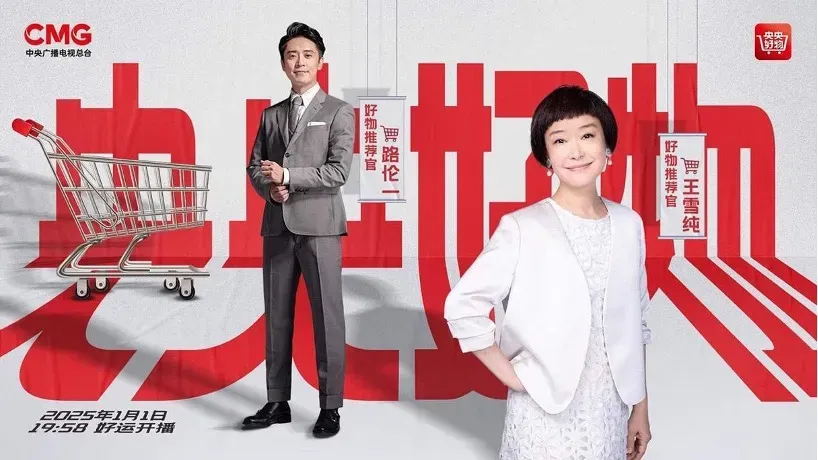
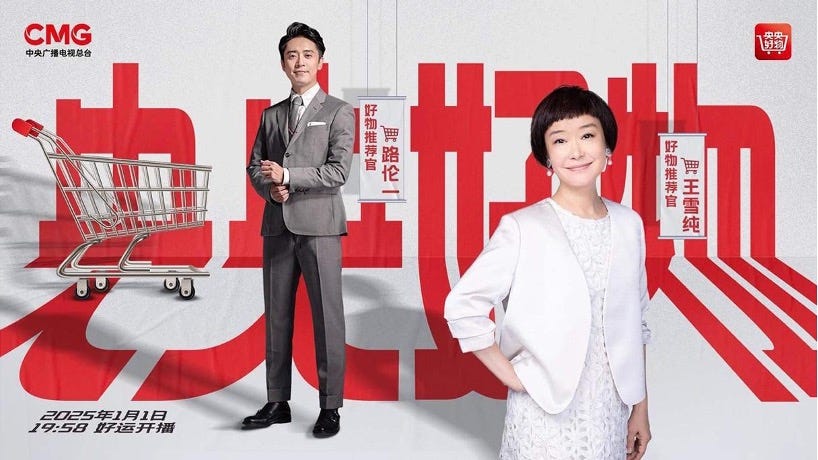
An ad from the China Media Group (CMG), the conglomerate directly under the CCP’s Central Propaganda Department, for a shopping show launched on January 1.

The core problem is political: increasingly stringent content restrictions have made meaningful programming impossible. As one CCTV producer candidly admitted, everyone knows the solution — allow creative freedom and programs that respond to people’s concerns — “but none of these things are possible.” The inevitable result, according to a propaganda official, is that “television will gradually die out.”

To learn more, read our full translation, or try the original must-read at Initium.