Sources in Arms

An in-depth story from CMP’s Tian Jian revealed how Chinese journalists faced risk to report on Beijing’s cross-border crackdown targeting female erotica writers on a Taiwan platform.
|

In a crackdown earlier this year that sent ripples through China’s popular online gay erotica scene, known as “Boys’ Love” fiction, or BL, police engaged in cross-border “remote fishing” (遠洋捕撈) operations that swept up mostly female writers publishing on a Taiwan-based platform called Haitang Literature City (海棠文化線上文學城).

Yesterday, our Chinese-language sister publication Tian Jian (田間) published an in-depth account based on the experiences of Chinese journalists who worked against the odds to break the media silence. The reporters encountered numerous obstacles, including sources too frightened to speak, editors rejecting story pitches (because Haitang’s servers were in Taiwan), and the constant fear of becoming targets themselves. Despite the risk, the journalists affirmed the importance of the work — and the closeness that can develop with sources. “When you do sensitive reporting, it’s very special,” one reporter told Tian Jian. “It’s like [journalists and sources are] engaged in battle side-by-side, strategizing together about how to keep everyone safe.”

Read the full story HERE.
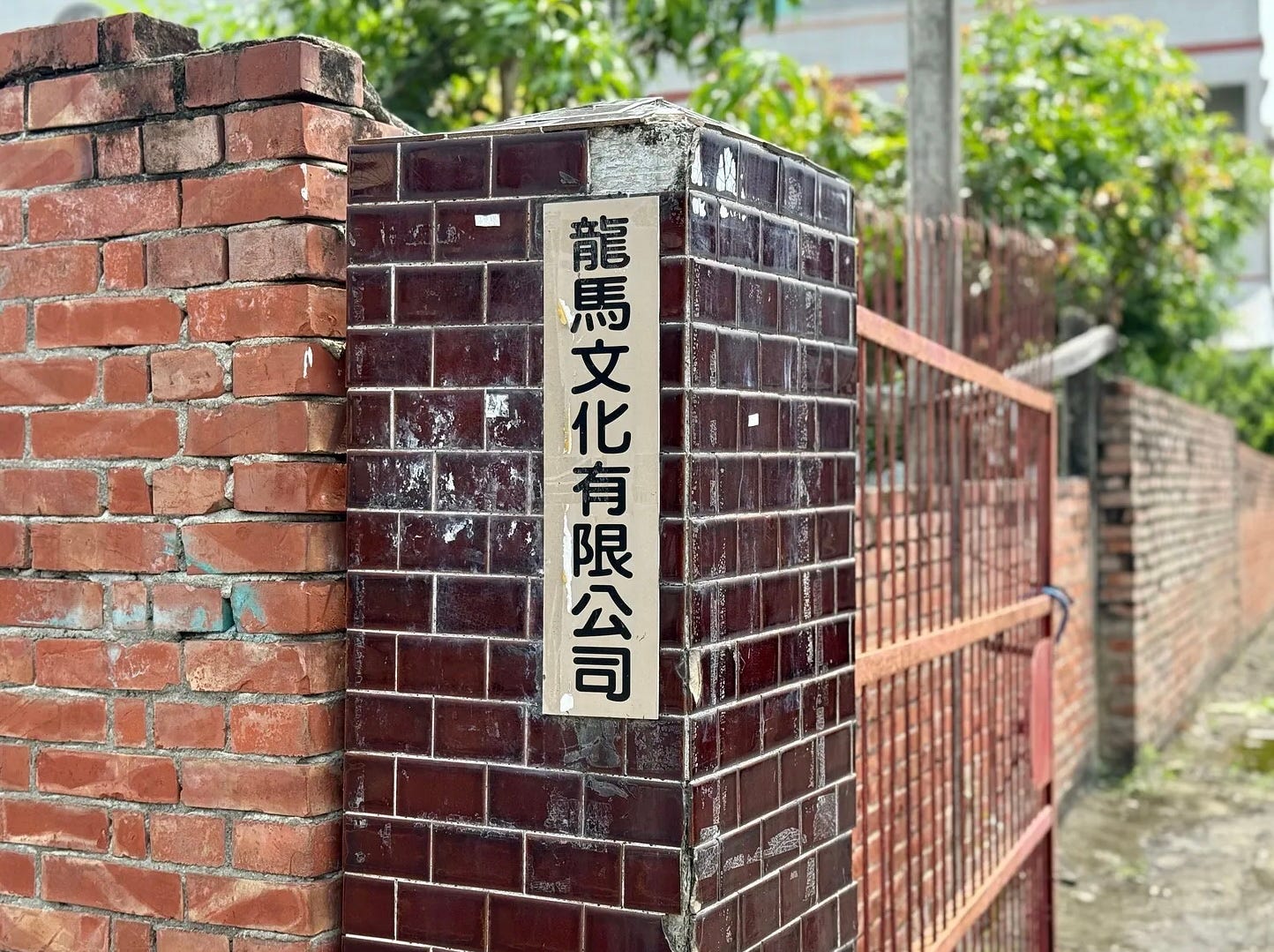
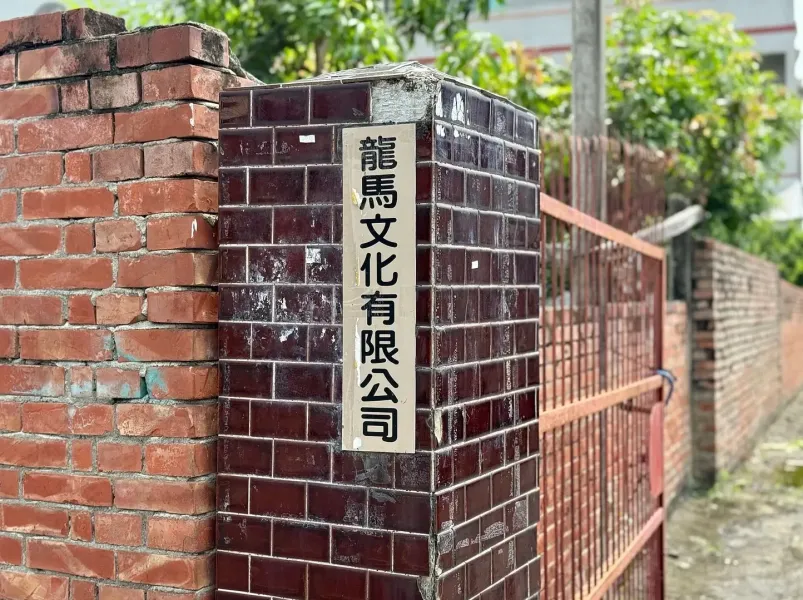
The parent company of ‘Haitang Culture Online Literature City’ is Longma Culture Company, located in Yunlin, Taiwan. Photo by Chien Heng-yu, Tian Jian.


Lingua Sinica is an interactive online resource under the China Media Project (CMP) that explores the capacity and sustainability of Chinese-language media environments globally in their full domestic context and traces the lines of impact and engagement by PRC media and institutions.

More Stories from this Region

While journalism cultures around the world grapple seriously with the impact of AI, China’s closed and repressive media system can only celebrate the trend as a technolo…
On the eve of International Women’s Day this month, China shut down at least ten WeChat accounts — part of a widening censorship campaign tied to Beijing’s push to rever…
Two recent cases in Hubei province suggest authorities are shifting from targeting VPN operators to punishing ordinary users.
As China’s leaders gathered in Beijing to chart the country’s future amid economic uncertainty, state media sought to shift the focus — bottling up more critical coverag…
China is shutting down hundreds of local TV and radio channels — and rebuilding its propaganda apparatus online.
China’s leader maintained a commanding lead in the headlines of the CCP’s flagship People’s Daily in 2025, despite a substantial decline over the past year. What do thes…