
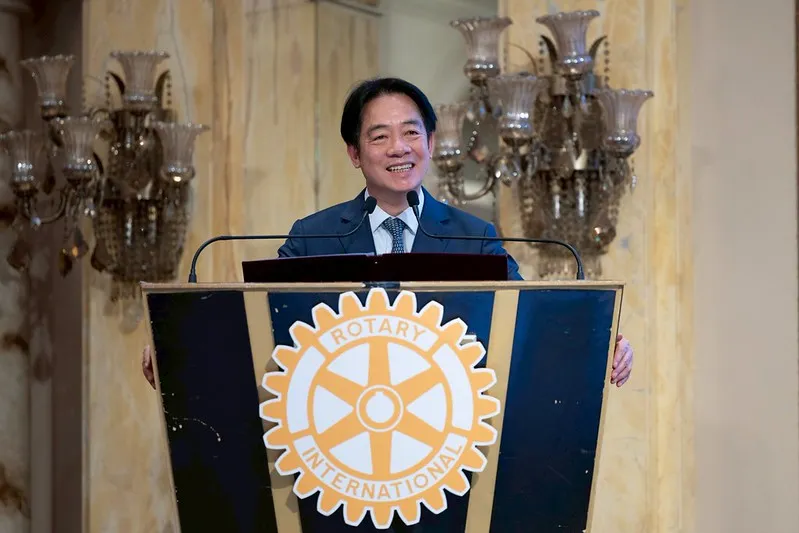
President Lai Ching-te (賴清德) of Taiwan’s ruling Democratic Progressive Party (DPP) launched his “Ten Talks on National Unity” (團結國家十講) series June 22 with a sweeping historical narrative designed to reinforce Taiwan’s sovereignty amid deep political divisions surrounding constitutional gridlock, legislative paralysis, and an unprecedented recall campaign targeting 24 lawmakers from the opposition Kuomintang (KMT). Dismissing Taiwan as “the island” and referring to Lai’s “so-called Ten Talks on National Unity,” China’s state-run Global Times (環球時報) described the initiative as “a desperate political show” and “hypocritical political rhetoric.” The Chinese Communist Party’s People’s Daily newspaper fired back with a commentary the same day under the official pen name Wang Ping (王平), which has been used as a moniker for denunciation of politics in Taiwan.
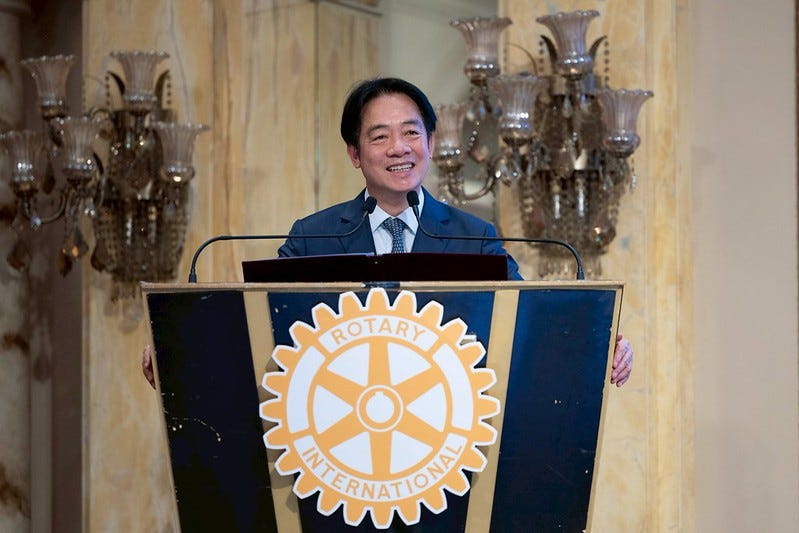
Speaking to members of Rotary International (國際扶輪社), an international service organization first formed in Taiwan in 1948 and having a strong connection to business leaders and professionals in the country, Lai deployed familiar talking points about Taiwan’s prehistoric independence — from 40,000-year-old mammoth fossils to Austronesian cultural origins — while poking holes in the CCP leadership’s “One China” principle through legal particulars surrounding UN Resolution 2758. The speech was made available through Lai’s Facebook account. Opposition critics immediately denounced the talks as political theater designed to shore up support ahead of the mass slate of recall votes on July 26.


