Tag: DPP

Attention Hogs

News&Market (上下游新聞), a niche Taiwan media outlet focusing on agriculture and environmental issues since 2011, found itself embroiled in controversy over social media framing after posts on Facebook promoting its relatively balanced coverage of Taiwan’s first African swine fever outbreak in seven years triggered allegations of bias in favor of the opposition Kuomintang (KMT) party — and escalated into questions about its financial backing.

The controversy began when News&Market’s social media posts framed its outbreak coverage in ways critics saw as deflecting blame from KMT officials currently leading the local government in Taichung, where the outbreak was confirmed on October 21. One Facebook post asked: “Is Taichung really the outbreak’s source? The answer isn’t that simple.” While the underlying reporting examined systemic failures across both local and national governments — ranging from inadequate enforcement of food waste sterilization to gaps in veterinary care — the social media packaging triggered allegations of bias as it seemed to give Taichung officials a pass and lay blame instead on the national government, currently run by the Democratic Progressive Party (DPP). As skepticism grew online, users questioning the perceived slant began probing the outlet’s funding sources. In Taiwan’s divisive political environment, KMT alignment can often be perceived by “pan-green” DPP supporters as simply pro-China.

The outlet denied allegations of Chinese funding on October 30, saying its operations are supported by “small donations and market product sales.” Risking further speculation, however, it has so far not provided financial data or verifiable documentation of these revenue sources.

The case is a sobering illustration of how intentionally viral social media posts about the news — regardless of its actual reporting quality — can lead to an outbreak of questions about credibility, especially against a backdrop of political divisiveness.
Taiwan’s first African swine fever outbreak in seven years in late October sparked controversy over coverage by News&Market, a niche outlet focusing on agriculture. For illustrative purposes only. SOURCE: Pixabay.

Pulp Politics

You might call it an ink insurgency. As Taiwan’s so-called Great Recall” (大罷免) movement, a wave of campaigns to remove newly elected legislators through citizen petitions, has taken the country by storm, creative print media initiatives have emerged to reach voters in traditional strongholds for the Kuomintang (國民黨) party, whose members tend to be older and more politically conservative — and much less digital savvy — than their counterparts in the ruling Democratic Progressive Party (DPP). According to a fascinating report by the watchdog organization Watchout (沃草), these print strategies aim to connect with digitally-disconnected constituencies as campaigners face a 60-day window to gather a sufficient number of signatures to push recall actions.

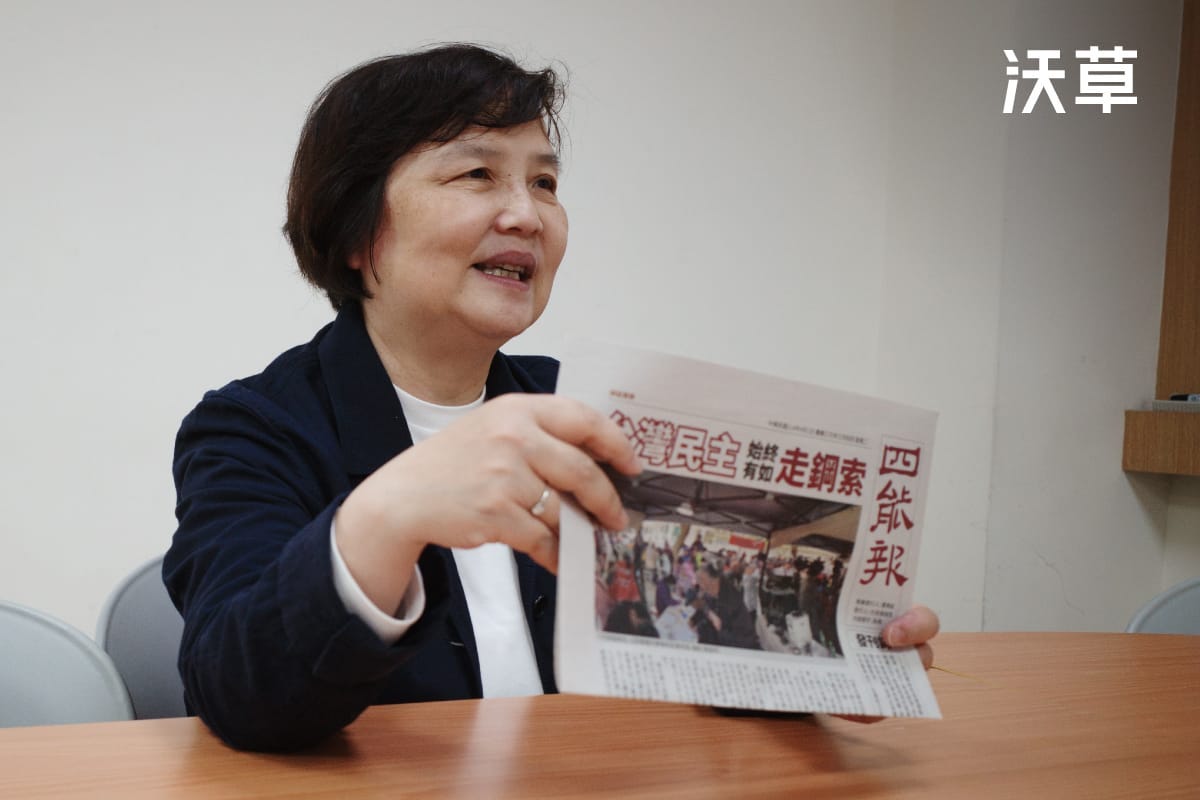
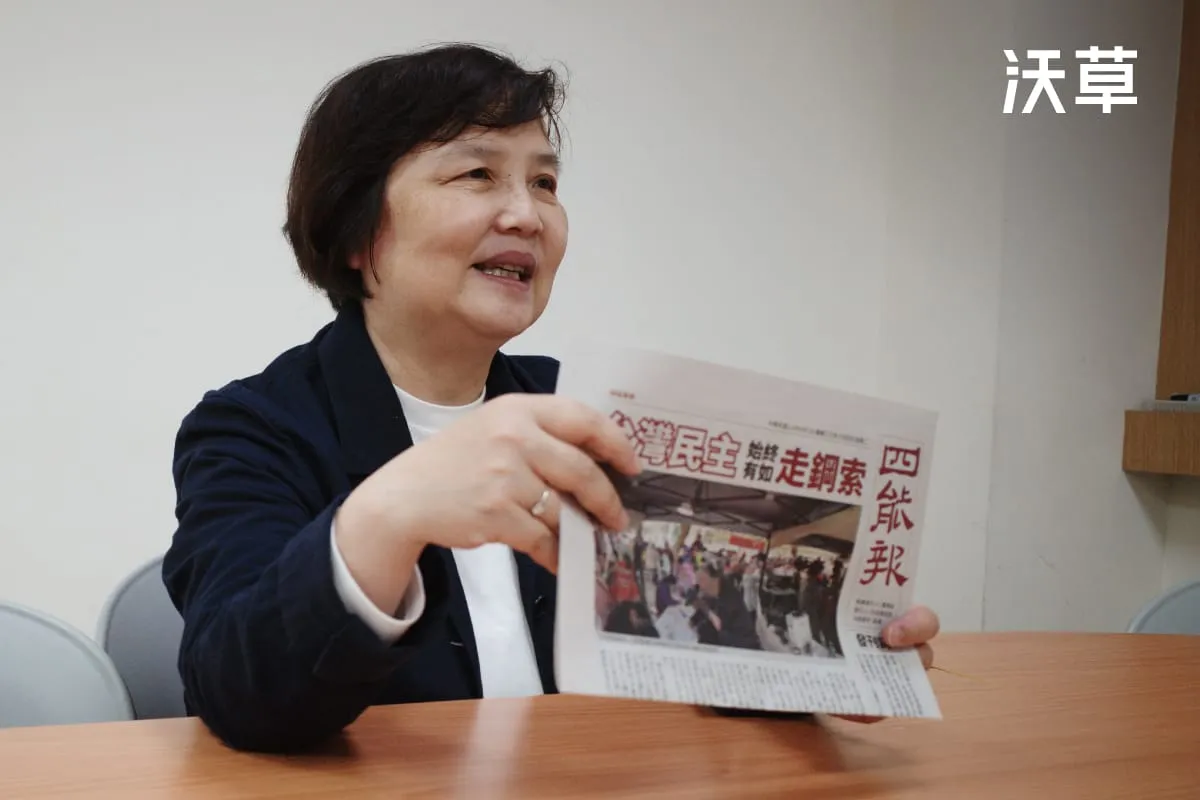
Veteran journalist Gu Bi-Ling (古碧玲) invited several friends from the media and cultural sectors to publish the physical newspaper Four Able News amid the recall push. SOURCE: WatchOut.

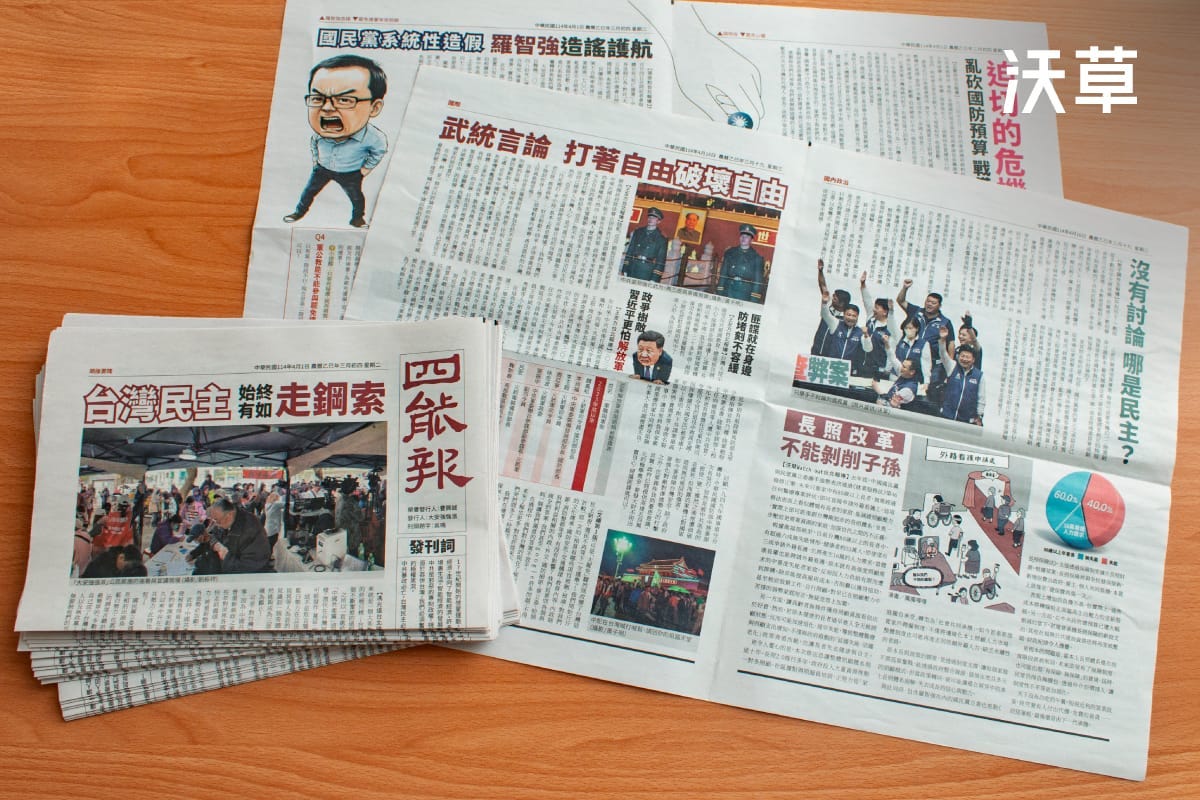
Media veterans in Taipei’s Da’an district have launched “Four Able News” (四能報), a biweekly publication promoting the recall of KMT legislator Lo Chih-chiang (羅智強), while activists in Xizhi, an inner city district in eastern New Taipei City, have created “Shrimp News” (蝦報) to campaign against KMT legislator Liao Hsien-hsiang (廖先翔), referencing his “shrimp diplomacy” controversy (He proposed resuming cut-off diplomatic relations with Honduras back in January as shrimp exports to the country from Taiwan dropped sharply). In Hualien, DPP-aligned recall campaigners have placed advertisements in the traditionally pro-KMT Update Daily (更生日報), featuring painter Chen Cheng-po’s (陳澄波) artwork to appeal to local sentiment.

These diverse print campaigns share a common strategy: bypassing digital barriers to reach older, more conservative voters. In north Songshan district, recall groups have even leveraged imagery of former KMT dictator Chiang Kai-shek (蔣介石), the architect of the country’s White Terror, to connect with traditional KMT supporters, demonstrating how the movement is adapting traditional media for modern political activism.

Have you picked up your copy of “Four Able News”?