Tag: Propaganda

Molding the Message

In many countries, training the next generation of journalists means fostering the skills needed to go after the story and report in the public interest — serving the needs of the audience. In China, where media work is defined by the ruling Communist Party as essential to maintaining regime stability, journalism education takes a fundamentally different path. The profession exists not to hold power accountable, but to serve what Xi Jinping calls “the Party’s news and public opinion work” (党的新闻舆论工作).

That reality was on full display on October 11, 2025, when journalists, university representatives, and officials from the Chinese Communist Party’s Central Propaganda Department, the Ministry of Education, and the All-China Journalists Association (ACJA) convened in Beijing for the 2025 edition of the “China Journalism and Communication Forum” (中国新闻传播大讲堂). The ACJA, though ostensibly a “non-governmental organization,” in fact serves as an important layer of media control, regularly taking charge of training and licensing journalists to ensure compliance with the Party’s objectives.

Held every year running since 2020 — even through the years of Covid-19 lockdown, a sign of its critical nature — the journalism and communication forum serves as a key mechanism for synchronizing state media practices with academic training, ensuring that Party control over journalism flows seamlessly from classroom to newsroom. It functions as an annual training exercise, reinforcing the reporting frameworks that journalists and educators must follow to serve Party objectives. While the mandate to serve the Party has always been at the heart of media under the CCP, Xi Jinping has strongly reiterated the principle, telling media in February 2016 that they must be “surnamed Party” (必须姓党).

Marxist View of Journalism Definition
i
Marxist View of Journalism
马克思主义新闻观
The “Marxist View of Journalism” is a shifting set of ideas that prescribe and justify the Chinese Communist Party’s dominance of the news media and application of controls on information. The concept defines journalism in China as fundamentally distinct from Western journalism, particularly rejecting the notion of the press as a fourth estate. At its core, it means that the CCP must and will control the media profession in order to maintain control over public opinion and maintain its hold on power. The concept is central to the training and licensing of journalists in China.

Since launching in 2020, the forum’s themes have consistently focused on news gathering standards and international communication — a crucial topic as China seeks to enhance its global media influence — and, since last year, the integration of artificial intelligence into journalism practice. Over the past six years, the forum has invited 199 news workers to deliver lectures, according to a read-out this week from the National Press and Publication Administration (NPPA), the official government press and publication regulator that is in fact the same body as the Party’s Propaganda Department. Successive forums have produced 192 long-form video courses and 500 short video courses that have, according to the NPPA, reached more than 200,000 journalism students and faculty at over 700 universities nationwide.

Held over the weekend at the Communication University of China (CUC), this year’s forum brought together 32 lead instructors from 22 news organizations, and was attended by representatives from 11 universities. But beyond skills-based capacity building, the focus is on fostering what the leadership calls the “Marxist View of Journalism” (马克思主义新闻观), which justifies CCP control of media to maintain social and political stability.

The theme of this year’s forum was not truth-telling, or how media can remain sustainable amid competition from digital platforms and social media, or any of the topics generally found at journalism-related events worldwide. It was “New Thought Leads the New Journey: Journalists’ Adherence to Principle and Innovation” (新思想引领新征程:记者的守正与创新). “Thought” in this context was a reference to “Xi Jinping Thought,” the ruling ideology of the country’s top leader. “Adherence to principle,” meanwhile, was about remaining true to Party orthodoxy. And “innovation”? This was simply the idea that media must adapt their methods and their models — even as they are, as ever, ideologically tethered to the Party.

Promotion Unlocked

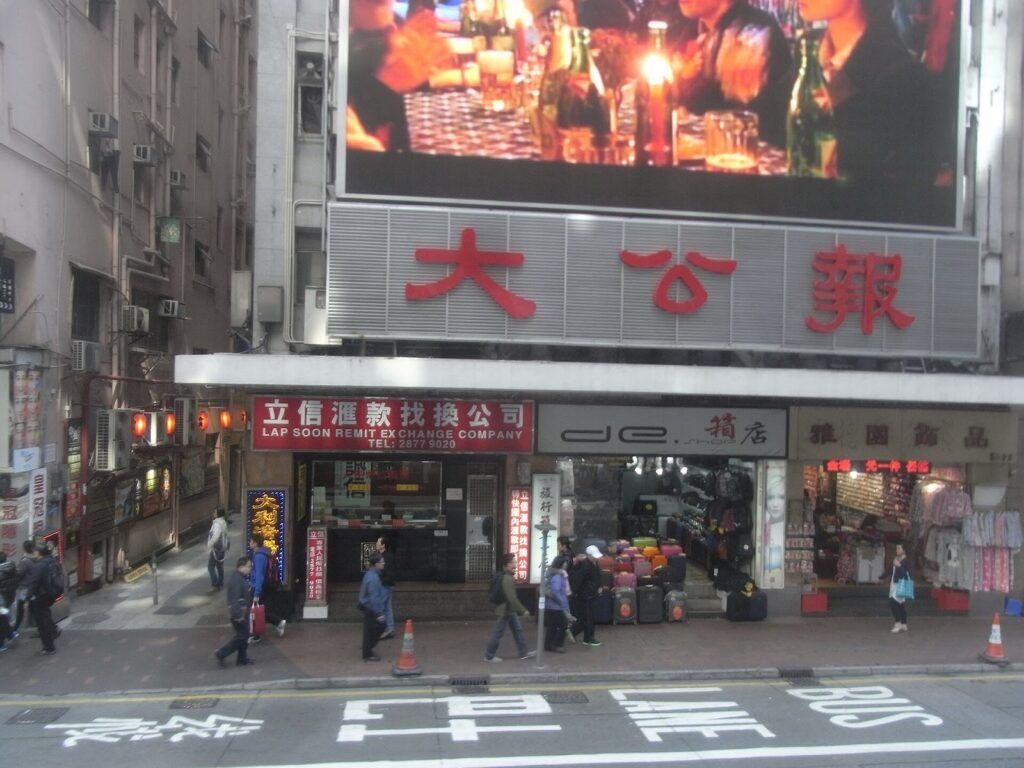
Sun Shangwu (孫尚武), deputy editor of the state-run China Daily (中國日報) newspaper, will become deputy director of China’s central government Liaison Office (中聯辦) in Hong Kong, according to a report by Hong Kong’s Sing Tao Daily. The 56-year-old Sun, the paper reported, has “extensive foreign propaganda experience” (外宣經驗豐富) and will oversee external communication work for the office, which also closely controls such outlets as the Ta Kung Pao (大公報). This “extensive” experience is an apparent reference to Sun’s launch in 2021 of China Daily’s “Media Unlocked” (起底) studio, a combative social media brand that claims to produce “investigative documentaries” (调查纪录片) but more often peddles outright disinformation targeting critics of China in the West. “Media Unlocked” recently launched a personal attack on Simon Fraser University’s Darren Byler, who has criticized internment camps in Xinjiang.

Whitelist Wipeout

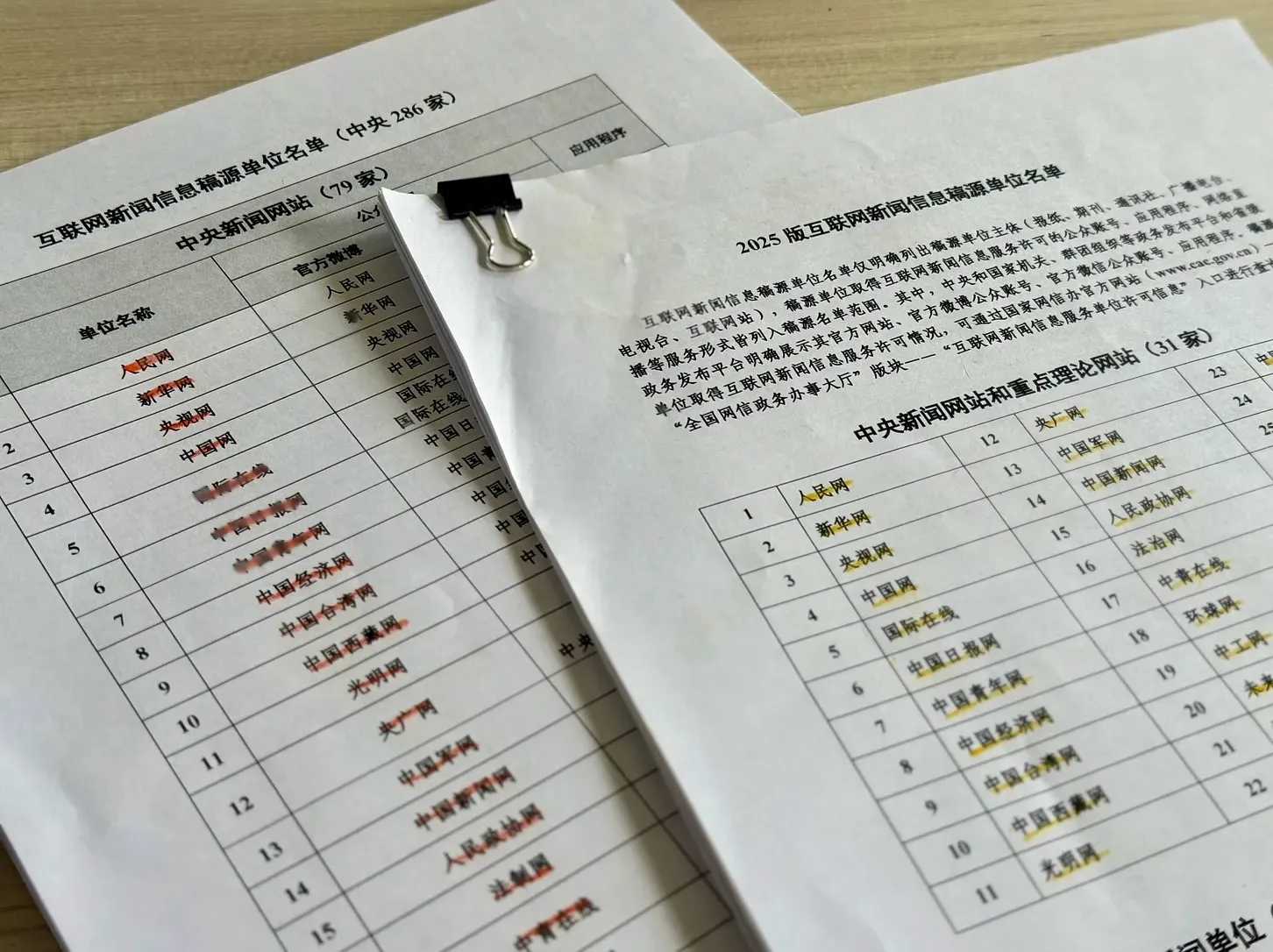
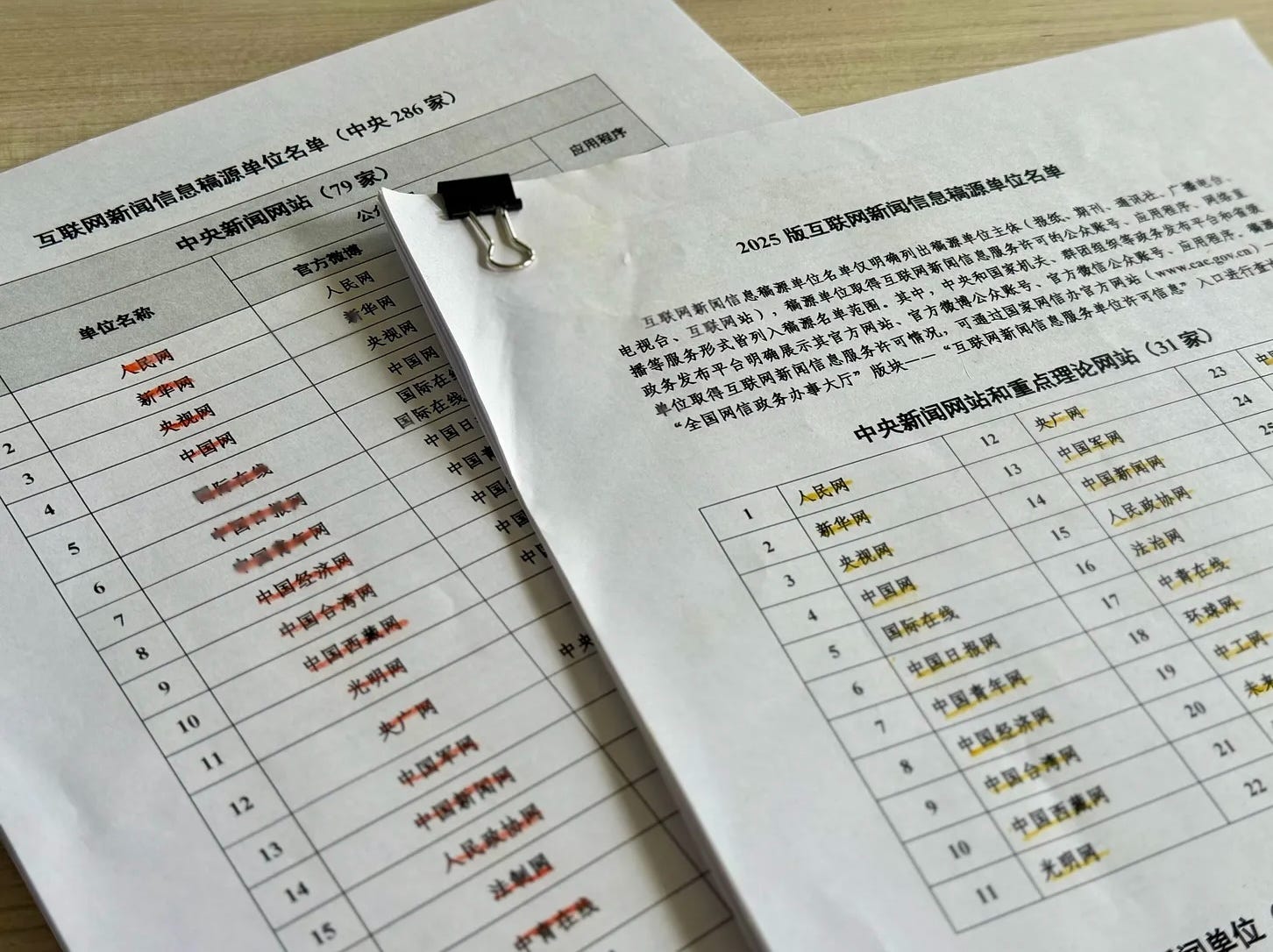
Last month, China’s top internet control body, the Cyberspace Administration of China (CAC) released its latest “whitelist” of approved news sources from which internet platforms are legally permitted to repost news content — a system that has become a cornerstone of information control under Xi Jinping. Journalists over at our Chinese-language sister publication Tian Jian (田間) combed through the list last week to compare it with the 2021 version of the roster. What did they find?

The most noteworthy change was the omission of a more outspoken news outlet, Sanlian Life Weekly (三聯生活周刊), a respected news magazine that had recently published sensitive investigative reports, including coverage of Beijing flooding and a rare story about cross-regional arrests. Both stories were subsequently deleted from Chinese internet platforms.

The scrubbing of Sanlian from the roster echoes the 2021 removal of Caixin Media, another respected outlet that has struggled over the past decade to maintain professional space. The updated 2025 list grew from 1,358 to 1,459 approved sources, with most additions being local government platforms — likely reflecting Beijing’s strategy to strengthen propaganda capabilities at the local level. Guangdong province alone added 59 new government-affiliated outlets.

Hoops Oops

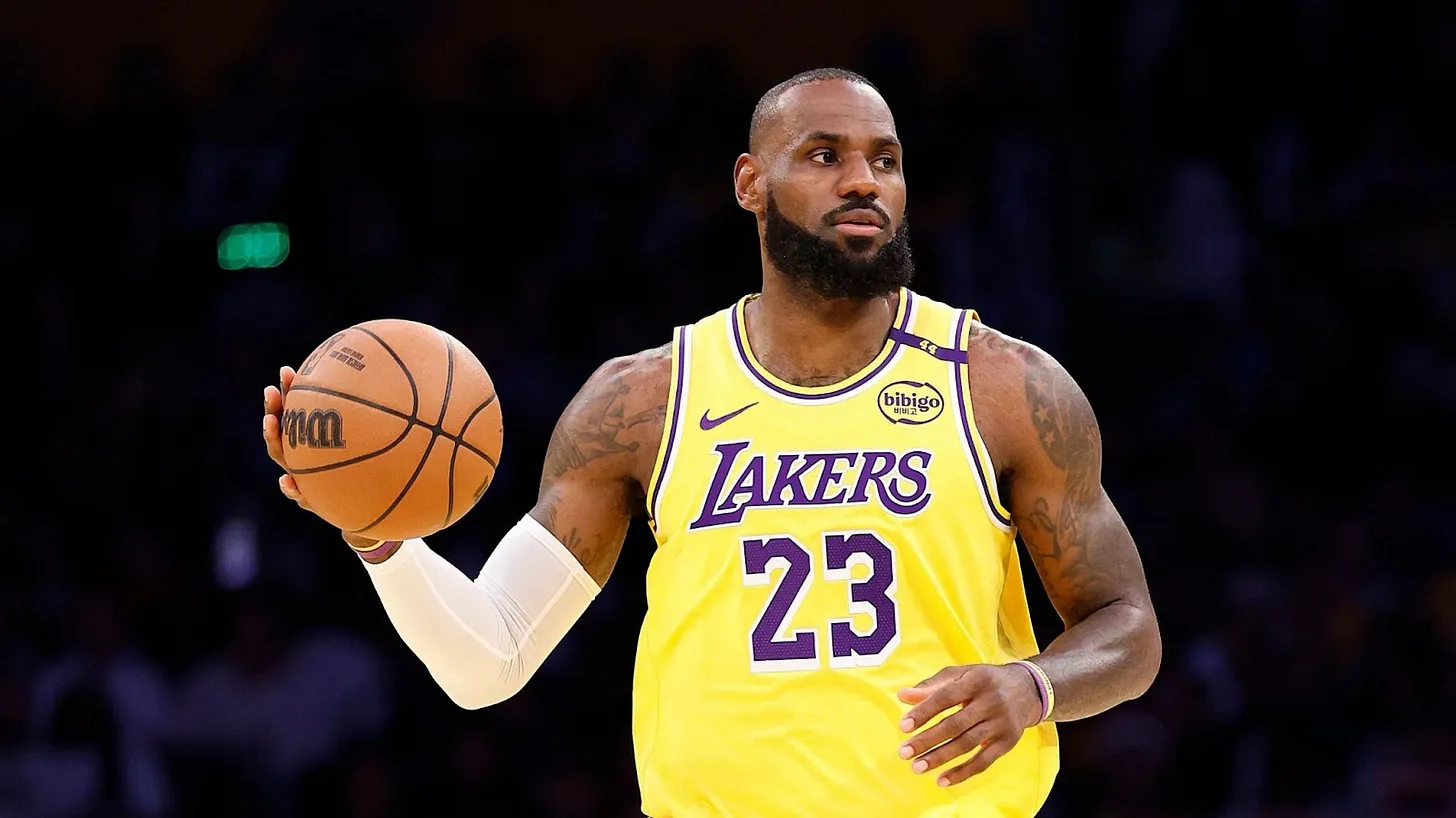
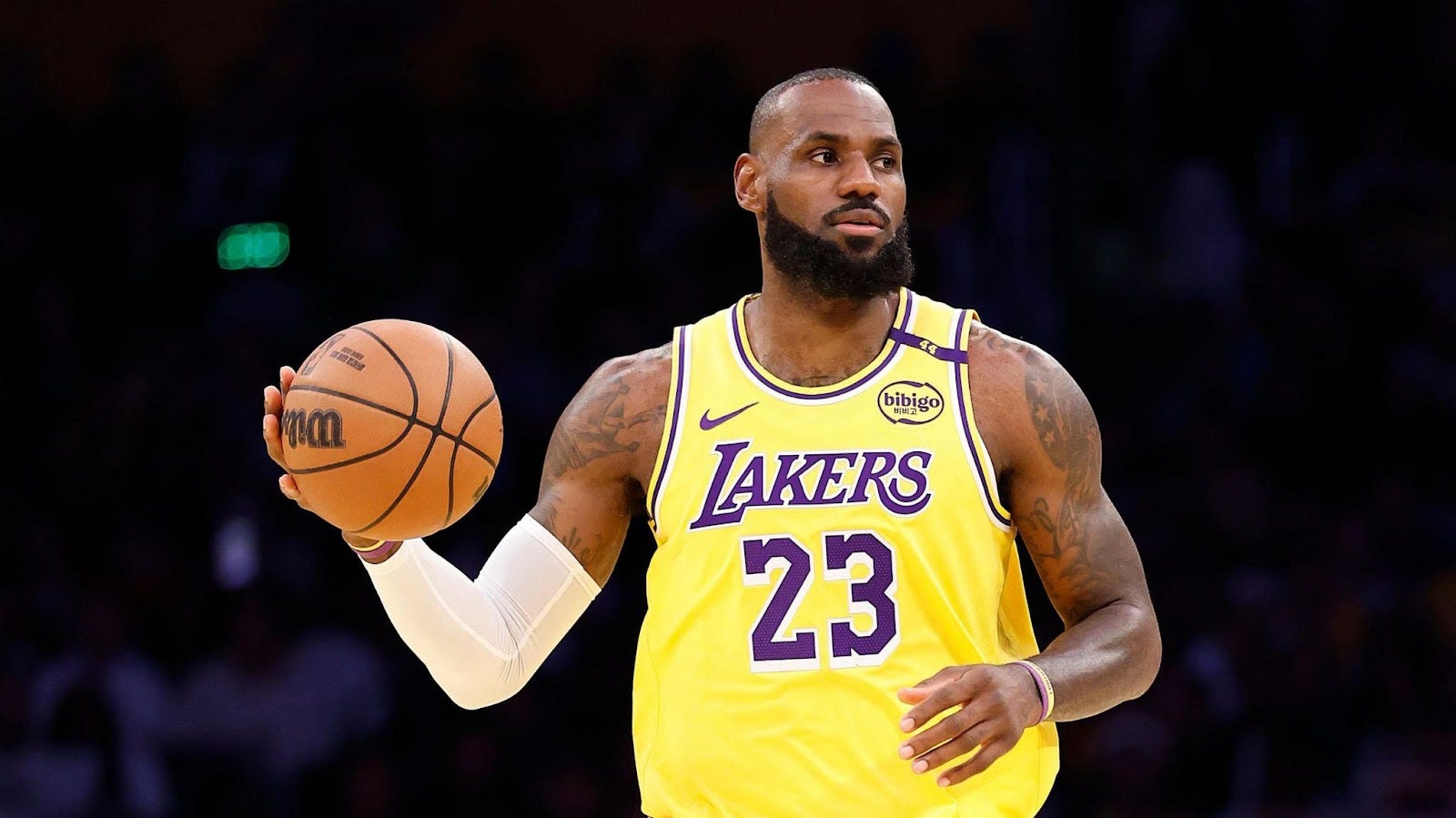
“Basketball is a bridge that connects us.” That was the headline of a commentary published in the Chinese Communist Party’s People’s Daily newspaper earlier this month, with a soaring byline from none other than LeBron James, the LA Lakers star who is the NBA’s all-time leading scorer. “I’ve been deeply moved by the enthusiasm and friendliness of my Chinese friends,” the commentary began, with a typical CCP frame of people-to-people friendship. “What I can do in return is give my all in every game as a way to show my gratitude to everyone.” For a generally insipid Party-run mouthpiece, such a celebrity endorsement was too good to be true — and of course it was. Representatives for LeBron James quickly disavowed the story. The star, they said, had only ever conducted interviews with Chinese media.

What does this tell us? The flagship newspaper of the CCP feels it is perfectly acceptable to fake a commentary by one of the world’s most recognizable public figures if it suits the agenda, in this case talking up “friendship” and people-to-people exchange.

LeBron James. IMAGE: Wikimedia Commons.

It should not surprise readers that this is not an isolated case. In 2016, after a commentary with a byline from a journalism professor in the New York state university system appeared in the paper decrying the falsehood of Western freedom of speech, CMP reached out to the professor in question. In an e-mail exchange, the shocked professor said she had only spoken on the phone with a People’s Daily reporter and raised issues of journalism ethics more generally. Sound familiar?

At the People’s Daily, politics always trump professionalism. In order to have his official press card re-issued back in January, the staff member behind the LeBron James commentary, sports reporter Wang Liang (王亮) would almost certainly have taken refresher courses on the Marxist View of Journalism and fealty to the Party. The most basic ethics and good practice? Not so important. The People’s Daily has issued no public correction on the LeBron James commentary. Don’t bother waiting for the buzzer.

Historical Revisions on Parade

For the Chinese leadership, the 80th anniversary of the country’s victory in the War of Resistance Against Japan in World War II is a major milestone — an opportunity to signal the power of the ruling Chinese Communist Party to people at home, and the country’s global ambitions to audiences abroad. These goals were on full display during the ritualized pageantry of the military parade yesterday in Beijing, attended by Russian leader Vladimir Putin and North Korean dictator Kim Jong Un.

Preparations for the celebrations, coinciding with this week’s Tianjin meeting of the Shanghai Cooperation Organization (SCO), an event that has sparked lively discussion and speculation about whether or not we are witnessing a fundamental shift in the world order, were months in the making. In recent days, the logistical preparations have brought the center of the capital to a literal standstill.

But in the days ahead of this week’s parade of high-tech weaponry, ideological moves of equal or greater importance have prepared the way for the CCP’s new historical consensus. This view rewrites the history of global war and peace to firm up the narrative of China’s centrality. It was the CCP, the story goes, that decisively won the war for Asia and for the world.

Backbone Narratives

On Sunday, the China Youth Daily, an official newspaper under the Chinese Communist Youth League (CCYL), ran an article by Shi Quanwei (史全伟), a research fellow at the Party History and Literature Research Institute of the CCP Central Committee, that argued that the CCP had been the “backbone” (中流砥柱) of the entire nation’s resistance during the War of Resistance Against Japan. Shi argued that it was the united front leadership, guerrilla warfare tactics, and exemplary governance of the CCP that made it crucial to China’s wartime resistance.

“The experience of three revolutions, especially the War of Resistance, has given us and the Chinese people this confidence,” he wrote. “Without the efforts of the Communist Party, without Communists serving as the backbone of the Chinese people, China’s independence and liberation would have been impossible.”

Just as the celebrations yesterday invited talk of the conspicuous sidelining of the United States as a global leader — and by extension what state media like to call the “US-led West”(美西方) — reconstructed narratives made much of the historically inflated importance of the US in the global conflict 80 years ago. 

Quoting from several global talking heads, the government-run China Daily pressed the point that the attack on Pearl Harbor in 1941, the quintessential inflection point in American narratives of fascist resistance, had been given too central a role in the broader global story — as had the role of the United States in the Pacific theater. Instead, it was the CCP that had led the decisive grassroots resistance years before the belated American entry. As the descendant of one Soviet pilot was quoted as saying, glossing over the role of Republican forces in China at the time: “China’s resistance war was already underway before the Pearl Harbor incident. Chinese forces long tied down Japanese military strength and manpower, preventing them from extending their influence to the Pacific and the entire Far East region at that time.”

According to this wave of writing and commentary on WWII history, promoted through new platforms and accounts through August as well as traditional state-run outlets, the emphasis on the US role had for decades overshadowed, or inexcusably sidelined, the role of China in the global conflict.

On August 16, an article appeared on WeChat that claimed American academia had deliberately downplayed China’s role — which was to say, eliding all nuance and fact, the role of the CCP. In recent years, the author wrote, the geopolitical rivalry between China and the US had led American historians to overlook China’s role in the Pacific theater, “fully exposing the United States’ political manipulation of history to gain political advantage.” 

A man identified as a descendant of a World War II-era Soviet fighter pilot praises China’s central role in the Pacific theater, accusing the US broadly of historical revisionism.

That argument, of course, has many flaws — not least the absurd assumption that US historians (like Chinese ones?) are an organized and geopolitically-motivated force, lacking professional integrity and unable even to distinguish between the present-day People’s Republic of China (PRC) and the Republic of China (ROC) that was China’s recognized government during World War II.

But the nature of the messenger in this and many other instances of historical redrafting in recent weeks is perhaps more telling than the the substance. The author of this piece, “How Has American WWII Historical Research ‘Drifted’?,” was a scholar from the American Academy (美国研究所), a unit within the China Institute of Contemporary International Relations (中国现代国际关系研究院) — a front organization operated by the Ministry of State Security (MSS) and charged with engaging with foreign scholars.

And what of the outlet that published this piece — a drop in the wave of efforts to re-center China at the expense of the truth? It is a website launched in 2021 called “China’s Diplomacy in the New Era” (习近平外交思想和新时代中国外交), an outlet under the China International Communications Group (中国外文出版发行事业局), or CICG. The office, which masquerades as a press group, operates scores of online outlets including such government sites as China.com.cn, and has been tasked by Xi Jinping as a key vehicle for the CCP’s international communication. CICG’s parent is the Central Propaganda Department of the CCP Central Committee.

The social media account of “China’s Diplomacy in the New Era” — whose Chinese moniker bears the name of Xi Jinping himself — has been pushing a variety of articles on World War II in recent weeks, mostly re-interpreting the conflict through the lens of current geopolitics, colored with familiar state narratives, including contemporary Chinese claims to sovereignty in the South China Sea.

As the soldiers, tanks, missiles and drones goose-stepped and rolled along Chang’an Avenue on Wednesday, and Vladimir Putin had his smiling moment with Xi Jinping, some might have felt a sense of America sliding out of contemporary relevance. But behind the physical demonstrations of military might and the cementing of partnerships, there was an insistent narrative effort on all fronts to re-position China — and by extension, the CCP — at the center of the global historical narrative. For the leadership’s vision of a “new type of international relations,” nudging American leadership out of contemporary geopolitics is only half the battle; ensuring that it slips out of the history books may be equally important.

A Terminal Crisis for Chinese Television

Initium Media (端傳媒) published an extraordinary inside look earlier this month at the deep challenges facing official Party-run media in China, particularly television networks caught between political control and financial viability — with television audiences left out of the equation. The deeply reported piece reveals how corruption has become normalized as a survival mechanism. China’s nearly 2,500 television stations face deep financial pressures, with insiders describing them as “living like beggars” (大家都是过着要饭的日子). At China Central Television (CCTV), reporters’ salaries have plummeted while top executives often offer public relations services on the side, and news anchors hawk products via livestreams. Local station reporters earn as little as 800 yuan (110 dollars) monthly, which must be supplemented by commissions from commercial activity.

An ad from the China Media Group (CMG), the conglomerate directly under the CCP’s Central Propaganda Department, for a shopping show launched on January 1.

The core problem is political: increasingly stringent content restrictions have made meaningful programming impossible. As one CCTV producer candidly admitted, everyone knows the solution — allow creative freedom and programs that respond to people’s concerns — “but none of these things are possible.” The inevitable result, according to a propaganda official, is that “television will gradually die out.”

To learn more, read our full translation, or try the original must-read at Initium.