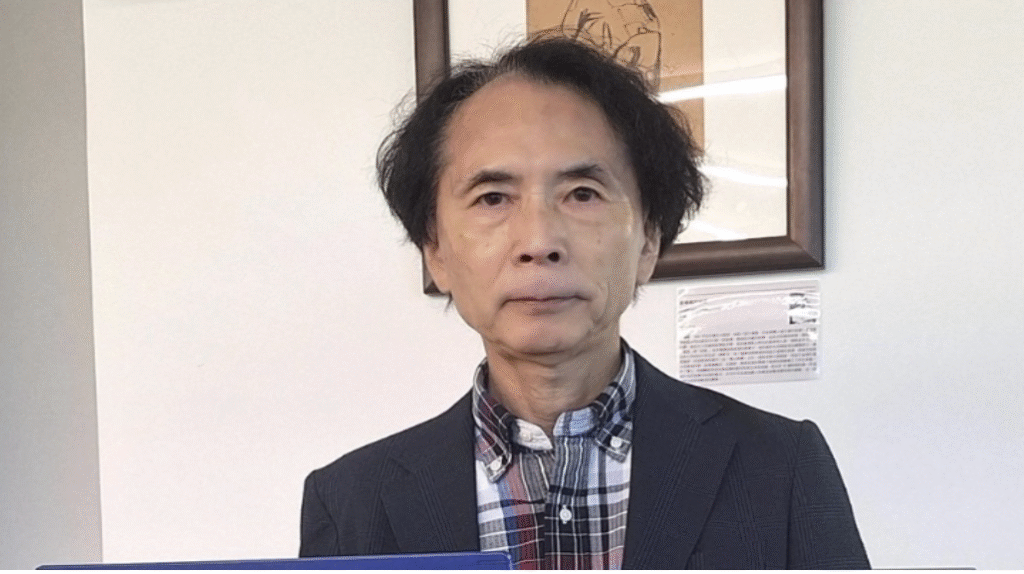
New KMT Chairperson Cheng Li-wun’s (鄭麗文) claim in an October 31 Deutsche Welle interview that Russian President Vladimir Putin “is not a dictator” because he was elected has sparked controversy in Taiwan in recent days. But another source of controversy has been the confrontational approach of DW interviewer Tsou Tzung-han (鄒宗翰). Lee Chih-te (李志德), a seasoned Taiwan journalist, compared Tsou unfavorably to former Al Jazeera host Mehdi Hasan, known for his cool yet “pointed questions,” and suggested Tsou lacked the preparation and strategic questioning that makes for effective interviewing.
A Japanese scholar accused the China Times (中國時報) of fabricating his analysis of the results of the leadership election for Taiwan’s opposition Kuomintang (KMT) party. Yoshiyuki Ogasawara (小笠原欣幸), a political scientist and honorary chair professor at National Tsing Hua University who specializes in Taiwan politics, posted his analysis on Facebook on October 22 after Cheng Li-wen (鄭麗文) won the KMT chairmanship with just over 50 percent of the vote. Multiple media outlets in Taiwan reported Ogasawara’s commentary, but the scholar singled out the China Times for distorting his remarks.
Ogasawara publicly detailed the discrepancies on October 23, noting that the China Times had transformed his characterization of Cheng’s clearly pro-China line (明確的親中路線) into language instead emphasizing “historical-cultural continuity” (歷史文化的延續). He alleged that the newspaper had fabricated entire quotes that he never wrote, including claims about the party “rebuilding confidence” (重建自信). Ogasawara demanded that the matter be addressed as a matter of professionalism. “If the China Times still has media self-respect,” he said, “please make corrections.” The China Times subsequently deleted the article, but to date has not issued a correction.
Japanese political scientist Yoshiyuki Ogasawara. SOURCE: UpMedia.
Late last month, Taiwan’sMirror Daily (鏡報) revealed that Huang Kuo-chang (黃國昌), the chairman of the Taiwan People’s Party (TPP) — the country’s third-largest party in the Legislative Yuan — had since 2021 organized a paparazzi network to follow political figures, including ruling-party politicians, in search of dirt. At the center of the scandal was journalist Hsieh Hsing-en (謝幸恩), who allegedly served as a ghostwriter and paparazzi recruiter for Huang — first while holding a business card from the online outlet RWnews (菱傳媒), and later while employed full-time by the state-run CNA (中央社). Hsieh published stories favorable to Huang on the financial news site Taiwan People News (民報) under the pen name Hsiao Yiyi (蕭依依).
Following the revelations, and before CNA’s internal investigation had concluded, Hsieh announced her resignation in a letter whose expressed Fourth Estate ideals starkly contrasted with the conduct described in news reports. “I deeply believe that the media’s pen should be fearless of power and unafraid of storms, serving as an important force in democratic society to supervise authority,” Hsieh wrote.
CNA’s president responded to the scandal by saying the agency had received complaints two years earlier but lacked sufficient evidence to act. The agency has filed breach of trust charges against Hsieh, stating that her actions have “seriously damaged” its reputation. RWnews, which had provided Hsieh with business cards — something often necessary to access reporting events in Taiwan — announced its shutdown immediately after its president admitted collaborating with Huang. This was apparently a decision by Taiwan Steel Group, which purchased the outlet two years ago.
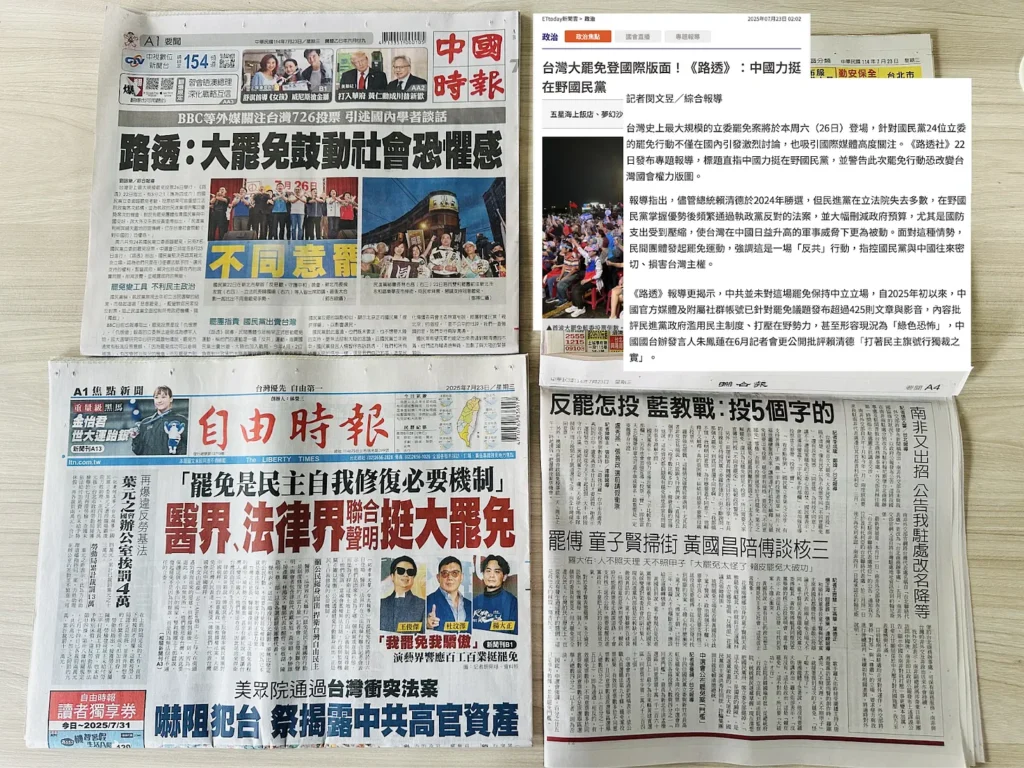
Taiwan’s China Times (中國時報) sparked controversy last month by mistranslating a Reuters report about parliamentary recalls. The paper’s headline claimed “Reuters: Mass Recalls Stoke Social Fear” (路透:大罷免鼓動社會恐懼感). In fact, the quoted assessment came not from Reuters but from National Chengchi University professor Huang Kuei-po (黃奎博).
Reuters reporter Lee Yimou (李憶慕) quickly corrected the misrepresentation on social media, sharing the accurate translation and encouraging readers to practice “media literacy” (媒體識讀). The incident highlights broader concerns about editorial standards and information accuracy amid Taiwan’s contentious recall campaigns, where media outlets across the political spectrum face accusations of bias in their coverage of cross-strait politics.
Taiwan’s recall drama has now entered its second wave. In the trough between these political swells — a moment when observers can pause and take stock — a media issue rose to the surface this past week: neutrality (中立).
The Reporter (報導者), one of the country’s most respected independent outlets, published a video [below] on July 22 by producer Fang Jun-zhu (方君竹) discussing the recalls, featuring interviews with targeted lawmakers and civic group members who initiated the recall campaigns. The video has so far gathered close to a million views, but some users on Threads have criticized the report as an example of “fake neutrality” (假中立). Anti-recall perspectives in the video comprised just 20 percent of the content, they said, questioning whether The Reporter was too closely aligned with the Democratic Progressive Party (DPP).
“I must say, I feel really disappointed,” one YouTube viewer commented. “I originally expected The Reporter to provide a balanced, rational discussion space that would present the viewpoints and context of both sides of the recall issue. Instead, the entire video almost completely adopts the recall side’s narrative, with very little mention of the other side’s viewpoints, completely losing the impartiality that media should have.”
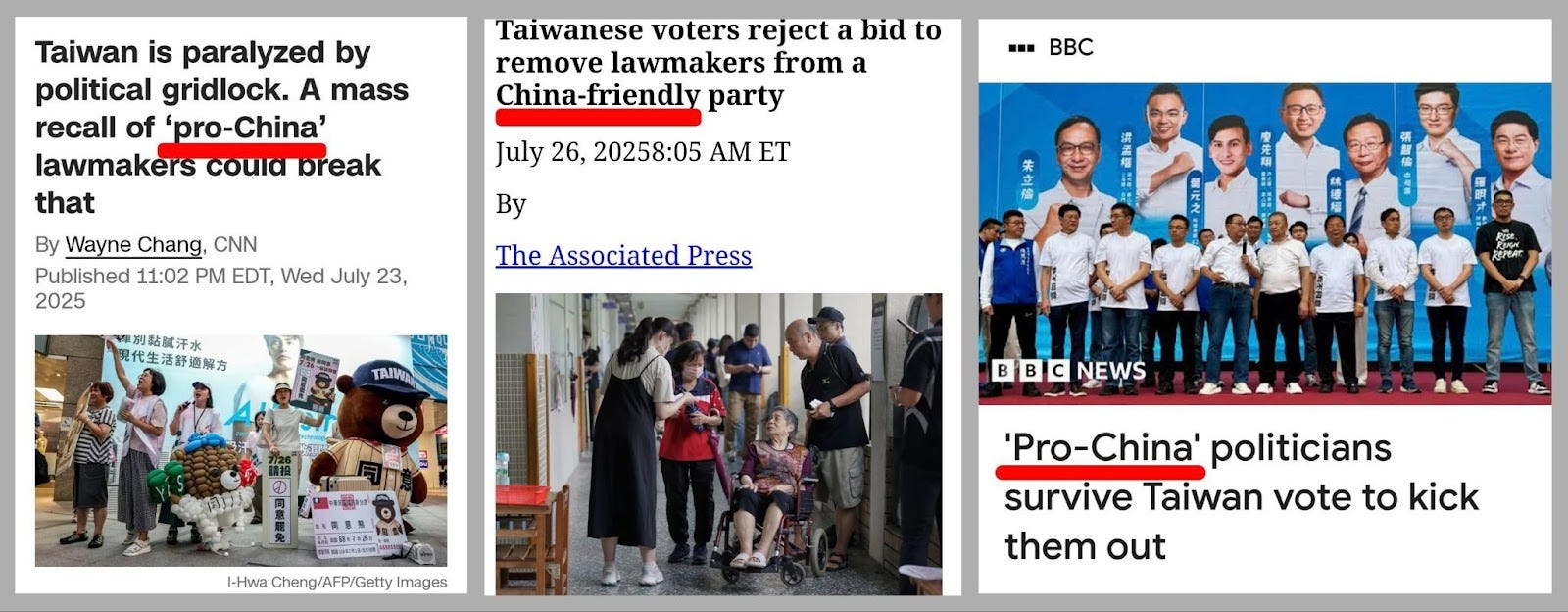
Some criticism on the same grounds also turned to foreign media coverage of the story, with some alleging that international coverage was too strongly influenced by the DPP, including labeling Kuomintang lawmakers as “pro-China” (親中) or “China-friendly” (友中). American lawyer Ross Feingold (方恩格), who lives in Taiwan, posted to Facebook on July 27 that the DPP and recall groups had “convinced foreign media to headline that the KMT is a pro-China party.” In an interview with Storm Media (風傳媒), Feingold argued that the generally “anti-China” stance of the international media, combined with an easy acceptance of DPP narratives, led them to frame recall results through the oversimplified lens of whether or not candidates were “pro-China.” International media coverage of Taiwan, he said, was “mostly not neutral” (大部分不中立).
As supporters of the Taiwan People’s Party staged a march last Sunday outside the headquarters of the country’s Democratic Progressive Party (DPP) to protest election recalls scheduled for July 26, they resorted to a stunt many Taiwanese would find too perplexing to understand as a provocation. Dear NANA, an influencer aligned with the Taiwan People’s Party (TPP), staged an event called “Cleansing the Sins of Democracy” (民主罪人洗門風), during which participants wore Cultural Revolution-style tall hats and placards around their necks while apologizing to passersby for voting in the past for the DPP. Several attendees, including the TPP’s secretary-general, had “shame” written on their foreheads — a reference to the humiliation to which many were subjected under Mao Zedong’s Cultural Revolution (1966-1976). The spectacle sparked an online backlash but received minimal mainstream media coverage. These are historical references few Taiwanese would understand.
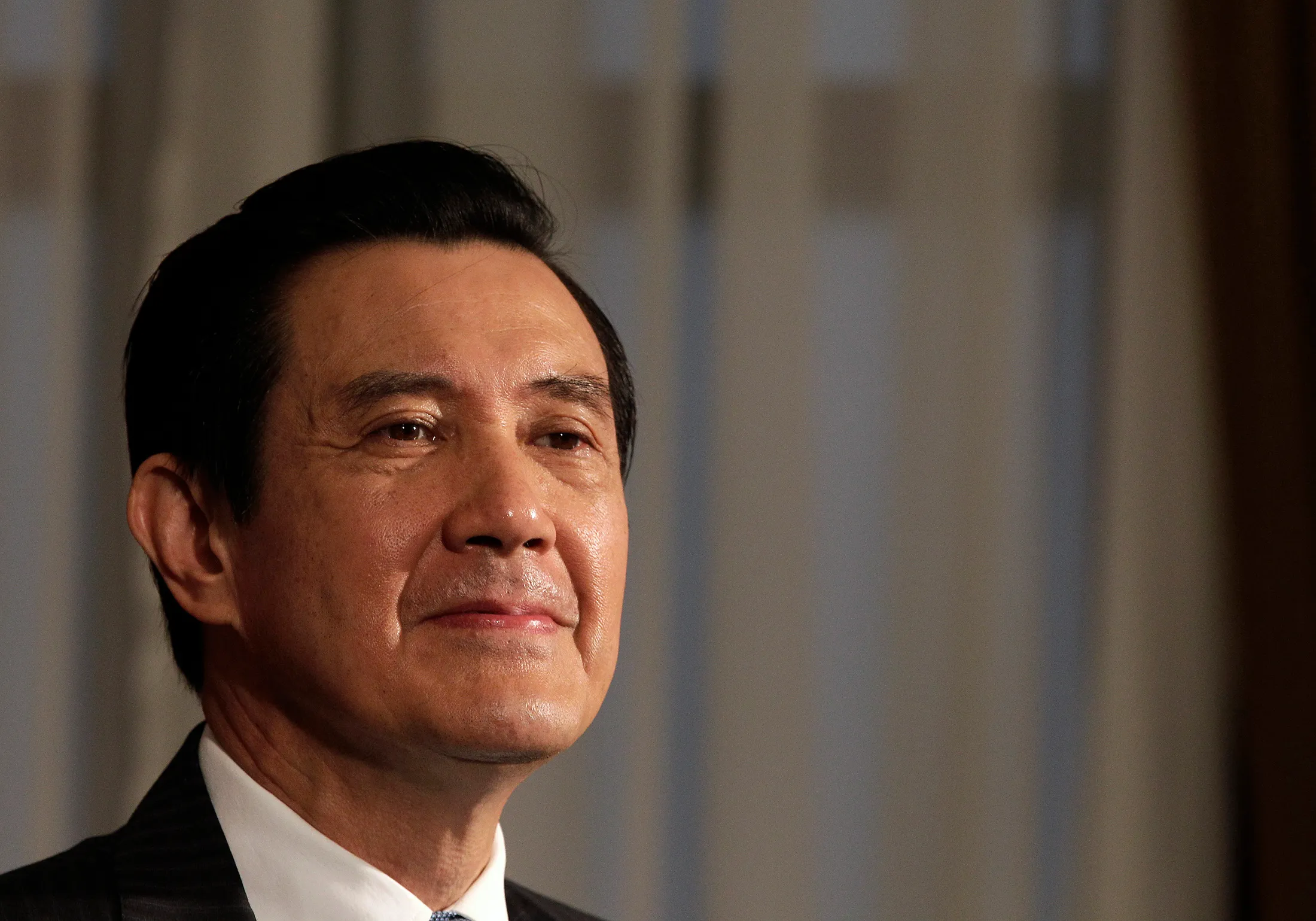
Taiwan’s Mainland Affairs Council (陸委會) severely condemned the China Times (中國時報) newspaper on June 18 for falsely reporting that former president Ma Ying-jeou (馬英九) had reported his China itinerary to the MAC before attending the Cross-Strait Forum in Xiamen on June 15, and that the council had leaked information to specific media outlets. Ma, the MAC said, is no longer required to report travel plans to mainland China, and had not submitted any meeting details for his recent trip. The reporting of false information by the China Times, the council said, was particularly egregious following corrections made publicly two days before the outlet’s report. The incident highlights ongoing tensions between government agencies in Taiwan and pro-Beijing media outlets.
Huang Kuo-chang (黃國昌), the chairman of the Taiwan People’s Party (TPP), the center-left political party formed in 2019 by now-jailed former Taipei mayor Ko Wen-je (柯文哲) and in coalition with the KMT, faces criminal investigation after playing what he called a “demonstration tape” (示範帶) during legislative questioning of Justice Minister Cheng Ming-chien (鄭銘謙) on June 16 about alleged misconduct by prosecutors under the current government.
Opposition legislators call for TPP chairman’s referral to the discipline committee. SOURCE: CNA.
The audio, which purported to show prosecutorial misconduct against a suspect named “Mr. Chu,” appeared to feature a prosecutor conducting a harsh interrogation using threatening language, but Huang later admitted to having created the recording himself. Fellow TPP legislator Zhang Qi-kai (張啓楷) complicated matters by claiming to have listened repeatedly to “the entire Ko Wen-je case prosecutor interrogation CD” — implying there had been misconduct in the case against the former Taipei mayor and TPP leader.
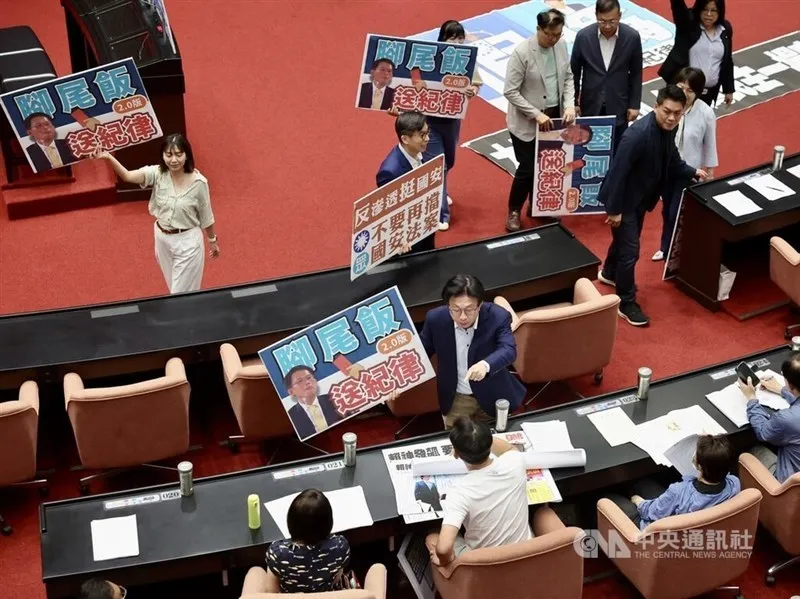
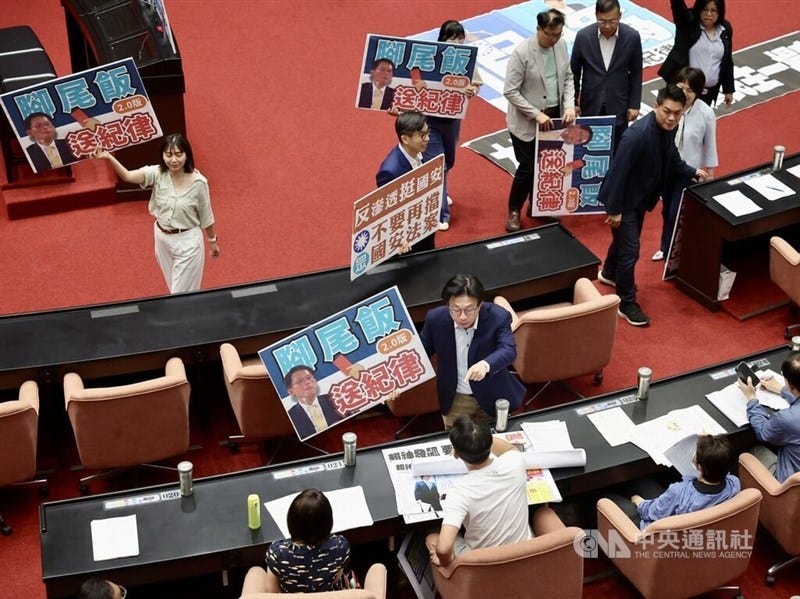
The Taipei District Prosecutors Office has opened an investigation into potential document forgery. Critics, meanwhile, compare the incident to Taiwan’s “funeral rice” (腳尾飯) scandal of 2005, in which Taipei city councilor Wang Yu-cheng (王育誠) was found to have staged video purporting to show that funeral parlor workers were selling leftover “funeral rice” (food offerings set beside corpses during funerals) to civilian restaurants — an apparent bid to embarrass the KMT city administration of then-mayor Ma Ying-jeou (馬英九).
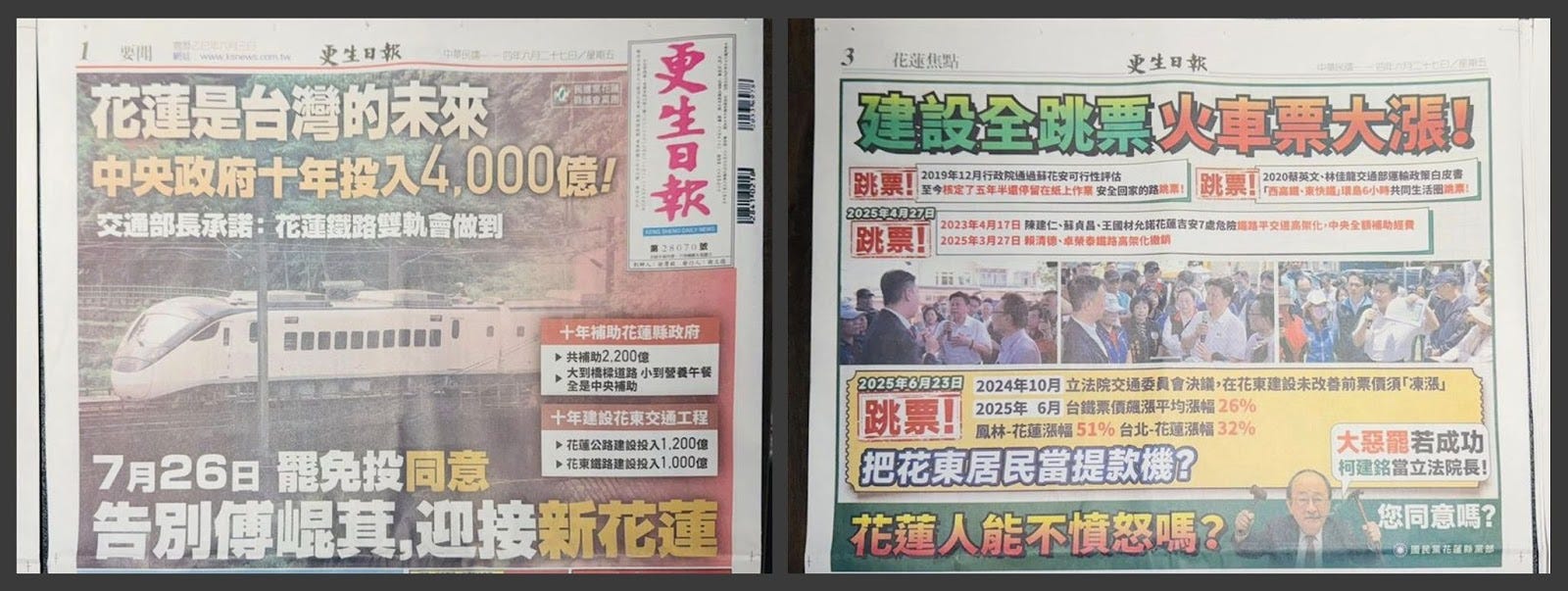
Keng Sheng Daily News (更生日報), the largest newspaper in the eastern coastal Taiwanese city of Hualien, found itself at the center of political theater late last week when it published advertisements from both sides of an upcoming recall election in the same daily edition. Taiwan is presently in the midst of an intensifying recall campaign that could mean early ejection from office for 24 directly elected lawmakers from the opposition Kuomintang (KMT) party. The recall votes are scheduled for July 26. (Read this English explainer from Taiwan’s Commonwealth magazine.)
The Keng Sheng Daily News front page featured a Democratic Progressive Party (DPP) ad targeting a local KMT legislator and urging voters to “Say goodbye to Fu Kun-chi, [and to] welcome a new Hualien.” Inside pages carried a starkly different message from the KMT county office, criticizing the DPP with headlines like, “Construction promises broken, train fares soaring.” Radio and TV host Lin Yu-hui (林育卉), who shared photos of the newspaper on social media, declared: “Hualien’s Keng Sheng battle officially begins” (花蓮更生大戰正式開打). The unusual juxtaposition drew widespread online commentary, with readers calling it “spectacular” and “worth collecting”.
Historically aligned with the opposition KMT, the newspaper appears to be taking paid advertisements from both parties as Taiwan prepares for multiple recall elections. Inter-party politics can be bitter — but so is the battle for media survival.