

Earlier this month, China’s state-run Southeast TV (東南衛視) announced at an annual cross-strait gathering in Xiamen that it will air two recently acquired Taiwanese dramas, marking the first time in more than a decade that a provincial satellite channel in China has carried Taiwanese content. The move is part of a broader pattern this year in which China has used popular entertainment in a redoubled effort to cultivate goodwill in Taiwan — even as its military posture toward the country hardens.
The acquisitions follow an April announcement by the Taiwan Affairs Office (TAO), the official Chinese body overseeing cross-strait policy, of ten cross-strait exchange measures permitting Taiwanese dramas on Chinese satellite channels, provided they are “correctly guided,” a phrase that echoes the Chinese Communist Party’s policy ofpublic opinion guidance demanding media serve key political objectives.
Southeast TV is a satellite channel of the Fujian Media Group, a broadcast conglomerate directly under the provincial government in Fujian that is a key part of the vast communication array China directs at Taiwan — much of it propaganda and cognitive warfare designed to destabilize the country’s open and democratic society.
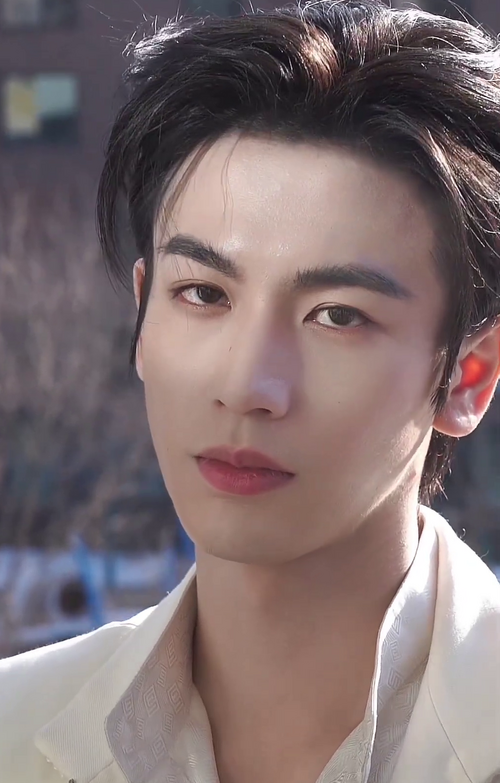
The April TAO announcement came amid what China’s leadership has hoped could be warming relations driven by a visit to China by Cheng Li-wun (鄭麗文), chair of Taiwan’s main opposition Kuomintang (國民黨), or KMT. Scripted or not, entertainment television became a core theme of cross-strait messaging during that visit. In a radio interview shortly after her return to Taiwan, Cheng recalled how young women in the KMT delegation had joked that cross-strait relations could be solved simply by sending actor Zhang Linghe (張凌赫), the male lead of the hit costume drama Pursuit of Jade (逐玉), to Taiwan.
In fact, Cheng at first mispronounced Zhang Linghe’s name as “Zhang Lingyi” before being corrected by the host. Quickly pivoting, the KMT chairwoman laughed and said: “Send Zhang Linghe to Taiwan and that will do!” The quip was quickly amplified by Chinese state media.
In May, the Taiwan Affairs Office said it “delighted in seeing” news that the Taipei Artist Agency Association (台北演藝經紀文化交流協會) had called for mainland artists including Zhang Linghe to visit Taiwan. The office was referring to remarks made at a China-hosted cultural exchange event, and that had been reported exclusively in Chinese state media.
Posts on Chinese official social media accounts pointed to favorable comments on this news story as reported on the program “Strait Talk” (兩岸做伙講) as evidence of popular support in Taiwan for a visit by Zhang. In fact, the “Strait Talk” program is run by China Daily, the Chinese government’s English-language external propaganda outlet.
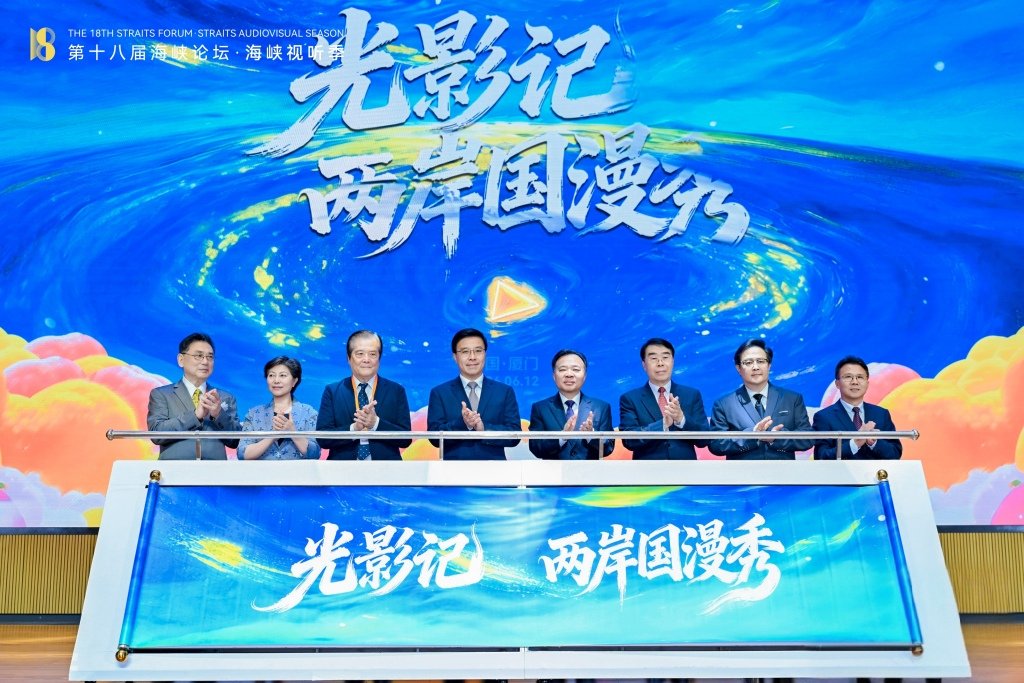
On June 13 at the 18th Straits Forum, an annual event hosted by the Chinese government to promote cross-strait exchanges, Zhang Linghe delivered a surprise speech calling for deeper cross-strait cultural exchanges. This was the first time ever that a Chinese actor was invited to speak at the forum’s main session.
The pattern of Zhang Linghe diplomacy extends beyond Taiwan. In the Philippines, where relations with China have grown deeply strained over the past year over South China Sea territorial disputes, the Chinese ambassador extended a personal invitation in June for Zhang to visit Manila after he said he had learned of the actor’s growing popularity among Filipino audiences.
China’s drama diplomacy comes as military tensions have intensified in the strait. Last week, Taiwan launched five-day combat readiness drills, designed to test how quickly its armed forces can shift from peacetime to wartime footing. Earlier this month, Taiwan’s president also called for swift US approval of a major arms sale package.


