Tag: Hong Kong protests

Playing With Fire

Former Chinese University of Hong Kong assistant professor Simon Shen (沈旭暉), a political scientist who studied at Oxford under Sinologist Rana Mitter and is now a visiting scholar at National Sun Yat-sen University (中山大學) in Taiwan, faces accusations of selling pro-Hong Kong independence materials through his Global Hong Kong Library (國際香港圖書典藏館). 
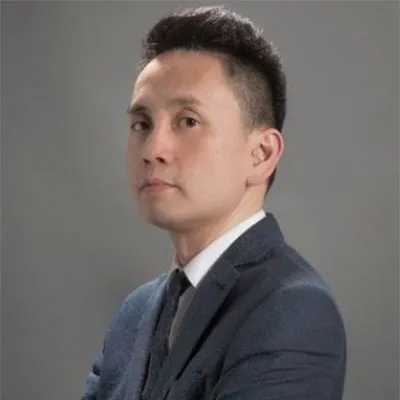
Political scientist Simon Shen. SOURCE: National Sun Yat-sen University.

Wen Wei Po (文匯報), a paper controlled by China’s central government in Hong Kong, alleged that Shen’s online platform promoted separatist agendas while displaying and selling items from the 2019 protests — disguised (the paper said snidely) as “precious collections” (珍貴藏品).

Pro-Beijing politician Elizabeth Quat Pei-fan (葛珮帆) warned that sharing such content on social media could violate the National Security Law. Barrister Ronny Tong Ka-wah (湯家驊), a non-official member of Hong Kong’s Executive Council, a formal body of advisors to the chief executive, raised the specter of transnational repression, warning that violators anywhere in the world could face police pursuit. At the Bastille Post (巴士的報), columnist Lai Ting Yiu (黎廷瑤) described Shen as “playing with fire.” The Global Hong Kong Library website states it hopes to preserve Hong Kong collections and ensure “the truth will not be revised.” For more on the crucial role of archives in information freedoms, be on the lookout for today’s edition of our companion publication Tian Jian (田間), or read their recent interview with Ian Johnson.
Archives Against Amnesia

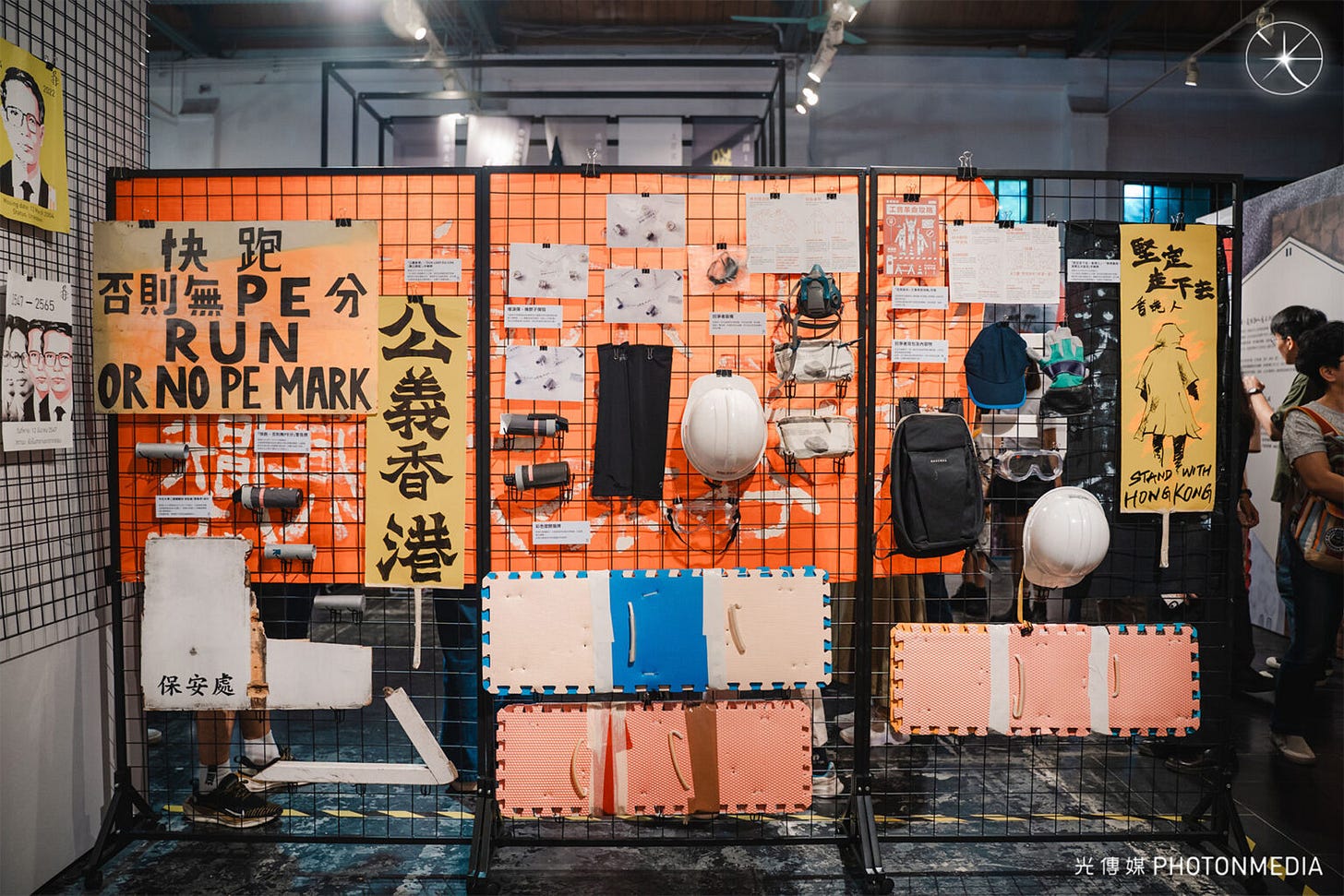
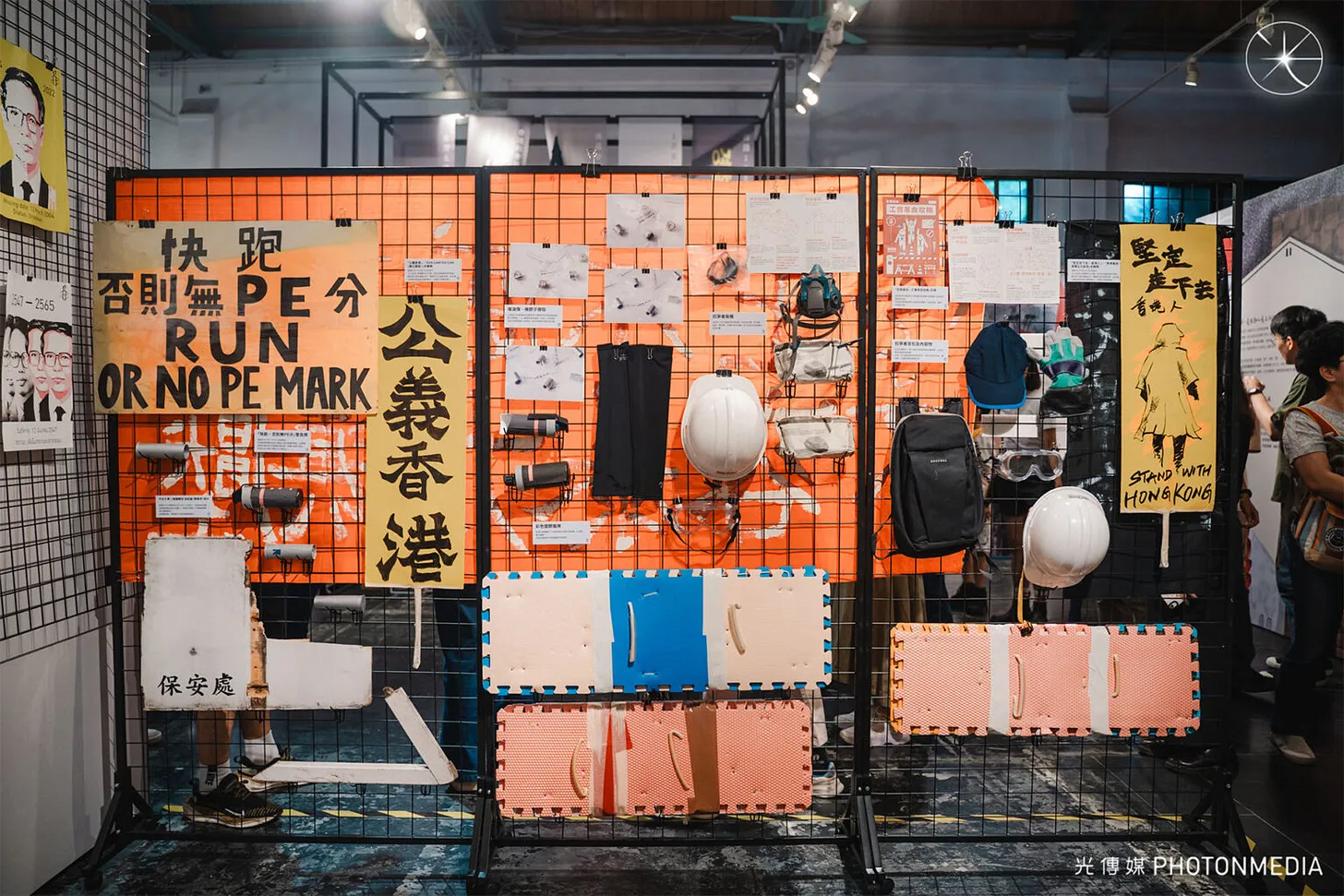
In a citizen effort to preserve several tons of protest memorabilia from Hong Kong covering the period from 2003 to 2019, Hong Kong exiles in Taiwan have established the “Hong Kong Action Archives” (香港行動文獻庫), which will safeguard a wide range of documents and relics — including flags, helmets, and documents from disbanded civic organizations dating back to the 1960s. The executive director of the organization creating the archives, identified in a report by exile outlet Photon Media as “Sam,” described their approach as “archival activism.” “Through these objects, we can reclaim Hong Kong’s history from state narratives,” he said. The group plans to launch an online museum within two years and will hold regular exhibitions, beginning with “Memories Face to Face” (記憶對視) in London next month, while a similar initiative, “Hong Kong Accountability Archive” (香港問責檔案庫), focused on documenting police enforcement videos during the 2019 protests, was also established in April.

The “Hong Kong Action Archives.” SOURCE: Photon Media.

America Unhinged

Talk about selective reporting. While protest activity in China remains largely invisible in domestic media, American demonstrations receive front-page treatment. This narrative, emphasizing the apparent disorder of democratic and populist politics in America, is the message that media consumers across China are presumably meant to take away from the wave of protests happening in cities across the country last week.

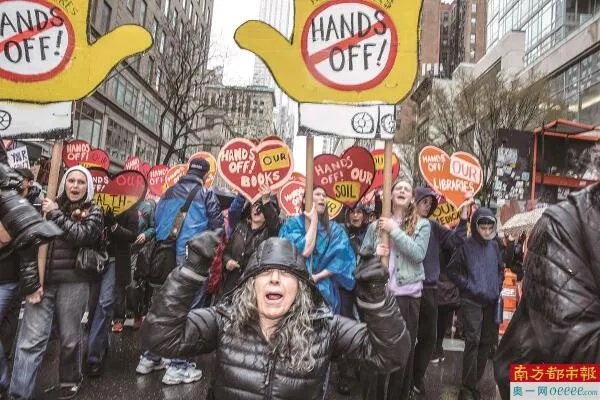
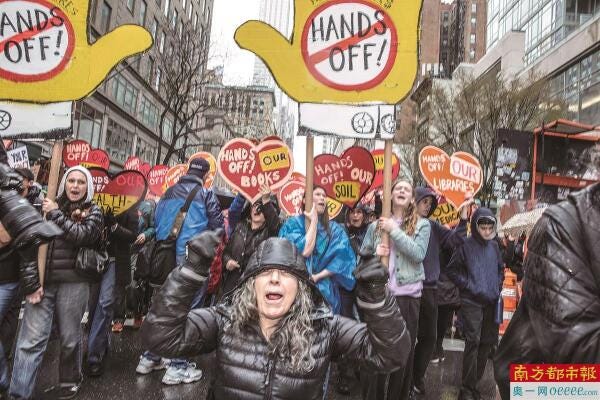
Chinese coverage of American demonstrations was extensive in its reach, though the official Xinhua News Agency and China Central Television served as the sole sources for most reports, with nearly identical phrasing across outlets. Guangzhou’s Southern Metropolis Daily (南方都市報) reported on April 7 that “more than 500,000 people participated in 1,300 protest events across America” against the Trump administration. The article noted that “even ‘red counties’” — those generally supportive of Republican Party candidates and policies — had seen sizable protest crowds waving banners with messages like “King of Corruption” and “Make Lying Wrong Again.” The Paper (澎湃), a Shanghai-based online outlet, published an extensive gallery of photos showing demonstrations across major US cities on April 5, describing the events as “the largest collective protest since Trump took office.”

While providing comprehensive coverage of American unrest, Chinese media outlets remain silent on domestic protests — even in the once relatively free environment of Hong Kong. The city’s police commissioner, Chow Yat-ming (周一鳴) stressed earlier this month when discussing national security that citizens should consider it their “personal duty” to report violations. The contrast could hardly be clearer. American protests merit detailed coverage, while Chinese ones warrant police scrutiny. If only the Trump administration hadn’t frozen funding for one of the only projects actually monitoring dissent in China.