

One of Taiwan’s top television networks unexpectedly laid off 45 employees late last month, including veteran regional reporters and journalists who had won some of Taiwan’s most prestigious journalism awards. The move has sparked fresh concerns about the continued decline of the country’s media sector.
Adding to the alarm was the network’s failure to publicly signal the layoffs, which instead surfaced on social media.
On February 28, veteran media figure Yeh Feng-ta (葉奉達) shared a screenshot of a LINE messaging group on his personal social media accounts, revealing that he had been laid off from his position as TVBS’s Pingtung-based correspondent and would be withdrawing from the Pingtung County Government press group — a LINE channel used by journalists to coordinate coverage with local authorities.
He also disclosed details reportedly from TVBS’s human resources department, stating that the network has suffered severe profit declines for several consecutive years and is projected to post a loss for the first time in its history in 2026. In response to mounting financial pressure, the company launched a layoff plan affecting approximately 45 employees across frontline positions, including photojournalists, regional correspondents, and SNG (satellite news gathering) technical staff. One commenter noted that Taipei’s SNG engineering team had been cut to just eight people — down from 32 at its peak.
The TVBS story has been picked up by several media outlets in Taiwan this week. As of publication, however, the network had not issued any public statement about the decision.
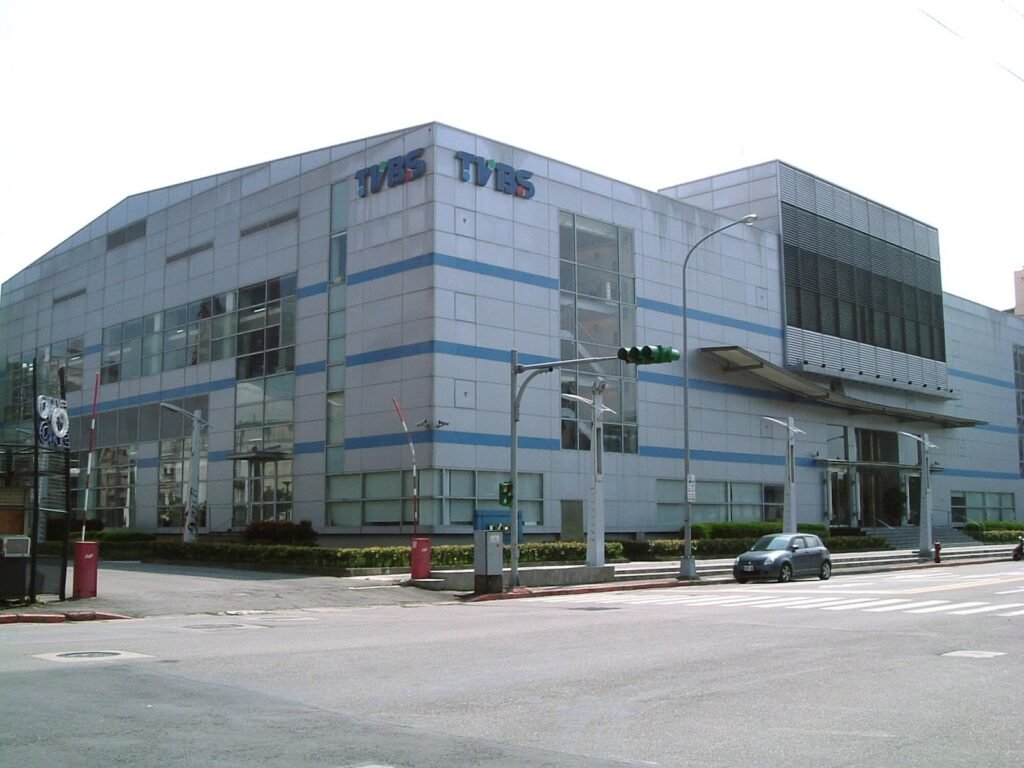
One of Taiwan’s most established television networks, TVBS was the first commercial television station to launch after the lifting of martial law. It currently runs five channels.
For most viewers, TVBS is best known for its news channel, which features not only general news coverage but also influential political talk shows. Its affiliated polling company is also a closely watched source during election seasons. In viewership surveys for Q4 2024 and Q1 2025, TVBS News ranked first among the country’s news channels.
Symptoms of a Deeper Malaise
The TVBS case reflects a broader shift in how Taiwan’s media industry values — and compensates — different kinds of journalism.
Reporting is becoming less valued in Taiwan’s media landscape. Every news outlet now has a web content center, employing large numbers of staff and part-time workers to copy content from social media, redistribute press releases, and repurpose dashcam footage posted by the public. In the current wave of TVBS layoffs, the fact that employees without web center roles were among those let go has itself become a topic of discussion. This phenomenon has been going on for years and has sparked considerable debate. Even journalists who genuinely go out to report in the field are tarred by association — caught in the same sweeping criticism directed at the web editors whose job is to churn out copy lifted from other sources.
Other industry voices lamented that journalism had become a sunset sector, and predicted that the rise of AI would render many media workers jobless. The challenges posed by technology to journalism have become a widespread global phenomenon, and Taiwan has seen a series of such cutbacks — from the closure of the China Times evening edition in 2011 to Sanlih E-Television’s restructuring in 2016 — with industry observers noting a wider wave of consolidation and downsizing in recent years, and rumors of further cutbacks continuing to circulate.
Regardless of the circumstances, a layoff of this scale is far from normal in Taiwan’s media landscape — and for some, it is an ominous sign of colder days ahead.


