
A Second Death for a Student Outlet
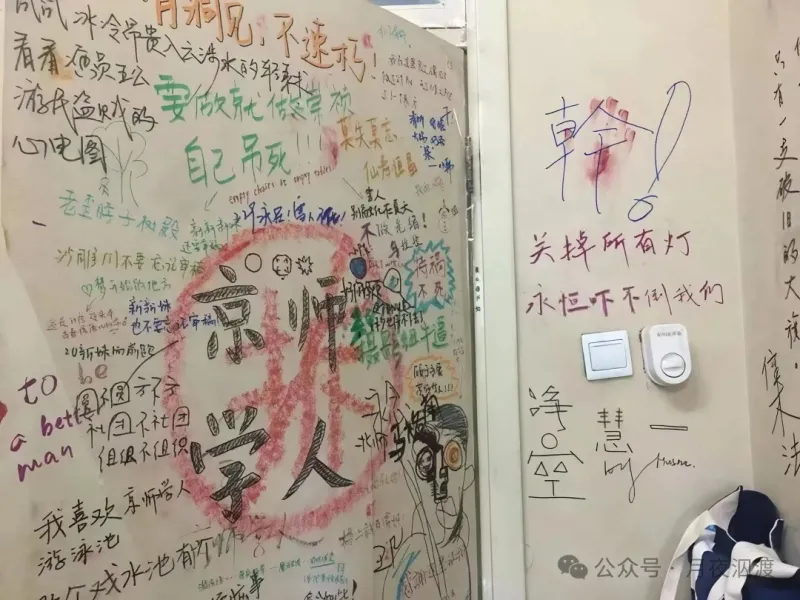
Back in April, we reported at Lingua Sinica that Beijing Normal University had quietly shut down the social media account of a student publication that had been running for two decades — saying it had been “voluntarily closed” (自主注销). In a follow-up report this week, the Chinese-language outlet Voice of the Voiceless (低音), which describes itself as a nonprofit, independent media outlet dedicated to giving voice to overlooked communities and issues, revealed how alumni formerly involved in the account had fought to save it and preserve its archive.
Founded at the university in 2006, Jingshi Scholars (京师学人) had long been pressured by campus controls. In 2017, it was forced to relinquish editorial control. Four years later, in 2021, it lost its office space on campus. According to Voice of the Voiceless, after the account was finally deregistered in early April this year, around 20 university alumni took advantage of WeChat’s 30-day cancellation window to lobby the school and save the account and preserve its posts as a public archive. The university rebuffed these requests, saying that individual PDFs could be made available on request — but emphasizing that the archive could not be shared publicly because certain content was “not suitable” (不适合).
When alumni demanded to know why the account had been deleted, an official from the propaganda office of the university’s Party committee (党委宣传部) responded that the rationale was outlined in an internal document that could not be shared.
Many alumni had tried to mourn the loss of the publication, Voice of the Voiceless reported. “But with the account deleted, there was not even a place to hold a funeral,” it said. Tributes on other WeChat accounts were swiftly removed, one within 20 minutes, according to Voice of the Voiceless.
“All along I knew they wanted to erase our future,” Wu Xiao (吴筱), a former editor-in-chief of the publication who now works as a journalist, told a friend when she learned of the deletion, according to Voice of the Voiceless. “Never did I expect that they would erase our past too.”


